



















































Description

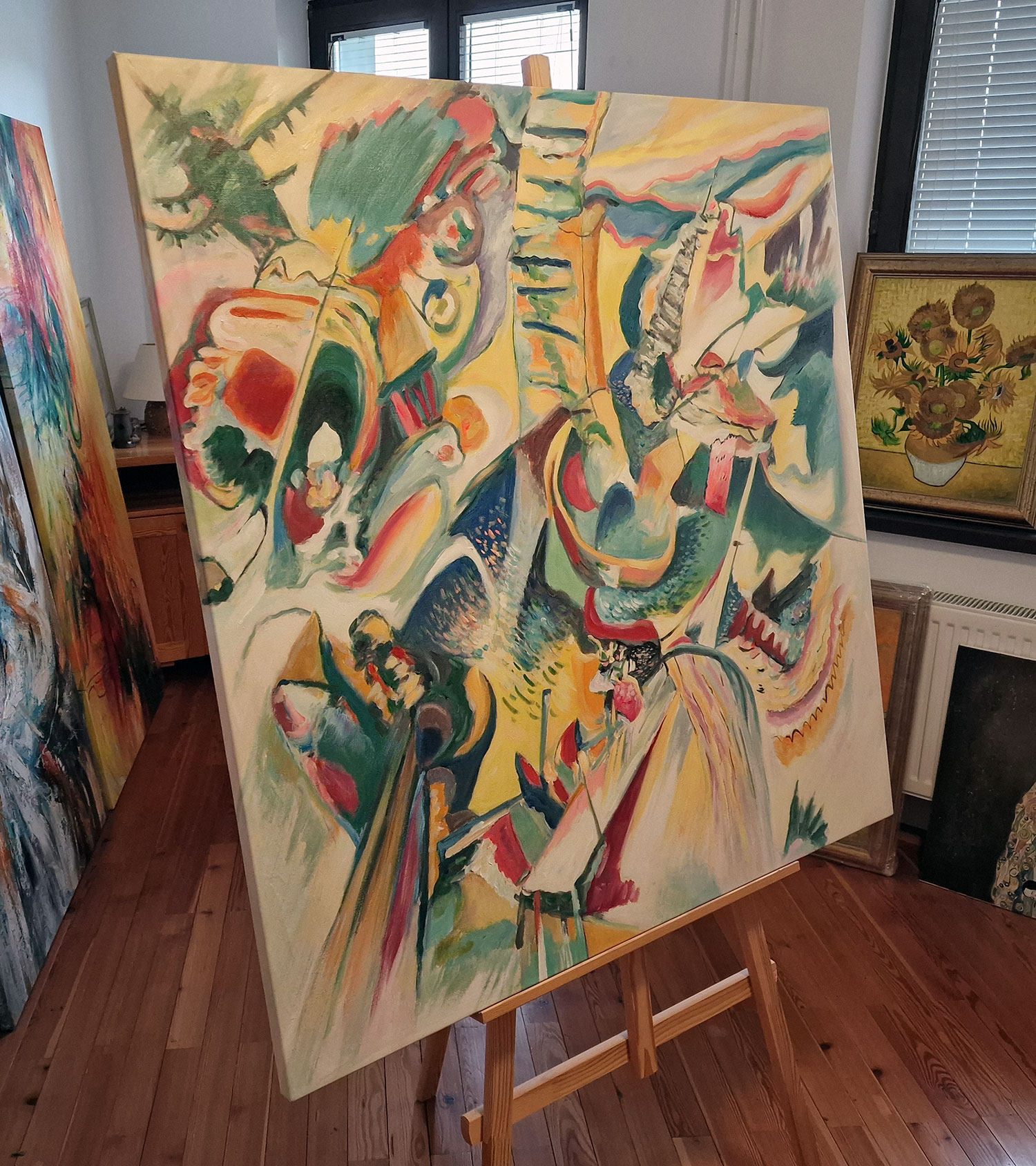


Vasily Kandinsky – Improvisation. Gorge
| Year created: | 1914 |
| Original size: | 110 cm x 110 cm |
| Paint style: | Abstract Art |
| Original technique: | Oil on canvas |
| Located: | National Gallery, Munich |
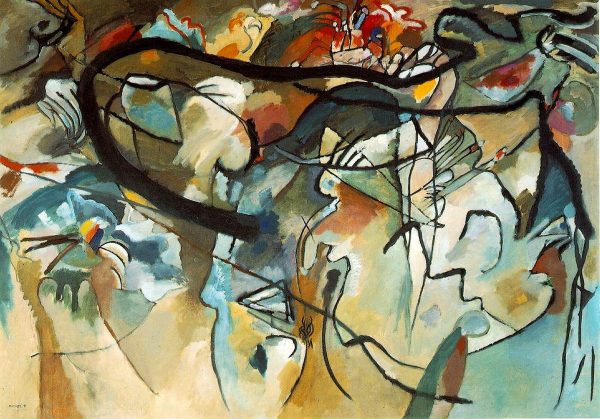
Wassily Kandinsky’s Improvisational Gorge is a stunning abstract painting that showcases the artist’s mastery of form and color. This work, created in 1911, is considered one of Kandinsky’s most important early works and is an excellent example of his experimentation with abstraction.
The painting consists of bold, sweeping brushstrokes in shades of blue and purple that seem to swirl and dance across the canvas. The brush strokes are layered to create a sense of depth and movement, drawing the viewer’s eye into the swirling abyss of the painting.
Kandinsky’s use of color in the painting Improvisation Gorge is particularly notable. Shades of blue and purple are used to create a sense of mystery and otherworldliness, evoking the feeling of looking into the abyss. Together, the colors also create a sense of movement and fluidity, as if the image is full of energy.
The title of the painting, “Improvisation Gorge”, suggests the artist’s improvisational approach to painting. Kandinsky believed that painting should be a spontaneous and intuitive process, and “Improvisation Gorge” is a great example of this approach in practice.
“Improvisational Gorge is considered a masterpiece of abstract art and an important work in the history of modern art. It is currently in the collection of the State Hermitage Museum in St. Petersburg, Russia. Visitors can view the painting there and learn about the artist’s unique vision and technique.
Kandinsky’s “Improvisation Gorge” is a must-see for art lovers and those interested in the development of abstract art. The bold use of colors and shapes and the improvisational approach make this a truly unique and exciting work.