


























































Description
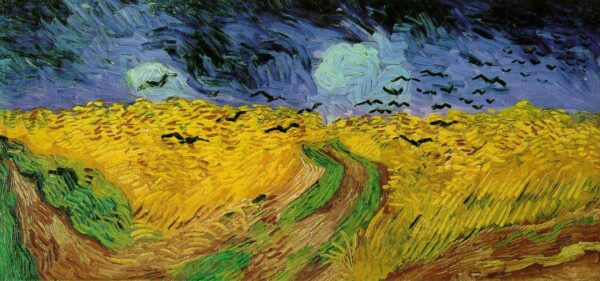
Vincent Van Gogh – Landscape at Twilight
| Year of Creation: | 1890 |
| Original size: | 101 cm x 50 cm |
| Paint style: | Post-Impressionism |
| Original technique: | Oil on canvas |
| Located: | Van Gogh Museum, Netherlands |
Van Gogh painted the painting in the city of Auvers-sur-Oise, where he regained his energy in 1890 and painted in strong bright colors and free descriptive brush strokes.
The mansion in the painting is barely noticeable. Vibrant orange and yellow hues contrasted with dark green shadow colors reveal the temporary effect of sunset.
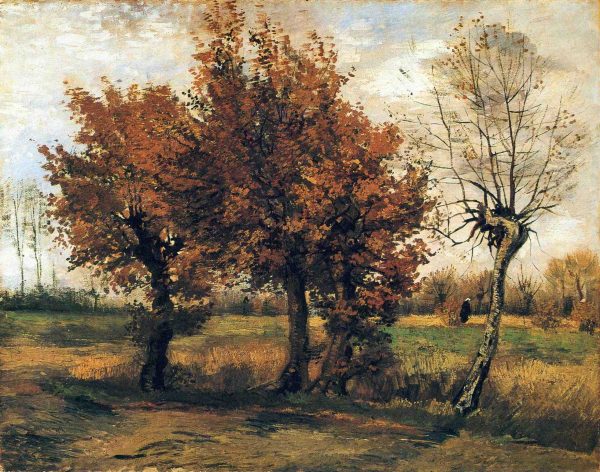
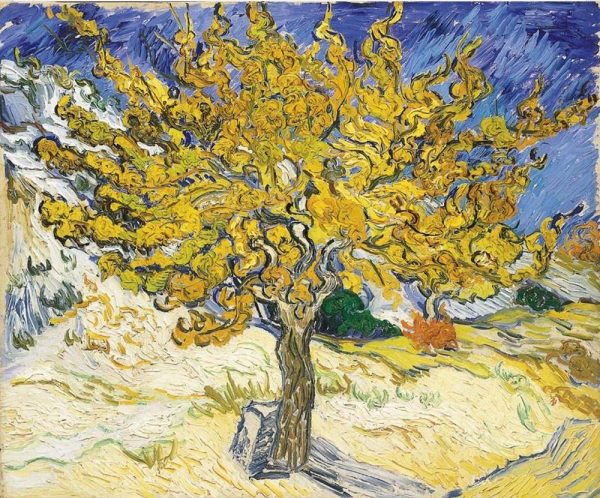
“Twilight Landscape” by Dutch artist Vincent van Gogh from 1889 is a charming and emotional painting that shows the artist’s passion for nature and the passage of time. The painting depicts a landscape bathed in soft twilight light, with tall trees and a winding path that leads the viewer deeper into the scene. The painting is widely recognized for its bold brushstrokes, emotionality and strong symbolism.
“Twilight Landscape” is an excellent example of Van Gogh’s Post-Impressionist style, which was characterized by dense and visible brush strokes, bright colors and bold contrasts. The bold brush strokes and vibrant colors in the painting create a sense of movement and energy, while the soft twilight light creates a sense of peace and tranquility. The winding path and tall trees create a sense of mystery and intrigue.
One of the most striking features of the painting “Twilight Landscape” is the use of color. Van Gogh’s use of bold, contrasting colors creates a sense of movement and energy in the painting, and the soft twilight light is rendered in a multitude of oranges, yellows and purples, creating a sense of depth and dimension. The trees and path are depicted in shades of green and brown, creating a sense of groundedness and stability. The brush strokes are also noticeable, with thick, visible strokes that give the painting a sense of movement and energy.
The symbolism of the painting is also rich. The winding path and tall trees symbolize the idea of the passage of time and the cycle of life. The painting is also considered to show Van Gogh’s emotional state at the time. The painting was created while Van Gogh was living in Saint-Rémy-de-Provence, France, and is believed to reflect the artist’s feelings of longing and connection to nature.
“Twilight Landscape” is considered to be one of Van Gogh’s most iconic and powerful works and is located in the Metropolitan Museum of Art in New York, USA. It is an important work of post-impressionism that is still admired and studied by both amateurs and experts. The powerful imagery, emotionality and rich symbolism make the painting a must for any art lover or anyone interested in the work of Vincent van Gogh.