









































Description
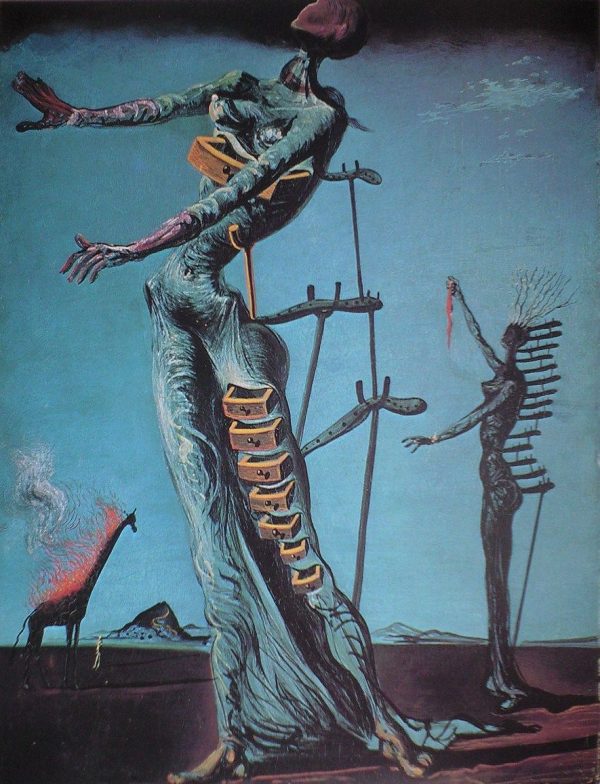
Salvador Dali – The Bleeding Roses
| Year of Creation: | 1930 |
| Original size: | 50 cm x 61 cm |
| Paint style: | Surrealism |
| Original technique: | Oil on canvas |
| Located: | Collección Caixa Galiciaa, La Coruña |
Salvador Dalí’s Bleeding Roses is a striking and surreal work that showcases the artist’s unique style and mastery of technique. The painting shows a field of roses whose petals and stems are soaked in a blood-like liquid. The overall effect is beautiful and exciting and invites the viewer to ponder the meaning behind the image.
Dalí’s use of symbolism and metaphor is characteristic of his work, and “Bleeding Roses” is no exception. Bleeding roses can symbolize the fragility and transience of life, or perhaps be a commentary on the destructive nature of war or social unrest. The fluidity and movement of the blood-like substance also contribute to the dreamlike quality of the work.
The use of color is also noticeable in the Bleeding Rose work, as the vibrant red and pink colors of the roses contrast with the dark background. Dalí’s use of bold and contrasting colors contributes to the striking visual impact of the painting.
“Bleeding Roses” is a perfect example of Dalí’s ability to create works of art that are thought-provoking and memorable. The painting is still a popular work among collectors and art lovers, and can also be found in prestigious museums and galleries around the world. As a true master of the Surrealist movement, Dalí’s works never cease to delight and inspire audiences.