








































































Description
Vasily Kandinsky – All Saints I
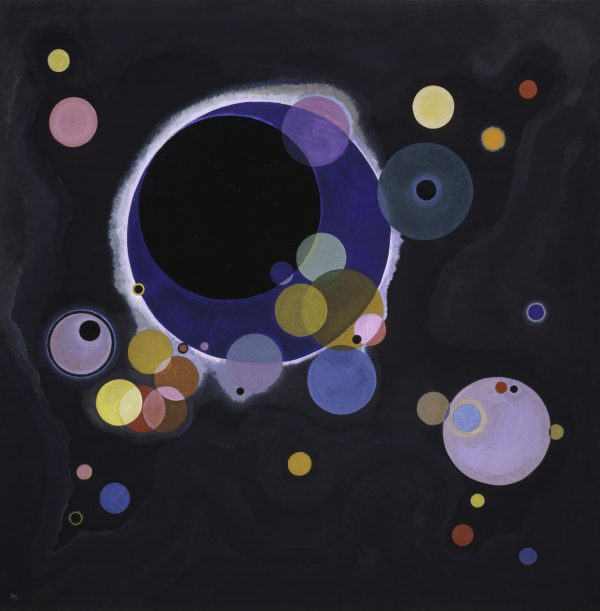
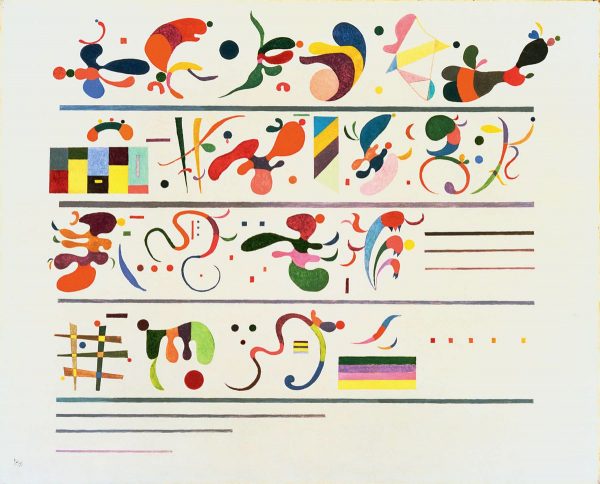
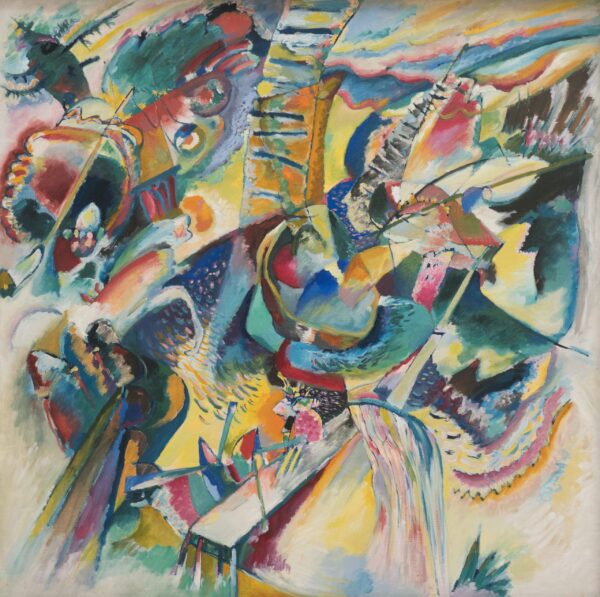
Wassily Kandinsky’s painting “All Saints I” is a striking and powerful painting that shows the artist’s unique style and approach to abstract art. The painting was created in 1913 and is considered one of Kandinsky’s most important works from the period he spent in Munich.
The painting is characterized by a bold and dynamic composition, full of swirling, sinuous lines and shapes. The picture uses mainly black and white colors with only a few color gradients. The black and white colors create a strong contrast that helps emphasize the movement and energy of the image.
Kandinsky was strongly influenced by the spiritual and mystical movements of the time, which is reflected in the abstract, ethereal quality of the painting. The swirling lines and shapes in the painting are meant to evoke feelings of movement and transcendence, and the viewer is invited to lose himself in the hypnotizing and dynamic composition of the painting.
Due to its abstract nature and use of colors and shapes, the painting is an excellent example of Wassily Kandinsky’s work and the school of abstract art to which he belonged.
It is an important work of art that can be found in many museums and galleries around the world, including the Solomon R. Guggenheim Museum in New York and the State Tretyakov Gallery in Moscow.
Overall, “All Saints I” is a powerful and evocative painting that testifies to Wassily Kandinsky’s unique vision and talent. The painting is a must see for any fan of abstract art and anyone interested in the history of art in the 20th century.


![Im Grau (Concert) (Impression III [Konzert]) - Vasilij Kandinski - reproduction of famous painting by famous artist, hand painted painting on canvas, oil painting.](https://svetslik.si/wp-content/uploads/2021/08/image_Im-Grau_680-600x436.jpg)