












Description
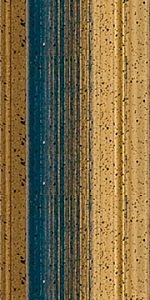
Gustav Klimt – Beethoven frieze-II (detail)
| Year of creation: | 1902 |
| Original size: | 636 cm x 220 cm |
| Paint style: | Secession |
| Original technique: | Oil on canvas |
| Located: | Secession Palace, Vienna |
In 1902, Klimt created one of his most famous works, the Beethoven Frieze, for an exhibition of the Art Nouveau movement in Vienna. The entire exhibition was dedicated to the composer Ludwig van Beethoven, and Klimt’s giant frieze adorned the wall of the entrance hall. This ornamental symphony measured 34 meters in width and 2 meters in height. Klimt wanted to show and immortalize Beethoven’s Ninth Symphony according to Wagner’s interpretation.
“Beethoven Frieze II (detail)”, painted in 1902 by the Austrian artist Gustav Klimt, is considered one of the artist’s most important and ambitious works. The painting is part of a larger cycle of art works known as the Beethoven Frieze, created for the 14th Vienna Art Nouveau Exhibition. The Beethoven frieze was a tribute to the composer Ludwig van Beethoven and depicts scenes from his Ninth Symphony, based on Friedrich Schiller’s “Ode to Joy”.
The painting is an excellent example of Klimt’s Art Nouveau style, which was characterized by the use of ornate patterns, bold colors and sensual subject matter. The figures in the painting are depicted in a highly stylized manner, with elongated limbs and simplified facial features, which gives the painting an unearthly and dreamlike quality.
One of the most striking features of “Beethoven Frieze II (detail)” is the use of bold colors and intricate patterns. The painting is a riot of color, with the figures, background and decorative elements consisting of swirling, interlaced patterns. The use of color and pattern creates a sense of movement and fluidity, which is appropriate for the theme of the painting, the music and the celebration.
The symbolism of the painting is also rich. The figures in the picture are often seen as symbols of humanity, unity and celebration of life. The ornamental elements in the painting could represent the connection between music and nature, as well as the connection between art and life. The background of the picture is also filled with symbols of nature, such as flowers, which also have a deep symbolic meaning in the picture.
Critics received the painting well at its first exhibition and it was considered a masterpiece of Art Nouveau. The Beethoven Frieze was considered Klimt’s most ambitious and important work and is considered one of the most important works of the Viennese Secessionist movement. Unfortunately, the painting was destroyed in 1945 during the bombing of Vienna, but reproductions and photographs from it exist.