





















































Description

Wassily Kandinsky – Im Grau
| Year created: | 1919 |
| Original size: | 176 cm x 129 cm |
| Paint style: | Abstract Art |
| Original technique: | Oil on canvas |
| Located: | Museum of Modern Art Paris |
Wassily Kandinsky was a Russian painter and art theorist who is considered one of the pioneers of abstract art. He is best known for his large-scale abstract compositions, often using bold, vibrant colors. One of his works is “Im Grau” (In Grey), which is not as well known as his other compositions, but is still an important work in his oeuvre.
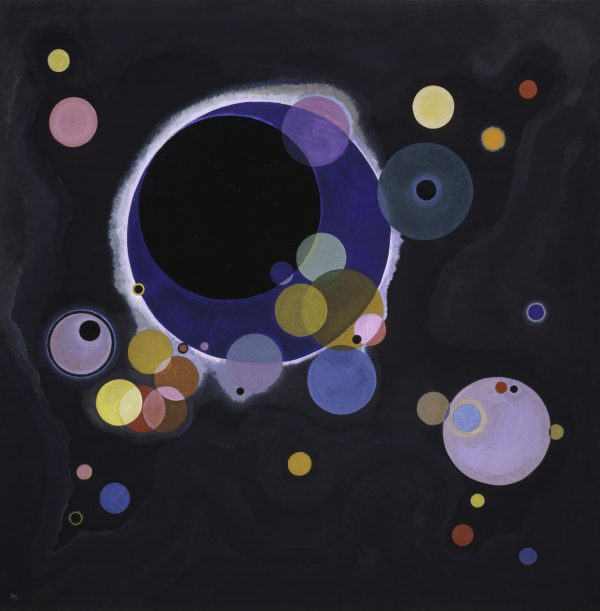
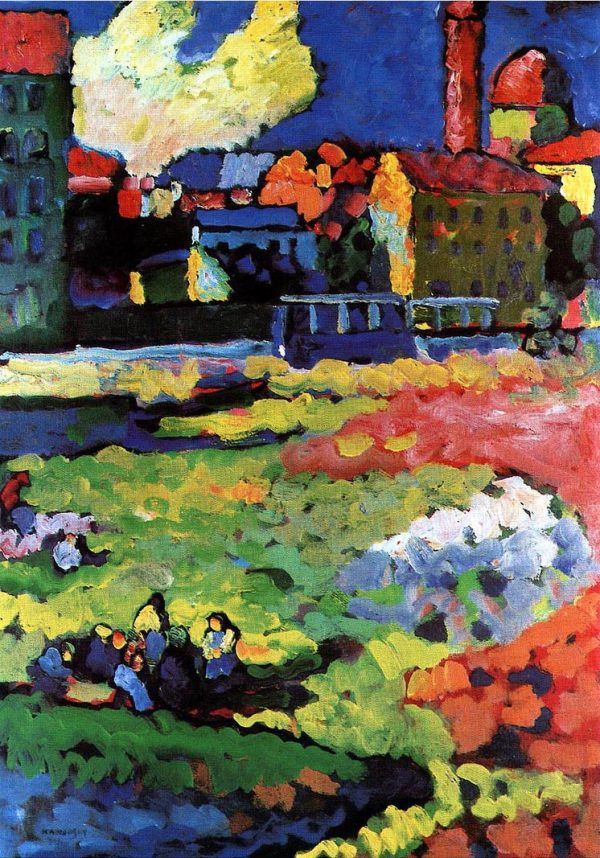
The painting “Im Grau” is a composition of abstract shapes and forms. The image is characterized by the use of grayscale, where different shades and tones of gray are used to create a sense of depth and movement in the image. Shapes and forms are arranged in a dynamic and flowing composition, creating a sense of movement and energy. This painting is considered one of Kandinsky’s most subtle and subdued works, as it departs from his usual use of vibrant colors.
Kandinsky’s works are known for their ability to evoke emotions and feelings through the use of colors and shapes. The painting “Im Grau” is no exception, as the use of different shades and tones of gray creates a sense of depth and movement in the painting. It is a perfect example of Kandinsky’s ability to create powerful compositions without relying on vibrant colors.
The painting “Im Grau” was created in 1911 and is currently in a private collection, and is considered one of the most important works of Kandinsky’s early period. It is still admired by art lovers and critics alike and is considered an important work in his oeuvre.
Finally, let us say that “Im Grau” is a painting by Wassily Kandinsky, a Russian painter and art theorist who is considered one of the pioneers of abstract art. It is not as well known as his other compositions, but it is still an important work in his oeuvre. The image is characterized by the use of grayscale, where different shades and tones of gray are used to create a sense of depth and movement in the image. The painting is an excellent example of Kandinsky’s ability to create powerful compositions without relying on vibrant colors; it is still admired by art lovers and critics alike and is considered an important work in his oeuvre.