




Claude Monet
Claude Monet mainly painted “en plein air” (ie outside, on the beaches of Normandy and along the banks of the Seine). With his easygoing lifestyle, he knew how to hit the colors and show the play of shadows and light that changed while he painted. Colors were his greatest obsession, joy and despair. He was able to paint the same picture at the same time and only under certain weather conditions so that the continuation of the work would be as similar as possible to the beginning, because in different environmental conditions the colors also change. He was looking for new ways of painting, and his strokes are short and relaxed.
Claude Monet visited an exhibition of William Turner’s paintings in London in 1871. The dark color tones of the Englishman greatly surprised him. He began to paint a series of paintings with similar motifs, but at different times of the day.
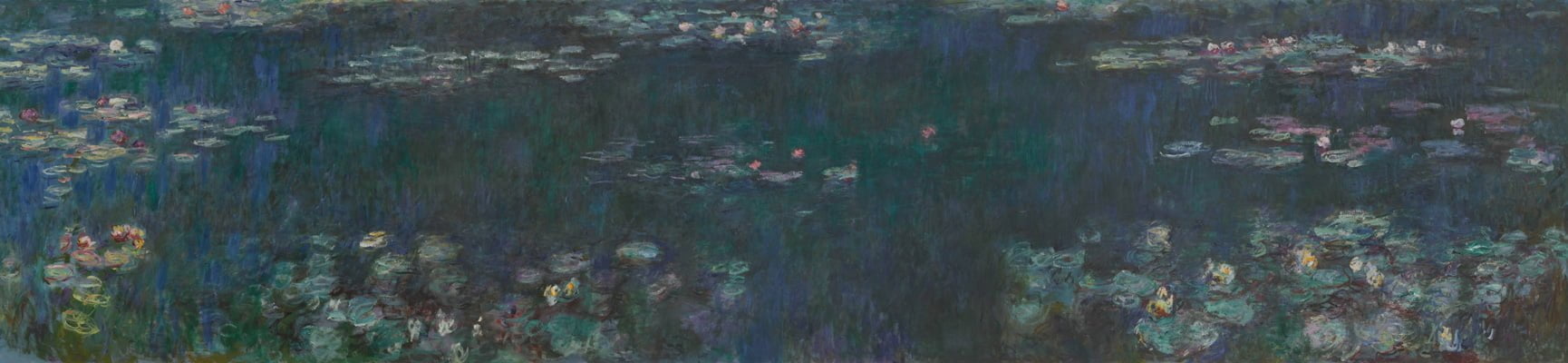
In the first years of the 20th century, he devoted himself especially to the symbols of London (Parliament, Waterloo Bridge and Charing Cross Bridge in the fog). He also painted nymphs in his garden, but because he needed more space for painting, he painted on ever-larger canvases, so that the viewer also gained a larger angle of view.
Towards the end of his life, Claude Monet did not approach abstraction (only) because of a conscious search for a different style, but he had cataracts – he really saw his famous lilies so blurred. On the other hand, it is true that after the operation Monet did not abandon his “new” style – so part of his oeuvre cannot simply be attributed to illness. He was diagnosed in 1912, but he did not undergo surgery until 1923.