













































Description
Wassily Kandinsky – Black Grid (Schwarzer Raster)
| Year created: | 1922 |
| Original size: | 106 cm x 96 cm |
| Paint style: | Abstract Art |
| Original technique: | Oil on canvas |
| Located: | Museum of Modern Art Paris |
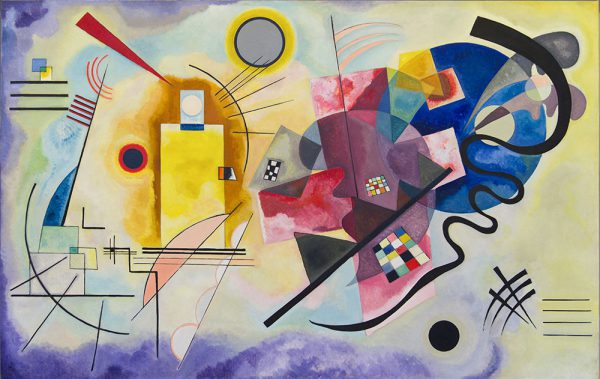
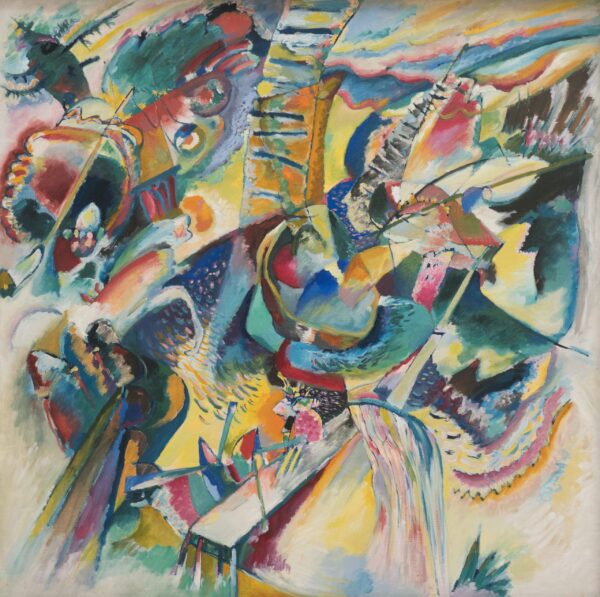
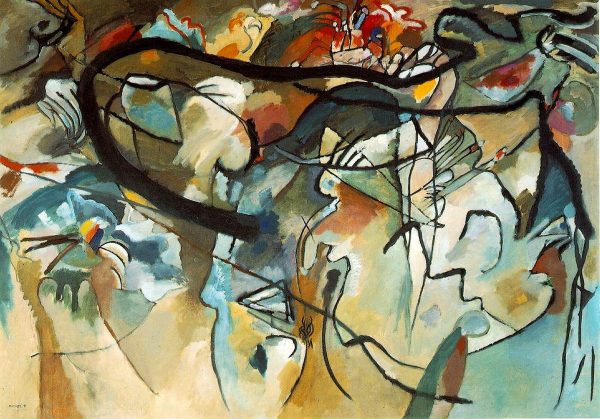
Wassily Kandinsky’s Black Grid is a striking and bold work of abstract art that showcases the artist’s unique style and innovative use of color and form. Created in 1913, the painting is considered a masterpiece of Kandinsky’s early period, and is distinguished by its bold use of black and white and dynamic composition.
One of the key features of the painting “Black Grid” is the striking use of black and white, which create a strong contrast that immediately catches the viewer’s eye. The image is divided into a series of intersecting lines and shapes, with the black lines creating a sense of movement and energy, while the white background gives a sense of calm and balance.
Kandinsky’s use of color and form in this painting is also noteworthy as he uses a variety of shapes including circles, squares and triangles to create a sense of movement and fluidity. The composition is also balanced, as the black lines and shapes are arranged to create a sense of harmony and balance.
Another important aspect of the black network is its connection to the wider artistic movements of the time. The painting is considered a key work of the expressionist movement, which sought to express emotions and feelings through art. The use of bold colors and dynamic shapes in this painting recalls the core values of this movement, which sought to capture the raw, emotional power of human experience.
Overall, “The Black Grid” is a powerful and striking painting that showcases Wassily Kandinsky’s unique style and talent. The painting remains an important work of modern art and continues to inspire admiration for its bold use of color and form and its connection to the Expressionist movement. The painting is considered one of the most important works of Kandinsky’s early period and is a must-see for art lovers and anyone interested in the history of modern art.