



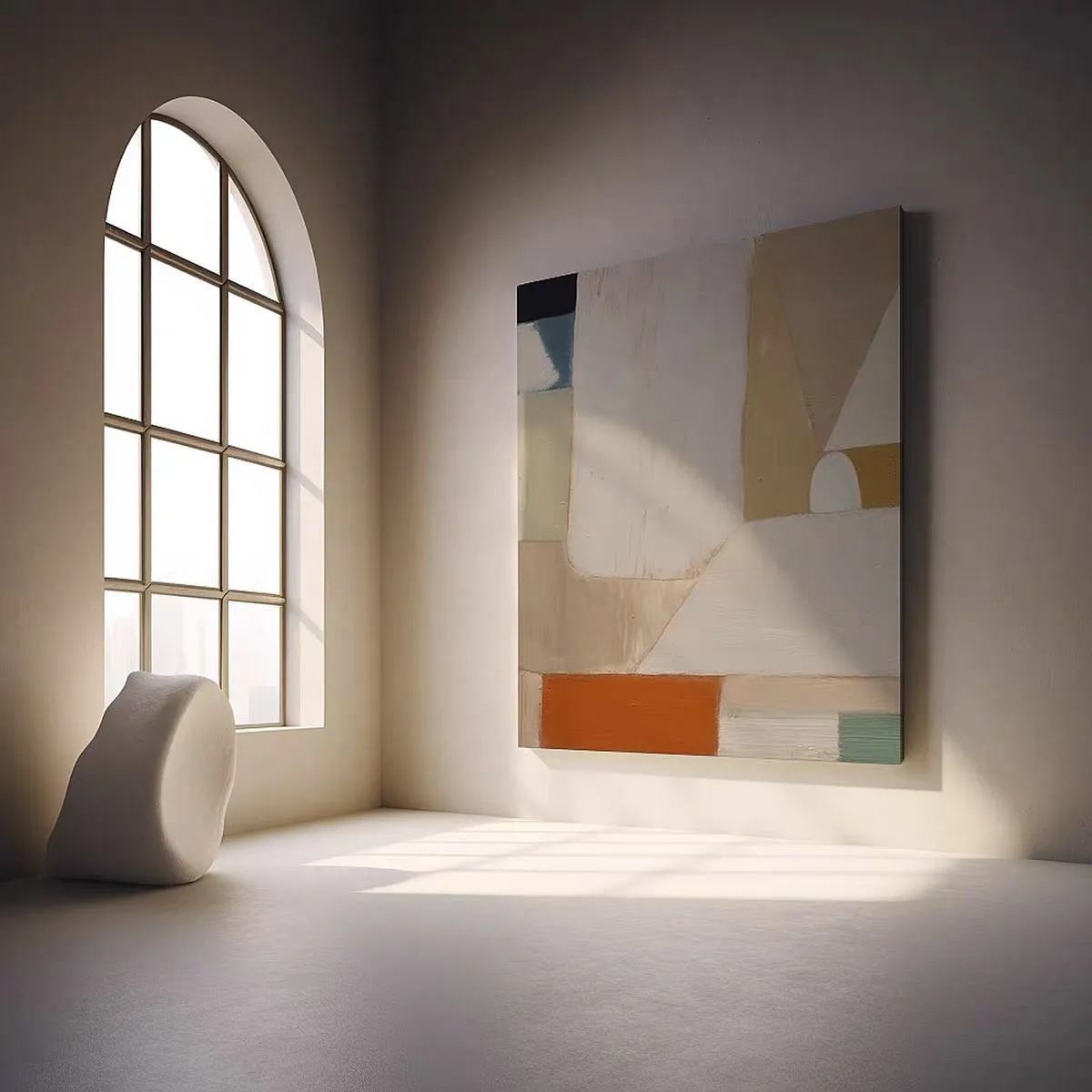
Avoid these common mistakes: Paintings hanging mistakes
Paintings can change the ambiance of any room, add personality, color and style. However, placing artwork requires careful consideration to truly enhance the aesthetics of a space. While choosing the right painting is important, equally important is where to hang it. In this article, we’ll explore the different places you should avoid hanging your paintings to ensure they’re displayed in the best possible light.
Direct sunlight
Sunlight can damage paintings over time, causing colors to fade and delicate materials to deteriorate. Avoid hanging your artwork in places where it will be exposed to direct sunlight, such as right next to windows or glass doors. If you plan to display the painting in a sunny area, consider using UV protective glass or acrylic to protect the artwork from harmful rays.
Wet areas
Moisture is another enemy of artwork, as it can cause mold, warping and other forms of deterioration. Avoid hanging paintings in areas with high levels of humidity, such as bathrooms, kitchens or basements. Instead, opt for areas with consistent humidity and temperature to ensure the longevity of your artwork.
Above heat sources
Art and heat sources such as radiators, fireplaces or stoves do not go well together. Excessive heat can cause deformation of the canvas, cracking of the paint and weakening of the entire structure. Keep a safe distance between your painting and any heat sources to preserve their integrity.
Traffic corridors and doors
Placing painting in high-traffic areas, such as narrow hallways or busy doorways, can cause accidental damage. People passing by can accidentally bump into or touch the artwork, increasing the risk of scratches, dents or even falls. If you want to display art in such areas, place it higher on the wall to reduce the chance of accidental touching.
Unordered walls
While it’s tempting to fill every inch of available wall space with artwork, overloading a wall with too many paintings can create visual chaos and detract from the focus of individual pieces. Give your painting some space to stand out and be appreciated. Consider leaving some white space around each piece to give it the attention it deserves.
Eye level for giants
Hanging artwork at eye level is a general rule of thumb, but remember that eye height can vary depending on the height of the viewers. Avoid hanging paintings too high, as they are difficult to assess without straining your neck. Similarly, if you place them too low, you may miss or accidentally touch them.
Damp or unstable walls
Before hanging any painting, consider the stability and condition of the wall itself. Avoid damp walls, as moisture can penetrate the artwork and damage it. Additionally, avoid walls that are structurally unstable or prone to vibration, such as those near heavy machinery or construction sites.
The placement of paintings in your living space plays an important role in how they are perceived and how well they stand the test of time. By avoiding the locations mentioned above, you can ensure that your artwork will remain in excellent condition and attract viewers for years to come. Remember that proper care and diligence in displaying your paintings can greatly enhance their visual impact and preserve their beauty for generations.