



Art has the extraordinary ability to transcend time, culture and language and leave an indelible mark on the collective consciousness of humanity. In this vast field of artistic expression, certain masterpieces stand out for their historical significance, cultural impact and ability to captivate generations. In this article, we delve into the 15 most famous paintings in the world, each of which is a testament to the power of creativity and imagination.
Every painting on this list can also hang in your home: we reproduce them as hand-painted copies on canvas, in oil or acrylic depending on the work, made to order in the size you choose. Under each painting you will find a link to its reproduction in our shop, and all reproductions of famous paintings are gathered in one gallery.
Mona Lisa by Leonardo da Vinci
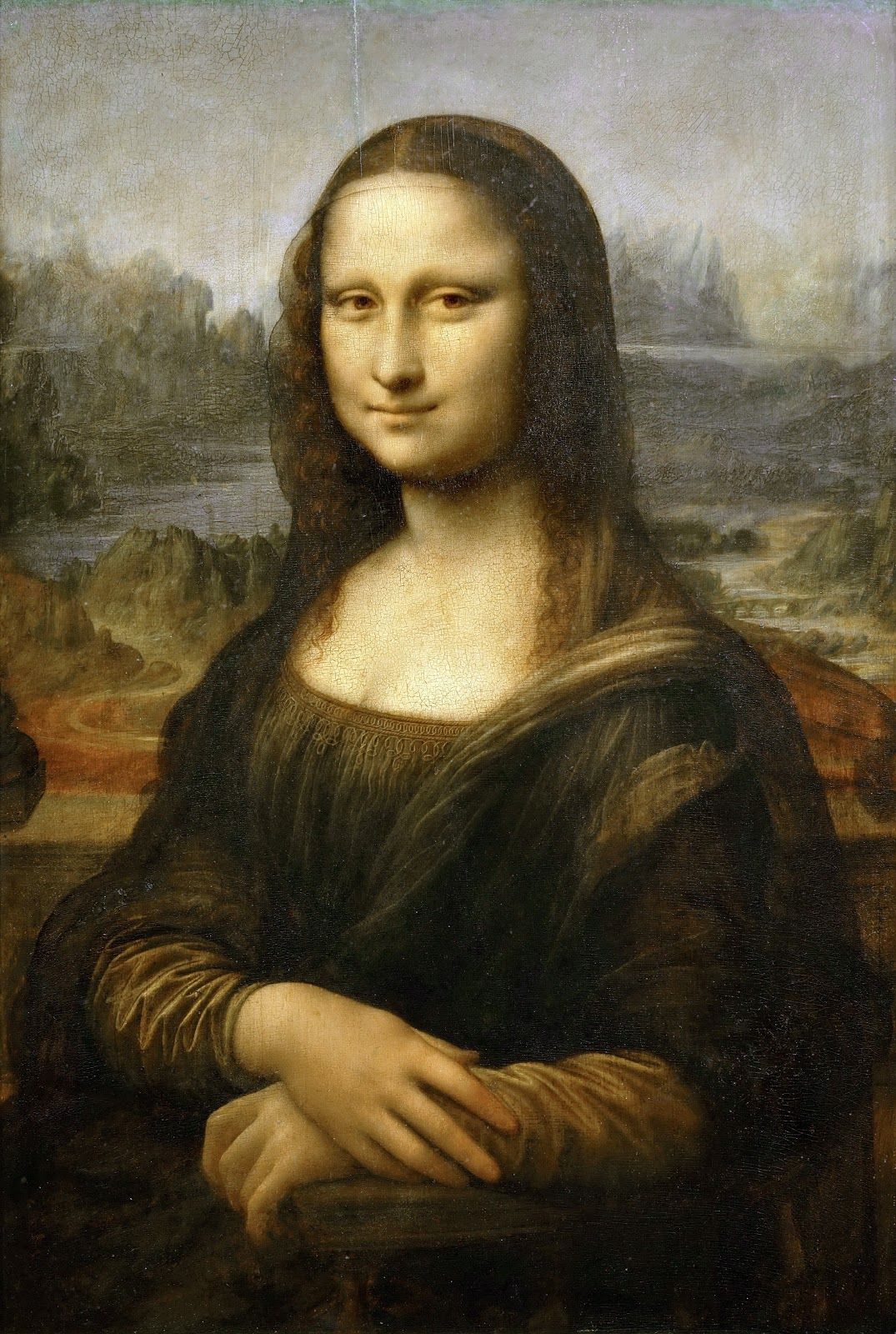
The mysterious smile of Mona Lisa has fascinated art enthusiasts and historians for centuries . Painted by Italian Renaissance genius Leonardo da Vinci, this iconic portrait is said to depict Lisa Gherardini, a woman from Florence. The subtle nuances of her expression, the precise use of sfumato (mixing of colors and tones), and the intricate details of her dress and background add to the appeal of the painting. Leonardo’s life and work are covered in our biography of Leonardo da Vinci.
The fame of Mone Lisa is also attributed to its history, including theft from the Louvre in 1911 and its return in 1913. The image of the painting was repeated, parodied and referenced in countless forms of media, cementing its status as a universal symbol of artistic brilliance.
You will find the hand-painted reproduction of the Mona Lisa among the works of Leonardo.
Hand-painted reproduction: Leonardo da Vinci – Mona Lisa
Starry Night by Vincent van Gogh
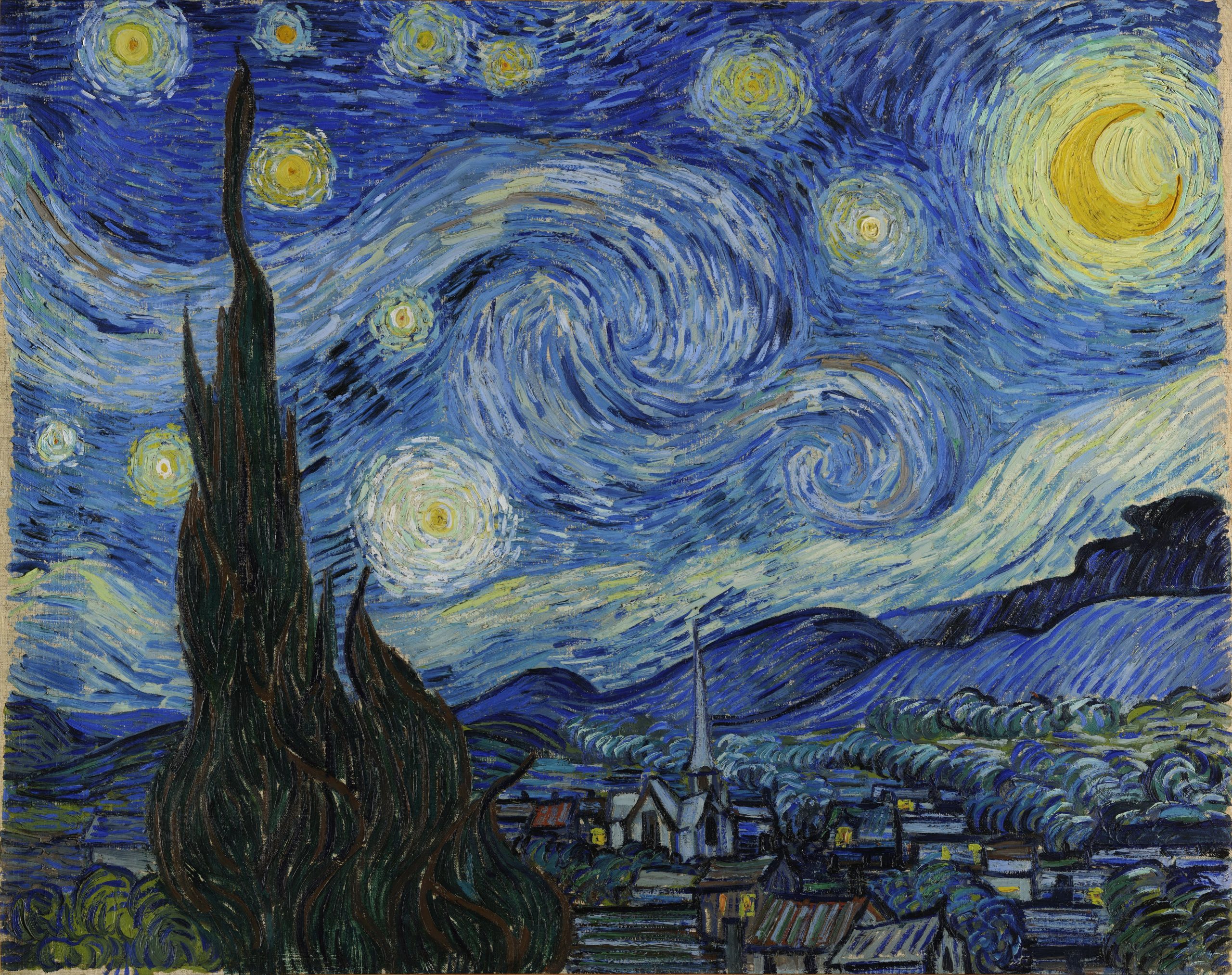
Starry Night by Vincent van Gogh is the embodiment of the artist’s emotional turbulence and his unique interpretations of the world. Painted while he was in an asylum in Saint-Rémy-de-Provence, France, the swirling brush strokes and vibrant colors in the night sky and village below create a sense of movement and depth.
Starry Night is not only appreciated for its charming aesthetics, but also because of its ability to evoke a multitude of emotions and interpretations. The painting’s influence can be seen in modern art and popular culture, cementing its place as a masterpiece that bridges the gap between artistic expression and human experience.
Note: this is the Starry Night from MoMA in New York – a different painting from Starry Night over the Rhône, painted a year earlier on the bank of the Rhône at Arles.
Hand-painted reproduction: Vincent van Gogh – The Starry Night
The Persistence of Memory by Salvador Dalí
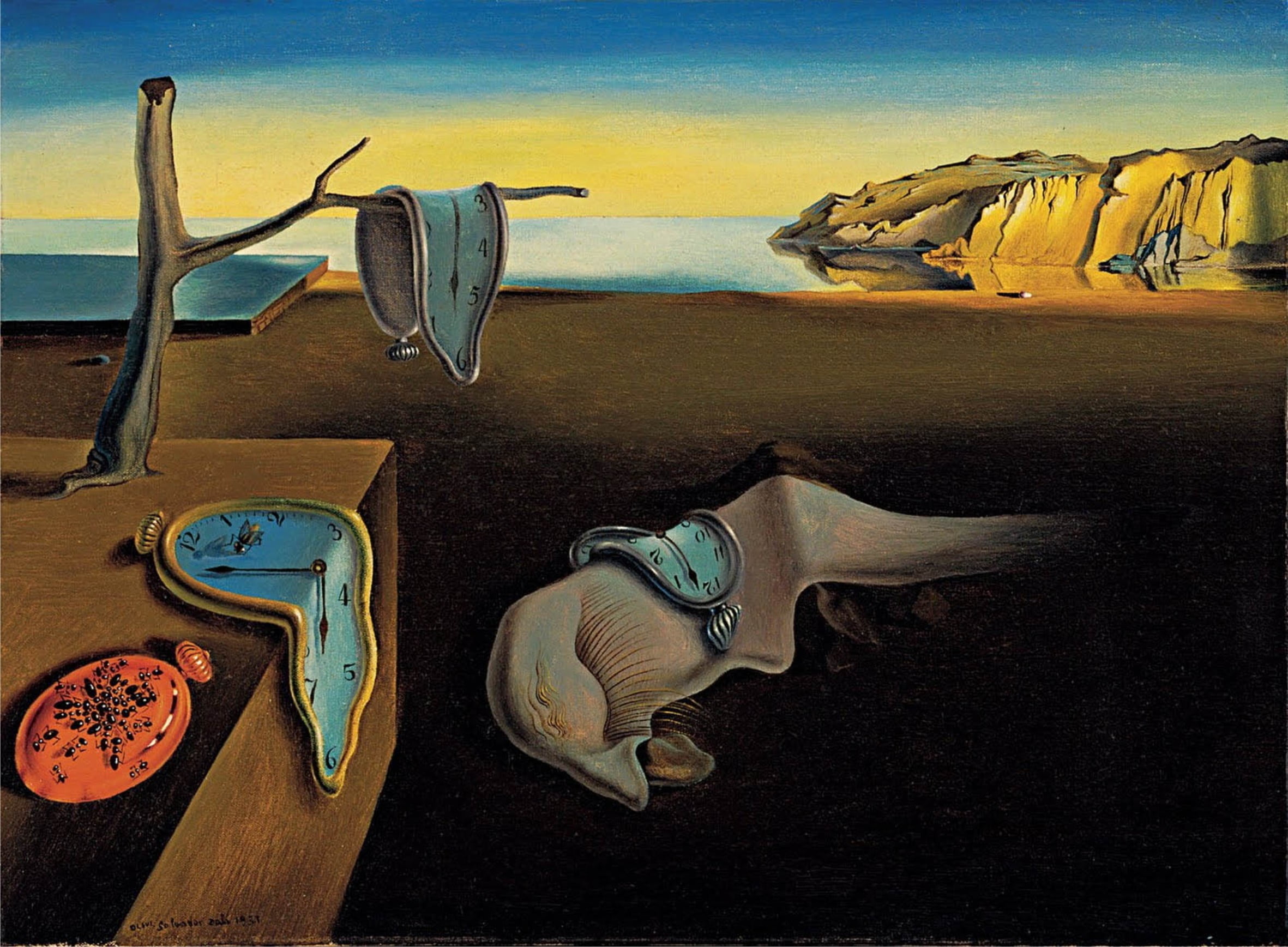
Persistence of Memory by Salvador Dalí is a surrealist masterpiece that challenges the perception of reality and time. The melting clocks in the painting, covered with various objects, create a dreamlike and exciting atmosphere. Dalí’s meticulous attention to detail and precise rendering of surrealist elements make this work visually captivating and intellectually stimulating.
The Persistence of Memory, which symbolizes the fluidity of time and distortions of the subconscious, captures the essence of the Surrealist movement. Its influence on art and popular culture cemented its status as a representation of the limitless nature of the imagination.
The story of the painting is in our article on The Persistence of Memory, and the painter’s life in the biography of Salvador Dalí.
Hand-painted reproduction: Salvador Dalí – The Persistence of Memory
The Scream by Edvard Munch (1893)
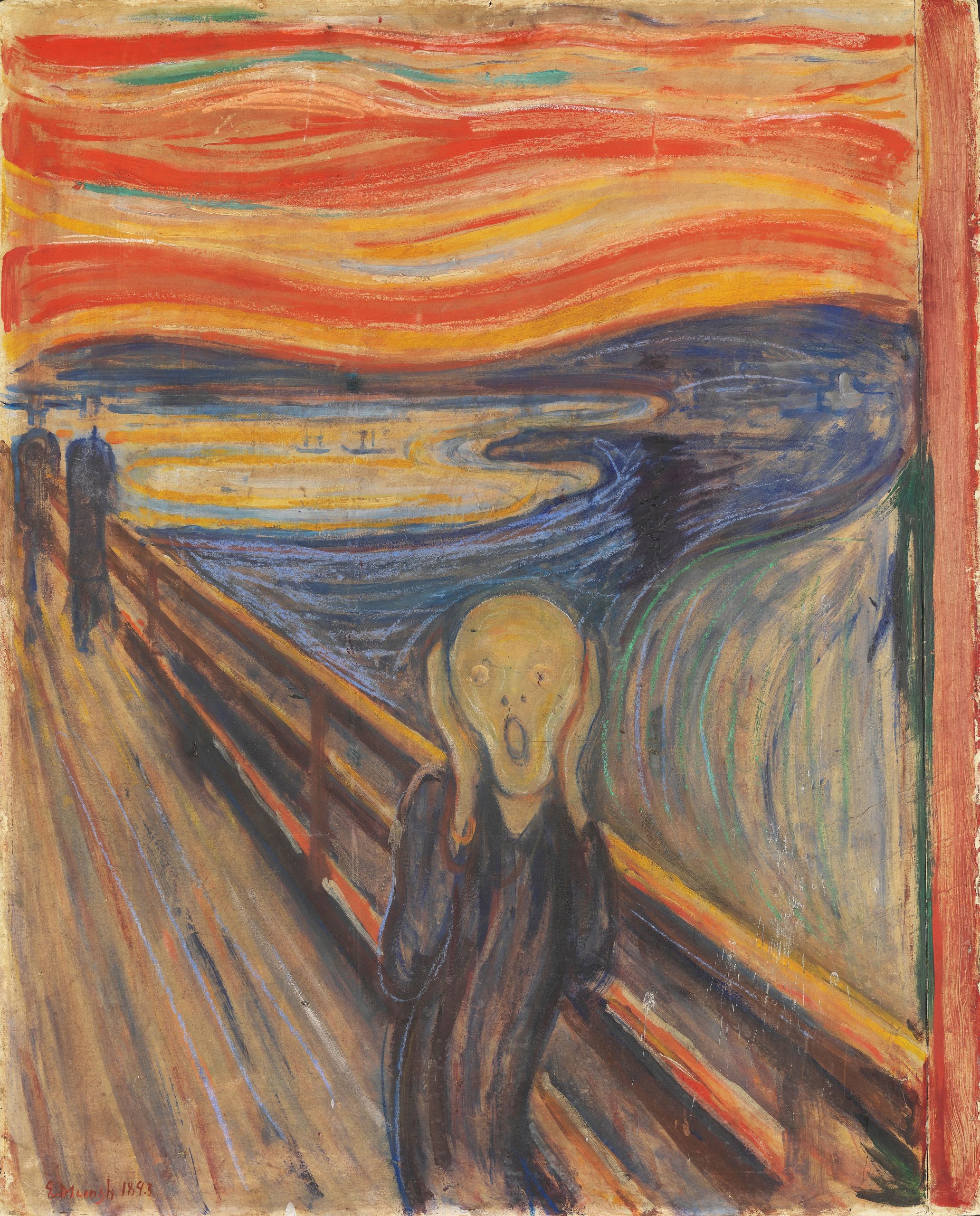
The Scream by Edvard Munch is the embodiment of existential anxiety and inner turmoil. The painting depicts a figure on a bridge against a blood-red sky and captures a moment of intense emotional distress. The distorted landscape and open-mouthed expression of the figure have become iconic representations of contemporary anxiety and the human condition.
The influence of The Scream on art and culture is extraordinary, as it is often mentioned, parodies and interprets. His ability to convey deep emotions and exploration of the human psyche have earned him a place among the most famous and terrifying images in the history of art.
Read more about the painting in our article on The Scream, and about the painter in the biography of Edvard Munch.
Hand-painted reproduction: Edvard Munch – The Scream
Guernica Pablo Picasso

Guernica Pablo Picasso is a monumental anti-war statement that perpetuates the horrors of the Spanish Civil War. Depicting the devastation of the German and Italian bombing of the city of Guernica during the conflict, the stark black, white and gray palette heightens the sense of tragedy and chaos.
Guernica is a symbol of protest against violence and a call for peace. His emotional intensity and powerful images cemented his position as a profound artistic commentary on the atrocities of war and the resilience of the human spirit.
We describe the painter’s life in the biography of Pablo Picasso.
The world’s most famous paintings are more than just visual creations; they are windows into the human experience, containers of emotions and reflections of the artist’s thoughts. Mona Lisa, Starry Night, The Persistence of Memory, The Scream and Guernic a>a continue to inspire, provoke thought and spark conversation around the world. As these masterpieces endure over time, they remind us of the enduring power of art to bridge gaps, transcend borders, and connect us all through shared experiences.
Hand-painted reproduction: Pablo Picasso – Guernica
The Kiss – Gustav Klimt

The peak of the Viennese golden period: an embracing couple in golden robes, painted in oil with real gold leaf. Since 1908 the original has hung at the Belvedere in Vienna and has never left Austria. The story is in our article on The Kiss, and the hand-painted reproduction is among the works of Klimt.
Hand-painted reproduction: Gustav Klimt – The Kiss
Sunflowers – Vincent van Gogh

The series of still lifes that became a synonym for Van Gogh: yellow on yellow, painted in Arles for Gauguin’s arrival. The versions hang in London, Amsterdam and Munich. The reproduction is among the works of Van Gogh, and there is more about the painter in the biography.
Hand-painted reproduction: Vincent van Gogh – Sunflowers (Amsterdam Version)
Water Lilies – Claude Monet
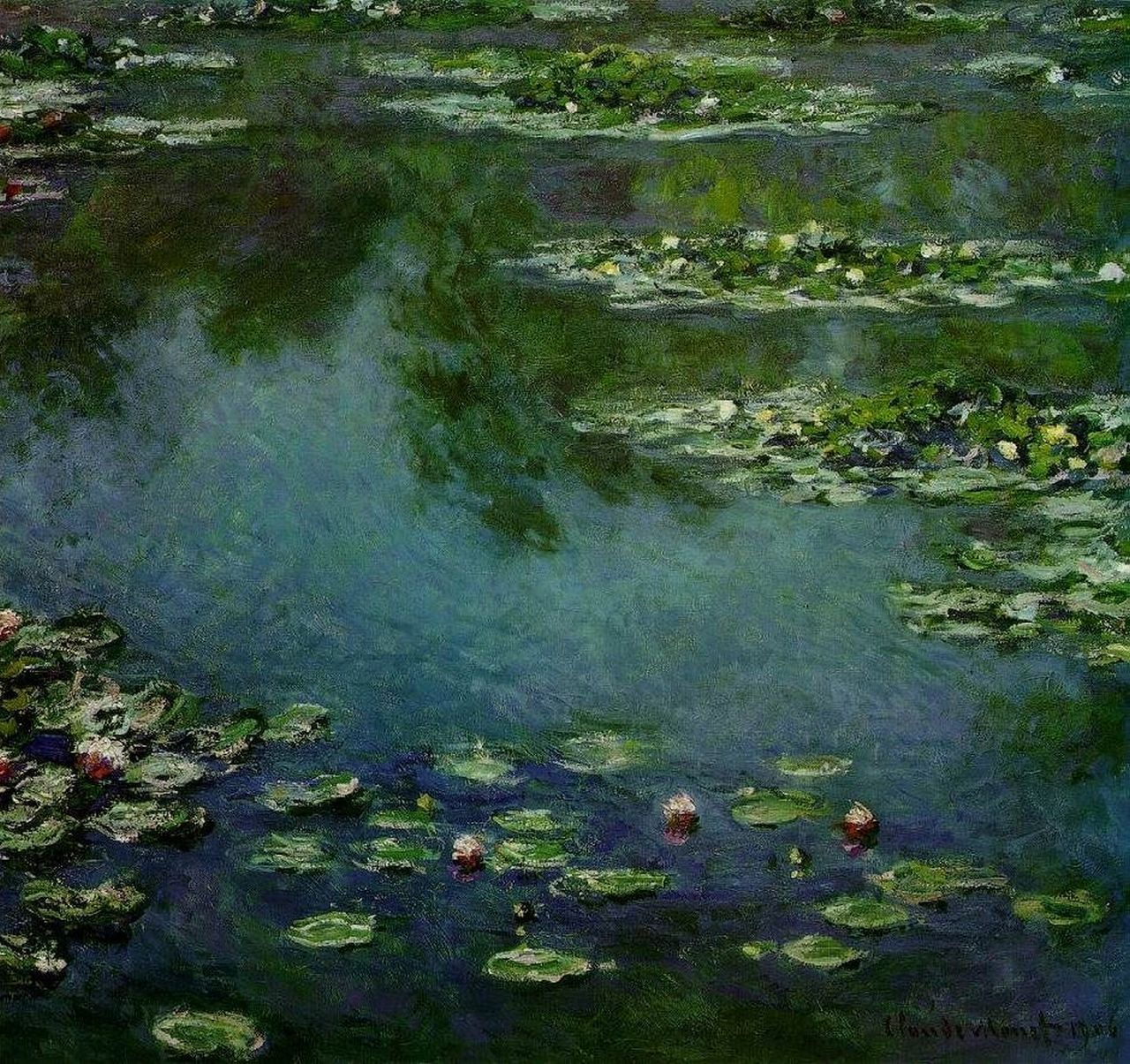
Monet’s garden at Giverny, painted more than two hundred times: the surface of the water, the reflections and light without a horizon. The panoramic canvases surround the visitor at the Orangerie in Paris. The reproductions are among the works of Monet. The painter’s path is described in our biography of Claude Monet.
Hand-painted reproduction: Claude Monet – Water Lilies
The Last Supper – Leonardo da Vinci
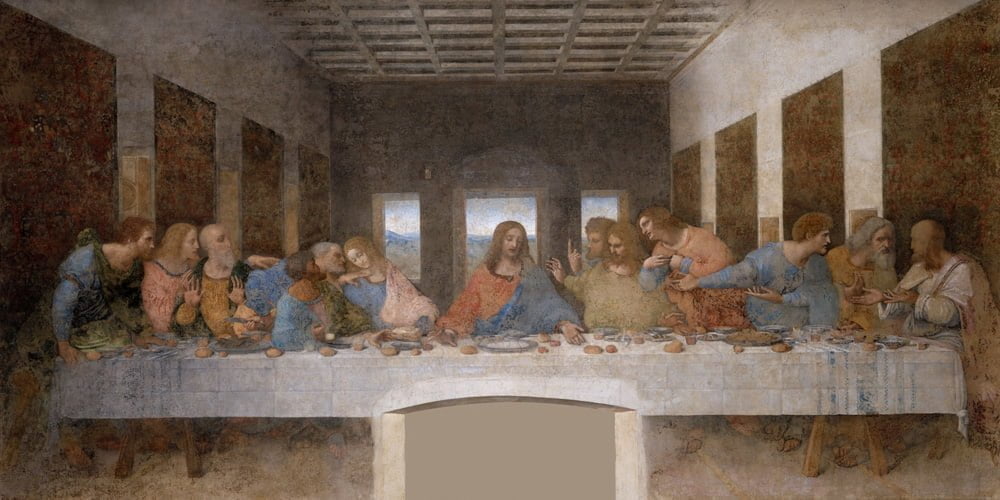
The mural in the Milanese convent of Santa Maria delle Grazie: the moment Christ announces the betrayal, caught in the geometry of glances and gestures. One of the most analysed works in the history of art. The reproduction is among the works of Leonardo.
Hand-painted reproduction: Leonardo da Vinci – The Last Supper
Starry Night over the Rhône – Vincent van Gogh

The lesser known but no less magical sister of the famous Starry Night: a real night scene on the bank of the Rhône at Arles, with gas lamps mirrored in the water. Note – this is a different painting from the Starry Night at MoMA; we explain the difference in our article on Starry Night over the Rhône.
Hand-painted reproduction: Vincent van Gogh – Starry Night over the Rhône
The Birth of Venus – Sandro Botticelli
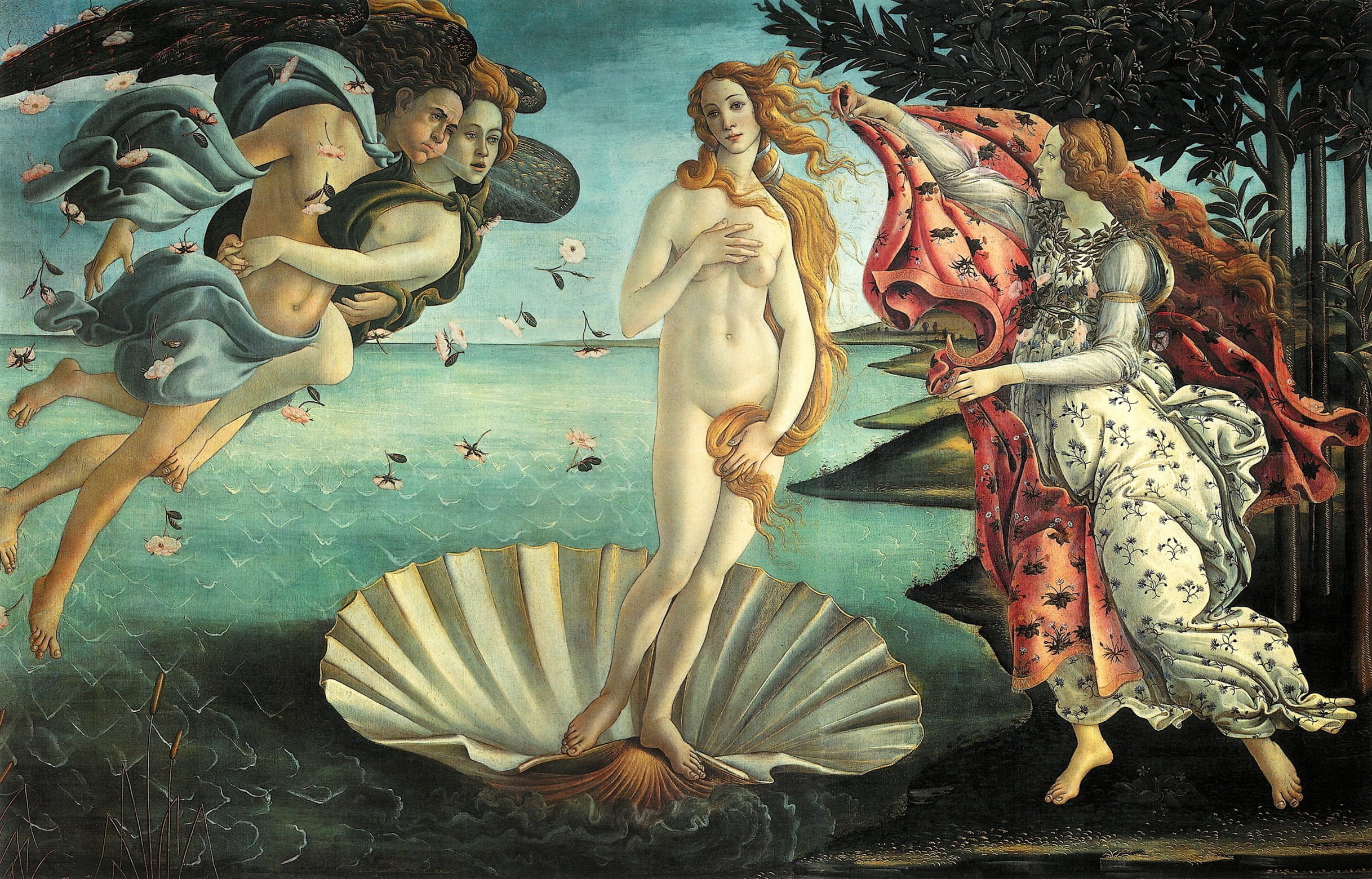
The Renaissance goddess on a shell, born from the sea foam – an icon of the Uffizi in Florence and one of the most reproduced images in history. The hand-painted reproduction is in our offer.
Hand-painted reproduction: Sandro Botticelli – The Birth of Venus
The Tree of Life – Gustav Klimt
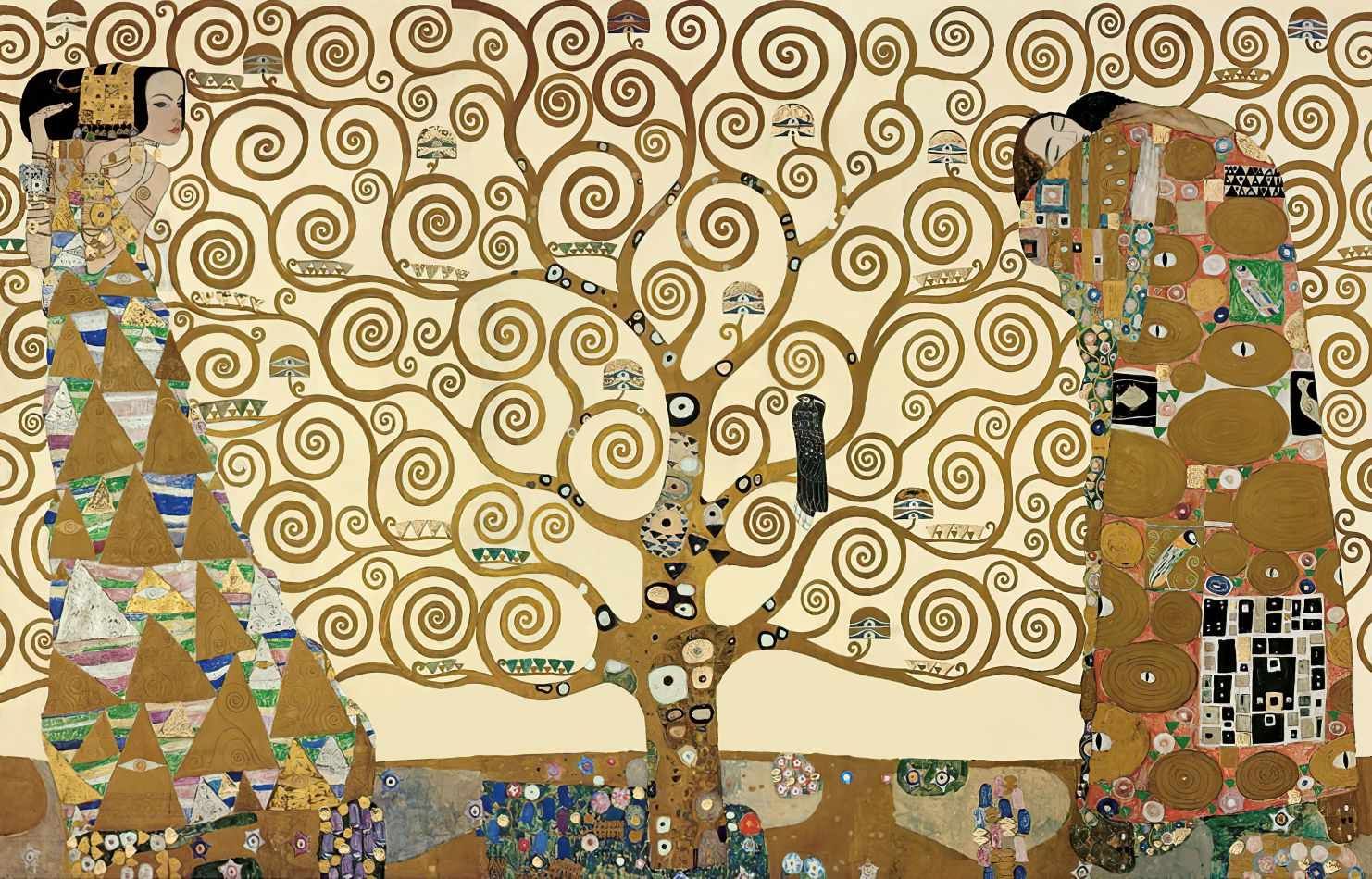
Spiralling branches connecting sky, earth and underworld: Klimt’s best-loved decorative motif, created for the frieze of the Stoclet Palace. One of the most chosen motifs for the home – the reproduction is among the works of Klimt.
Hand-painted reproduction: Gustav Klimt – Tree of Life
Café Terrace at Night – Vincent van Gogh

A café in Arles under a starry sky, painted without using black: the blue of the night against the warm glow of the terrace. The reproduction is among the works of Van Gogh.
Hand-painted reproduction: Vincent van Gogh – Café Terrace at Night
Portrait of Adele Bloch-Bauer I – Gustav Klimt
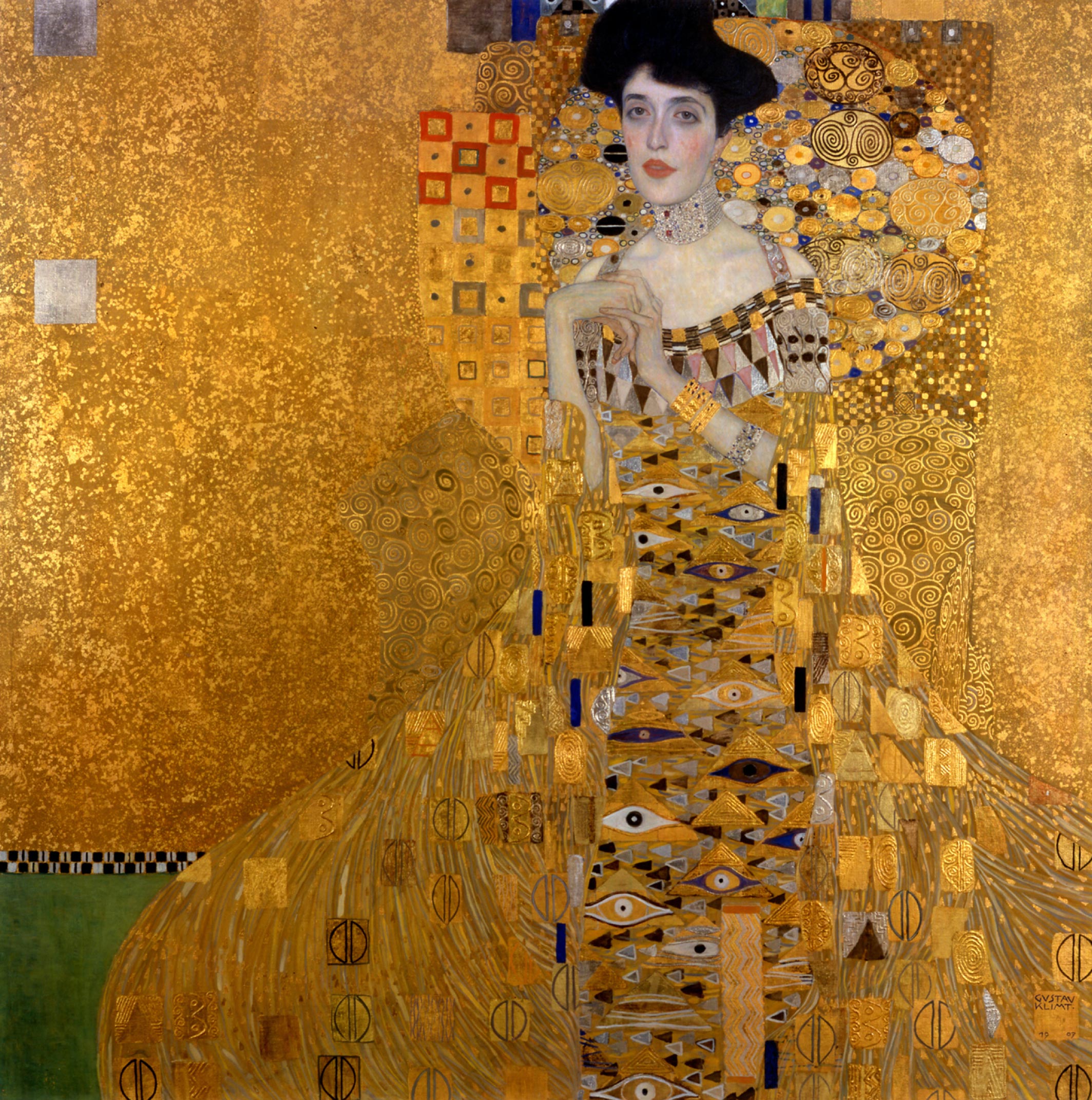
The «Woman in Gold»: the portrait that in 2006 reached one of the highest prices in the history of the art market. The golden period in its purest form. The reproduction is among the works of Klimt, and the painter’s story is in Klimt’s biography.
Hand-painted reproduction: Gustav Klimt – Portrait of Adele Bloch-Bauer I
The Weeping Woman – Pablo Picasso
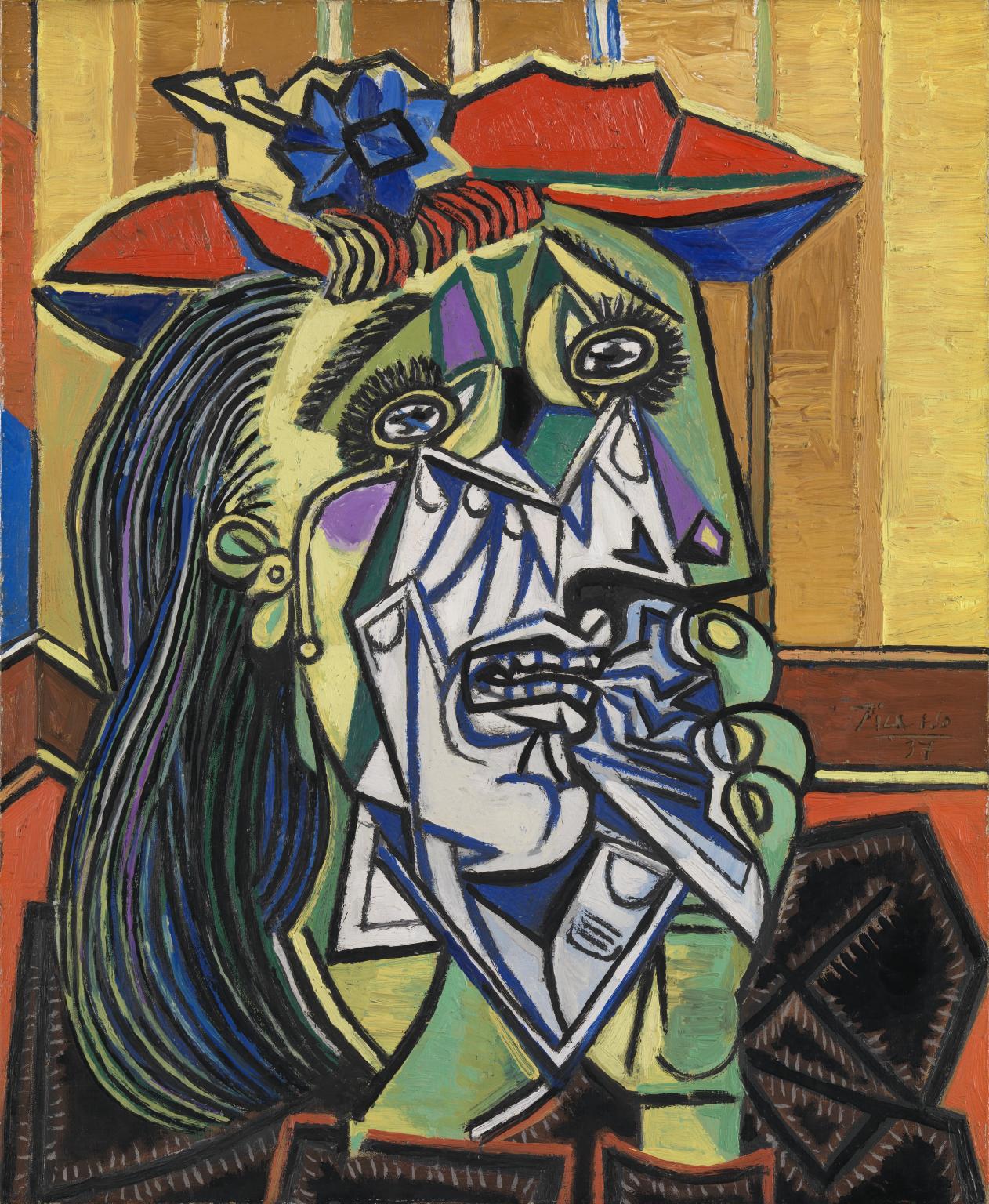
A face broken into planes of colour and pain – the continuation of Guernica in an intimate format. One of the most powerful portraits of the 20th century. The reproduction is among the works of Picasso, with more about the painter in the biography.
Hand-painted reproduction: Pablo Picasso – Weeping Woman
Which is the most famous painting in the world?
By visitor numbers and recognition it is undisputedly the Mona Lisa by Leonardo da Vinci at the Louvre in Paris – up to ten million people see it each year.
Where do the world’s most famous paintings hang?
Most are held by the Louvre and the Musée d’Orsay in Paris, MoMA in New York, the Uffizi in Florence, the Belvedere in Vienna and the Van Gogh Museum in Amsterdam.
Can I buy a reproduction of a famous painting?
Yes – in our online gallery you can order a hand-painted reproduction of any painting on this list, on canvas in the size you choose. Before delivery you receive a photograph of the painting for approval, and a motif that is not in the offer we paint to order. On request we adjust it (colours, details) and ship only once you approve.