



“Pictures must be miraculous.”
Mark Rothko
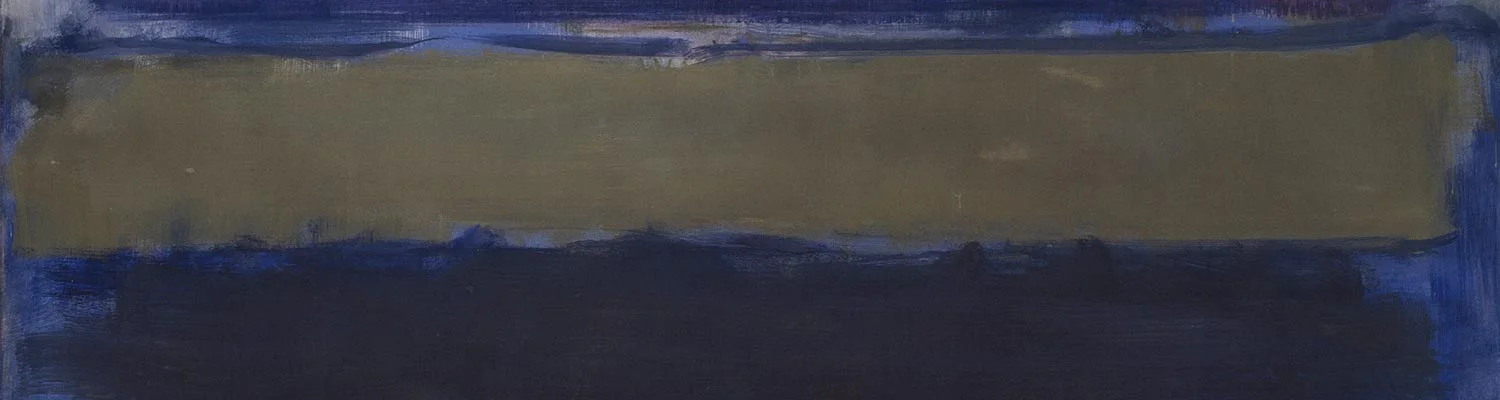
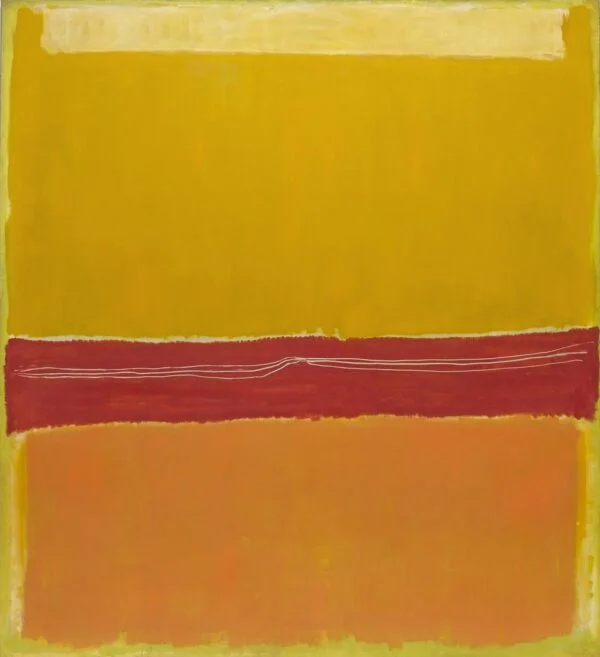
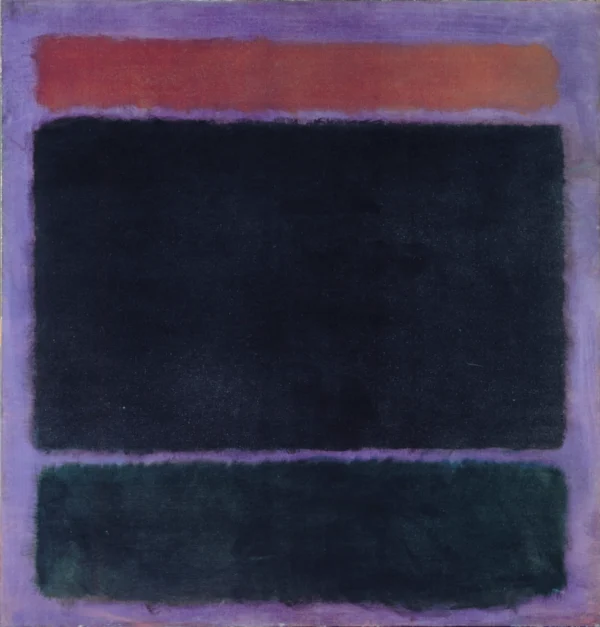
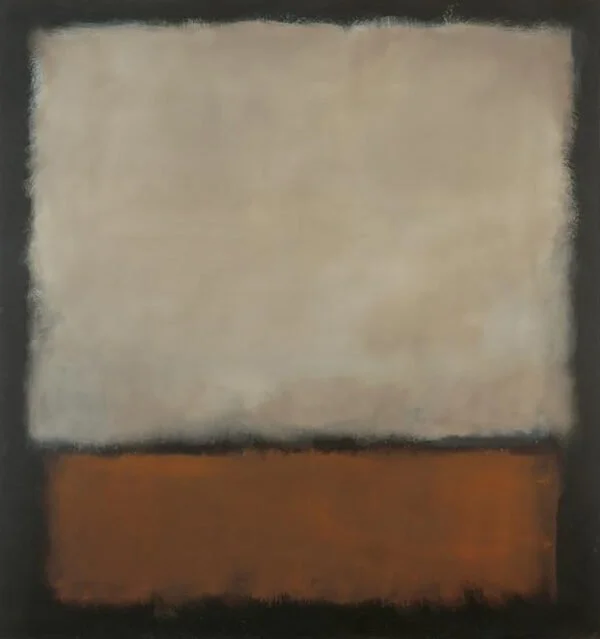
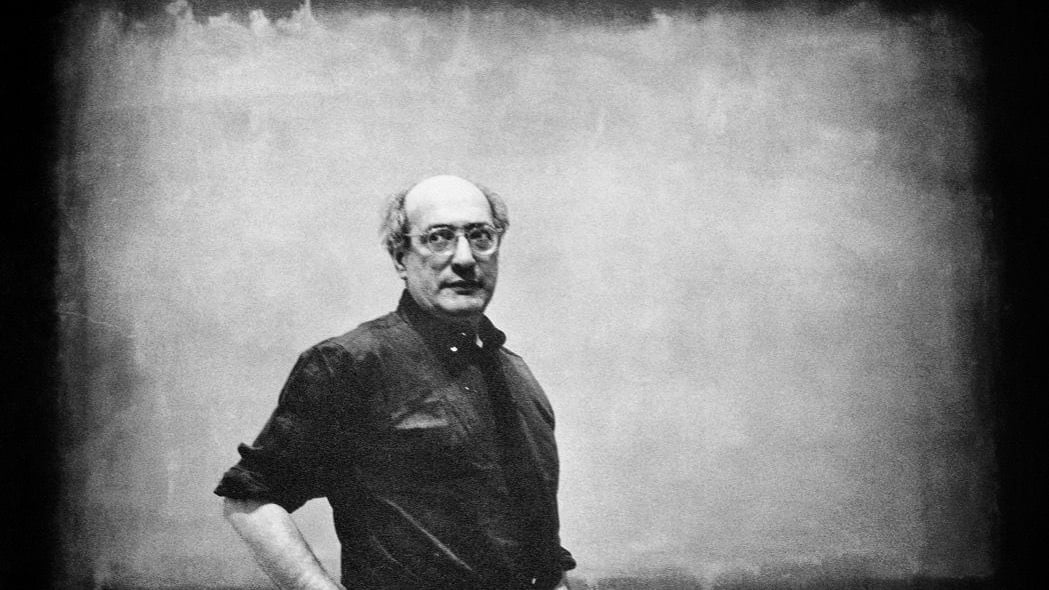
Mark Rothko is a prominent figure among the painters of the New York School, he moved through many artistic styles until he reached his signature motif of the 1950s soft, rectangular shapes floating on a tinted color field. Heavily influenced by mythology and philosophy, he insisted that his art was full of content and full of ideas. A fierce defender of social-revolutionary thought and the right to self-expression, Rothko also explained his views in numerous essays and critical reviews.
Rothko’s art was heavily interwoven with Nietzsche, Greek mythology and his Russian-Jewish heritage. It was deeply imbued with emotional content, which he articulated through a range of styles that evolved from figurative to abstract.
Mark Rothko’s early figurative works – including landscapes, still lifes, figure studies and portraits – demonstrated an ability to blend expressionism and surrealism. His search for new forms of expression led to his Color Field paintings, which used luminous colors to convey a sense of spirituality.
Mark Rothko maintained the social-revolutionary ideas of his youth all his life. In particular, he supported artists’ complete freedom of expression, which he believed was threatened by the market. This belief often put him at odds with the art establishment, causing him to publicly respond to criticism and occasionally reject commissions, sales and exhibitions.