



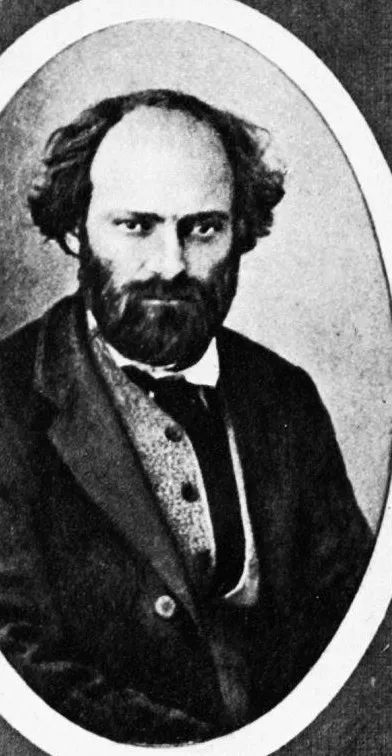
Paul Cezanne was a French artist who is considered one of the most influential figures in the development of modern art. Born in 1839 in Aix-en-Provence, France, he began his artistic career as a traditional painter, but eventually developed a unique style that laid the foundation for 20th century art movements such as Cubism, Fauvism, and Expressionism.
Cezanne’s paintings are known for their bold use of color and ability to create a sense of depth and movement on a flat canvas. He was particularly interested in exploring the relationship between different objects in a scene and their mutual influence. He is often credited with inventing the concept of the “pocket” in painting, which describes the way he used color to create depth and movement in his paintings.
Cezanne’s work was not widely accepted or understood during his lifetime, but it had a great influence on the development of modern art. His work greatly influenced many contemporaries such as Henri Matisse and Pablo Picasso, who helped spread the word about Cezanne’s innovations.
Cezanne’s paintings are today considered masterpieces and are highly sought after by collectors and museums around the world. He painted more than 900 paintings, including landscapes, still lifes, portraits and more. He died in 1906 in Aix-en-Provence, but his legacy lives on with his works still inspiring artists and art lovers alike.
One of Cezanne’s most famous works is “The Card Players,” which depicts five men gathered around a table playing cards. This painting is important not only for its composition and use of color, but also for its subject matter. Cezanne was interested in depicting everyday life and the relationships between people, and “The Card Players” is a great example of this. The painting was created in the early nineties of the 19th century and today it is considered one of the most valuable paintings in the world.
Other known Cezanne’s work is “Mont Sainte-Victoire”, a series of paintings depicting a mountain in Provence, France. Cezanne was known for his love of landscapes, so he often painted the same subject multiple times, experimenting with different color schemes and compositions each time. The “Mont Sainte-Victoire” series is a great example of this and shows Cezanne’s ability to capture the beauty of nature through the use of color and brushstrokes.
In addition to painting, Cezanne was also an excellent draftsman and graphic artist. During his career, he created more than 200 watercolors, drawings and prints. His drawings in particular are considered an important part of his legacy, as they demonstrate his masterful command of line and form.
Despite that Cezanne was not widely recognized during his lifetime, but today he is considered one of the most important artists of the 19th century. His works had a significant impact on the development of modern art and are still the subject of many studies and admiration.
To summarize, Paul Cezanne was a French painter who laid the foundation for the development of modern art with his work. His paintings are known for their bold use of color, ability to create a sense of depth and movement on a flat canvas, and unique style that paved the way for 20th century art movements such as Cubism, Fauvism, and Expressionism. His works are still celebrated and studied today, and his influence can be seen in the works of many artists who came after him. His landscapes and still lifes remain among the most frequent motifs for hand-painted reproductions of Cézanne paintings.
Paul Cezanne – 10 interesting facts
- Paul Cezanne was born in 1839 in Aix-en-Provence, France .
- Next to Van Gogh and Gauguin, he is considered one of the most important post-impressionist painters.
- He is known for using geometric shapes and strong color contrasts in his paintings.
- He was a close friend of the artist Emile Zola, who also came from Aix-en-Provence.
- He was a recluse and a private person, and he exhibited his works publicly only in the later periods of his career.
- He was strongly influenced by the works of Poussin and Ingres, and often painted landscapes in the south of France.
- Regarded as the “father of modern art” as he emphasized structure, form and color over traditional representational art.
- He was also known for his still-life paintings, in which often depicted fruit and objects from his studio.
- He died in 1906, aged 67, he left behind a legacy of more than 800 paintings and almost 200 watercolors and drawings.
- His paintings were highly sought after by many of the most influential painters of the 20th century, including Picasso and Matisse.