



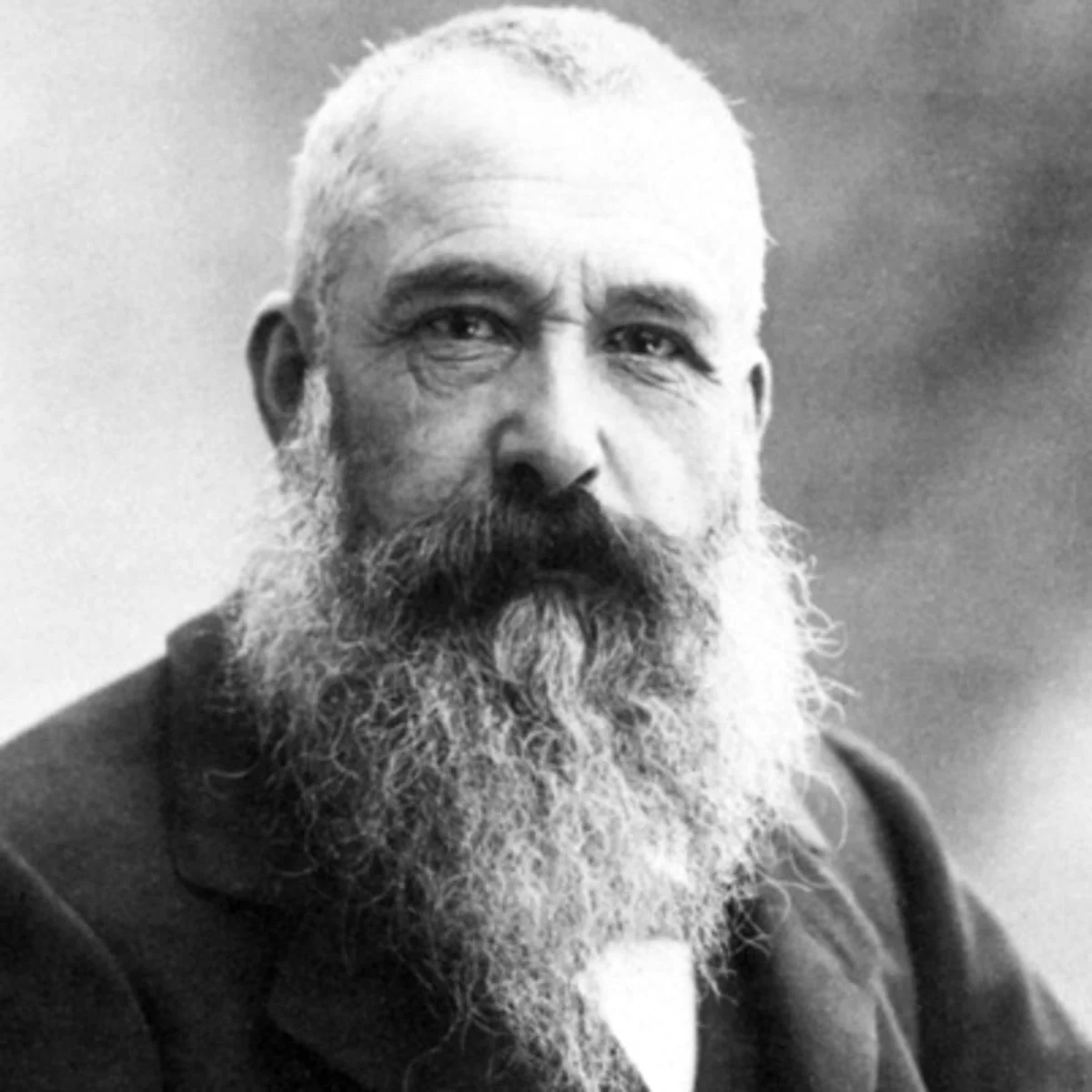
Claude Monet was a French impressionist painter born in 1840 in Paris, France. He is considered one of the most important figures in the history of art, and his work had a significant impact on the development of modern art. He is best known for the series of paintings entitled “Water Lilies”, which are considered one of the most iconic and recognizable works of the Impressionist movement.
Monet began his artistic career as a student at the Académie Suisse in Paris, where he met other artists who later became important figures in the Impressionist movement. He was strongly influenced by the works of the painters of the Barbizon school, who focused on the natural beauty of the French countryside.
In the early sixties In the 19th century, Monet began experimenting with new techniques and styles and became one of the leading members of the Impressionist movement. Impressionism was a style of painting that focused on matching the momentary and fleeting effects of light and color. Monet’s works were characterized by bold brush strokes, bright colors and the use of light and shadow to create a sense of movement and atmosphere.
One of Monet’s most famous series of paintings is the “Water Lilies” series. This series of paintings, which he began painting in 1899, shows water lilies in his garden at Giverny. These paintings are characterized by vibrant colors, bold brush strokes, and the use of light and shadow to create a sense of movement and atmosphere. These paintings are considered some of the most iconic and recognizable works of the Impressionist movement.
- Claude Monet was a French impressionist painter known for a series of paintings depicting the changing seasons and natural landscapes of France.
- He was born in 1840 in Paris, but spent most of his life in the French countryside, especially in the towns of Giverny and Argenteuil.
- Monet’s early works were heavily influenced by the Barbizon school of landscape painting, but he eventually developed his own style and became one of the leading figures of the Impressionist movement.
- Monet is known for his series of paintings in which he depicted the same scene at different times of the day and in different seasons, for example after a series of haystacks, poplars and water lilies.
- His famous a series of water lilies that he began painting in 1899 was inspired by a pond in his garden at Giverny.
- Monet’s paintings were often criticized by critics and the public during his lifetimei, but he had a devoted group of supporters, including the art dealer Paul Durand-Ruel, who organized several successful exhibitions of Monet’s work.
- Monet was also a passionate gardener and designed his own garden in Giverny, which became a popular tourist attraction after his death.
- At the end of his life, Monet suffered from cataracts and his eyesight deteriorated, but he continued to paint until his death in 1926.
- Monet’s works are considered one of the most valuable in the world, his painting “Water Lilies” was sold in 2008 for 80, 5 million dollars.
- Monet’s house and gardens at Giverny, which were a source of inspiration for many his paintings, are open to the public and are now a popular tourist destination.
Monet’s “Water Lilies” series during when it was first exhibited, it was not well received by critics, but has since been considered one of the most important works of the Impressionist movement. Today they are considered masterpieces of 20th century art and are on display in many of the world’s most prestigious museums, including the Metropolitan Museum in New York, the Orsay Museum in Paris and the National Gallery in London.
Monet’s works had a significant impact on the development of modern art. His use of light and color to depict the fleeting effects of nature paved the way for the development of the Fauvist and Expressionist movements, and his “Water Lilies” series is considered an important influence on the development of abstract art.
Claude Monet was a French Impressionist painter born in 1840 in Paris, France. He is considered one of the most important figures in the history of art, and his work had a significant impact on the development of modern art. He is best known for his series of paintings entitled “Water Lilies”, which are considered one of the most iconic and recognizable works of the Impressionist movement. Monet’s use of light and color to depict the fleeting effects of nature paved the way for the development of the Fauvist and Expressionist movements, and his “Water Lilies” series is considered a significant influence on the development of abstract art. Monet’s work is still celebrated and studied by art lovers and scholars around the world, and his paintings are on display in many of the world’s most prestigious museums. His use of light and color to capture the beauty of nature and his unique and recognizable style make him a true master of Impressionism, and his works continue to inspire and influence artists today. Because of his influence on the art world and his lasting legacy, he is one of the most important figures in the history of art. His water lilies and landscapes are among the most frequent motifs for hand-painted reproductions of Monet paintings.