










Description
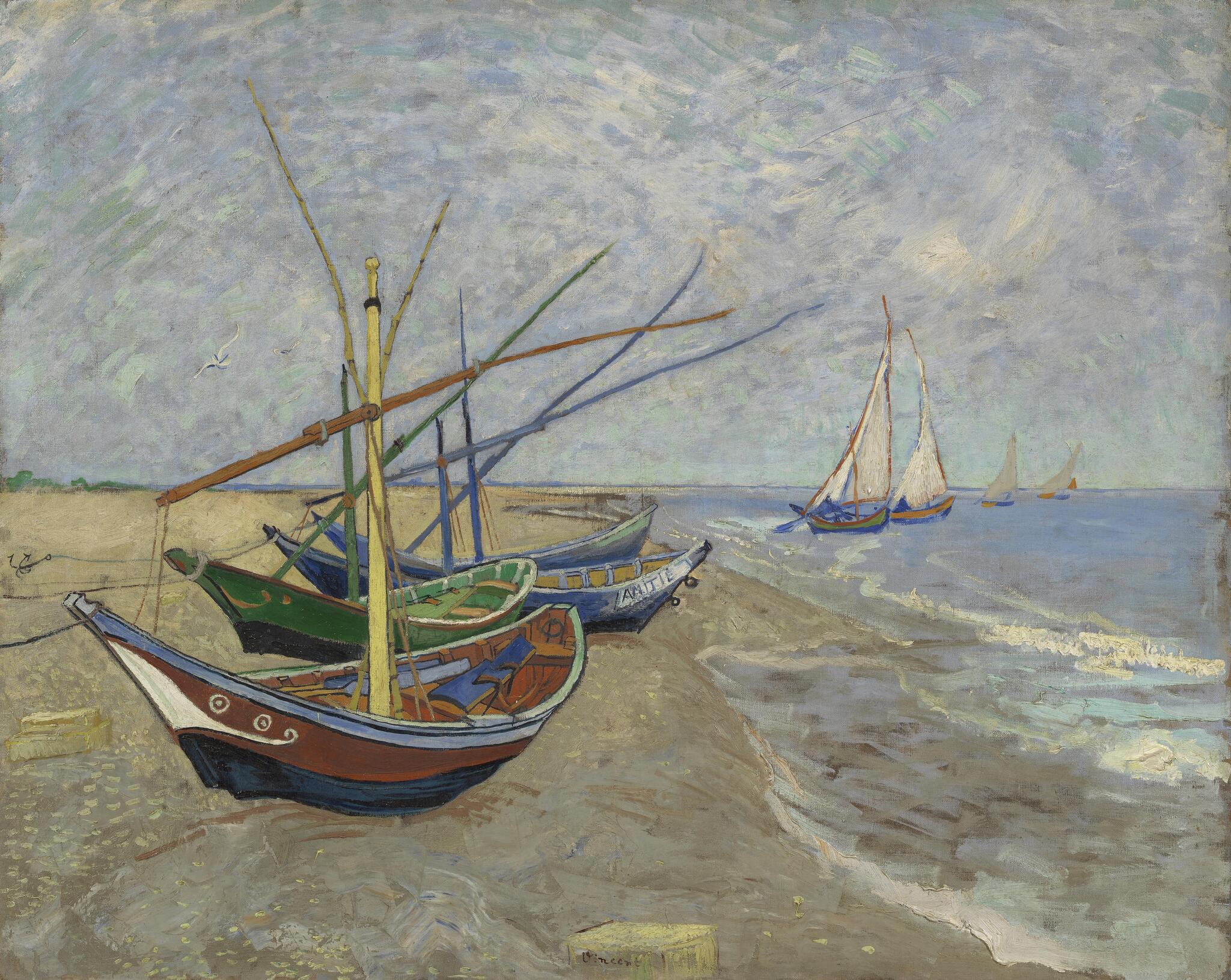
Fishing Boats on the Beach at Les Saintes-Maries-de-la-Mer is the painting Vincent van Gogh made in Arles in June 1888 after a week by the sea: four colourful fishing boats pulled up on the sand, their masts and long yards crossing a pale sky, and small sailing boats out on a blue-green sea. The original measures 65 x 81.5 cm and hangs in the Van Gogh Museum in Amsterdam. We paint it by hand in oil on canvas, in 16 sizes from 50 x 40 to 150 x 120 cm or to your own measurement, and send you a photograph of the finished work for approval before dispatch.
| Title: | Fishing Boats on the Beach at Les Saintes-Maries-de-la-Mer |
| Other titles: | Fishing Boats on the Beach at Saintes-Maries · Fishing Boats on the Beach at Saintes-Maries-de-la-Mer |
| Painter: | Vincent van Gogh (1853–1890) |
| Year painted: | June 1888, Arles |
| Original size: | 65 cm x 81.5 cm |
| Original technique: | Oil on canvas |
| Painting style: | Post-Impressionism |
| Located at: | Van Gogh Museum, Amsterdam (inv. s0028V1962) |
| Our reproduction: | Hand-painted oil on canvas, 16 sizes or made to measure |
Fishing Boats on the Beach at Les Saintes-Maries-de-la-Mer – Vincent van Gogh
What does Fishing Boats on the Beach at Les Saintes-Maries-de-la-Mer show?
The painting shows four fishing boats pulled up on the sandy beach at Les Saintes-Maries-de-la-Mer, a fishing village on the Mediterranean coast of the Camargue. The boats lie side by side in the left foreground, tilted on their keels. The front boat has a red-brown hull with a white and blue band and a dark blue inside; behind it lie a green boat and two blue ones, with lettering on their bows. Their masts rise straight up, and the long yards of the sails cross the sky in sharp diagonal lines.
The beach is pale yellow and grey. On the right the sea runs in bands of turquoise, green and blue, with white foam where the small waves reach the shore. Further out, small sailing boats with white sails ride on the water near the horizon. Above everything stretches a pale blue-grey sky in fine, restless strokes.
Why did Van Gogh paint it in Arles and not on the beach?
Because the boats did not wait for him. The Van Gogh Museum explains that he would have preferred to make the painting on the beach, but the fishermen put out to sea very early every morning. So he drew the boats there and made the painting later at home in Arles.
He told his brother Theo in a letter that he had made the drawing of the boats when he left very early in the morning, and he was now working on a painting based on it, a size 30 canvas with more sea and sky on the right. In his words, he had watched the boats every morning, but as they left very early he did not have time to paint them.
What did Van Gogh want to show with this painting?
In the summer of 1888 Van Gogh, who was then living in Arles, spent a week at Les Saintes-Maries-de-la-Mer. According to Wikipedia, he went to the coast to recover his health and to find new subjects to paint. In a letter to Theo he described the place: the beach was sandy, with no cliffs or rocks, like Holland without the dunes and with more blue.
The museum points out what makes the boats look slightly unreal. Compared with the irregular surface of the sand, they are painted in an overly two-dimensional way, as areas of uniform colour within strong outlines, and they cast no shadows on the beach. In the museum’s reading, these stylistic elements were familiar to Van Gogh from his collection of Japanese prints. The whole story of the week by the sea is in the Wikipedia article on Van Gogh’s Saintes-Maries series.
Where does the original hang?
The original hangs in the Van Gogh Museum in Amsterdam, which lists it as Fishing Boats on the Beach at Les Saintes-Maries-de-la-Mer, Arles, June 1888, oil on canvas, 65 x 81.5 cm, under the object number s0028V1962. In the catalogues of Van Gogh’s work it is F413 and JH1460.
In mid-August 1888 Van Gogh gave the painting to Paul Eugène Milliet to take to Theo in Paris. After Theo’s death in January 1891 it passed to his widow, Jo van Gogh-Bonger, and their son, Vincent Willem van Gogh. From 1931 it was on loan to the Stedelijk Museum in Amsterdam, in 1962 it went to the Vincent van Gogh Foundation, and since 2 June 1973 it has been on permanent loan to the museum that bears the painter’s name.
Fishing Boats on the Beach at Les Saintes-Maries-de-la-Mer or Fishing Boats at Sea – which is which?
They are two different paintings from Van Gogh’s stay at Les Saintes-Maries-de-la-Mer in 1888. This one shows the boats lying on the beach, painted in Arles from a drawing, and it hangs in the Van Gogh Museum in Amsterdam. Fishing Boats at Sea shows the boats sailing on a choppy sea under a high horizon, and it belongs to the Pushkin Museum in Moscow. Choose this one for calm, clear shapes and bright colour on the sand, the other for waves and movement.
From Arles in 1888 come three more paintings in our range. Starry Night over the Rhône shows the river at Arles at night under a sky full of stars. The Yellow House is the house in Arles where Van Gogh lived and worked, and Café Terrace at Night shows a lit café terrace on a square in Arles under a night sky.
How is our hand-painted Fishing Boats on the Beach at Les Saintes-Maries-de-la-Mer made?
The painter first draws the four boats, the masts and yards and the line of the shore. Then come the pale sky, the sea with its white foam, the sand, and last the even colours of the hulls inside their dark outlines. Our oil painting reproduction is painted by hand in oil on canvas with real impasto: the paint goes on thickly, so the brushstrokes stand up from the canvas as they do in the original and catch the light.
On this painting the relief shows most in the restless strokes of the sky, in the waves along the shore and in the sand, while the boats are laid in as areas of even colour inside strong outlines, as the museum describes them. A print gives only a flat surface; on our painting the strokes are real.
Every painting is a hand-painted copy made for your order, so no two are quite the same. Before dispatch we photograph it, sending you the photograph to approve.
Which size for which wall?
Short answer: 70 x 56 or 82 x 65 cm above a sideboard, a desk or a bed, 100 x 80 or 120 x 100 cm above a sofa, and 150 x 120 cm for a large empty wall. The landscape format suits a living room, a dining room or a bedroom.
There are 16 sizes: 50 x 40, 55 x 45, 60 x 50, 70 x 56, 70 x 60, 82 x 65, 85 x 68, 85 x 70, 90 x 70, 93 x 75, 100 x 80, 100 x 85, 105 x 84, 105 x 88, 120 x 100 and 150 x 120 cm (width x height). The original is 81.5 cm wide and 65 cm high; our 82 x 65 cm size is practically the same, so the painting on your wall is as large as the one in Amsterdam. It sits well on a white, cream or light grey wall, or on a soft blue one that picks up the sea. A painting for the living room should take up about two thirds of the width of the furniture below it.
Hang it with the centre of the canvas about 150 cm above the floor, leaving 20 to 30 cm between the furniture and the bottom edge.
What if I need a custom size or a frame?
If none of the 16 sizes fits your wall, we paint it to measure. Keep the proportions close to the original, otherwise the boats and the strip of sea get squeezed or stretched. Send us the width and height you want and we will quote a price and a lead time. Every painting we make is stretched over a wooden stretcher and ready to hang.
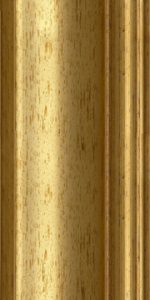
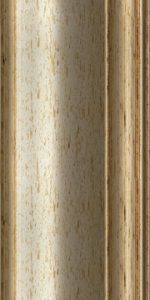
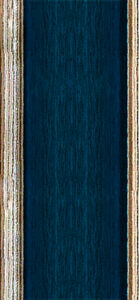
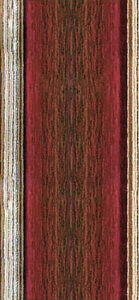
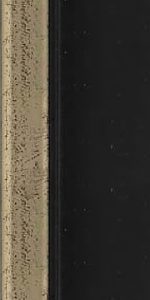
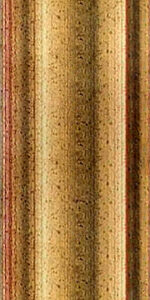
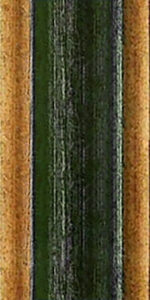
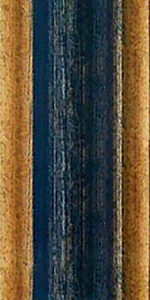
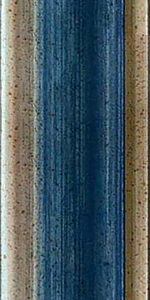
For the moulding, use our 3D application: it shows each of our frame profiles on this subject, so you can compare gold, silver, black, white and natural wood – the application is for choosing the frame only. Seeing the painting on your own wall is our separate room placement service. A natural wood frame suits the sand and the wooden boats, and a white or silver frame keeps the pale sky and the sea light.
How does delivery work, and what is the guarantee?
Every painting is made to order in our studio in Slovenia, so allow 15 to 45 days depending on the size you choose. We ship it stretched and protected, framed if you chose a frame, across the EU with no customs. Before dispatch you receive a photograph of the finished work to approve, and we correct anything that is not right. Our returns policy applies to every order.
You will find more famous Van Gogh paintings among all our Vincent van Gogh paintings, and there is more about the painter in our article on Vincent van Gogh. If you are giving it as a present and are not sure of the size, a wall art voucher lets the recipient choose.
Frequently asked questions
Where is the original Fishing Boats on the Beach at Les Saintes-Maries-de-la-Mer today?
In the Van Gogh Museum in Amsterdam. The museum lists it as oil on canvas, 65 x 81.5 cm, painted in Arles in June 1888, object number s0028V1962. Van Gogh sent it to his brother Theo in Paris in August 1888, and it stayed with the family until the Vincent van Gogh Foundation took it over in 1962.
When and where did Van Gogh paint Fishing Boats on the Beach at Les Saintes-Maries-de-la-Mer?
In June 1888, in Arles in the south of France. He had spent a week at Les Saintes-Maries-de-la-Mer, a fishing village on the Mediterranean, where he drew the boats on the beach early in the morning. Back in Arles he painted the canvas from that drawing.
Why did Van Gogh go to the sea before painting Fishing Boats on the Beach at Les Saintes-Maries-de-la-Mer?
According to Wikipedia, he went to recover his health and to find new subjects. In the summer of 1888 he left Arles for a week on the Mediterranean at Les Saintes-Maries-de-la-Mer, a small fishing village in the Camargue. In a letter to Theo he wrote that the beach was sandy, with no cliffs or rocks, like Holland without the dunes and with more blue.
Why do the boats in Fishing Boats on the Beach at Les Saintes-Maries-de-la-Mer look so flat?
Because Van Gogh painted them as areas of uniform colour within strong outlines. The Van Gogh Museum notes that, next to the irregular surface of the sand, the boats are painted in an overly two-dimensional way and cast no shadows on the beach. In the museum’s reading, he knew these stylistic elements from his own collection of Japanese prints.
Did Van Gogh paint Fishing Boats on the Beach at Les Saintes-Maries-de-la-Mer on the beach?
No, only the drawing was made there. The fishermen put out to sea very early every morning, so he drew the boats on the beach and painted the canvas later at home in Arles. In a letter to Theo he wrote that he had watched the boats every morning, but as they left very early he did not have time to paint them.
Is Fishing Boats on the Beach at Les Saintes-Maries-de-la-Mer the same painting as Fishing Boats at Sea?
No. Both come from Van Gogh’s stay at Les Saintes-Maries-de-la-Mer in 1888, but this one shows four boats lying on the sand and hangs in the Van Gogh Museum in Amsterdam. Fishing Boats at Sea shows the boats sailing on a choppy sea under a high horizon and belongs to the Pushkin Museum in Moscow.
How big is the original Fishing Boats on the Beach at Les Saintes-Maries-de-la-Mer, and which size should I choose?
The original is 65 cm high and 81.5 cm wide. Our 82 x 65 cm size is practically the same and works well above a sideboard or a bed. For a sofa choose 100 x 80 or 120 x 100 cm, and for a large wall 150 x 120 cm. As a canvas painting it comes in 16 sizes from 50 x 40 cm, or made to measure.
Does your Fishing Boats on the Beach at Les Saintes-Maries-de-la-Mer have the raised brushstrokes of the original?
Yes. We paint our copy in impasto: the paint goes on thickly, so the brushstrokes stand up from the canvas as on Van Gogh’s original. You see it best in the sky, the waves along the shore and the sand, where the relief catches the light. A print cannot have this relief, because its surface is flat.
- Subject: four colourful fishing boats on the sand at Les Saintes-Maries-de-la-Mer, small sailing boats on a blue-green sea, a pale sky.
- Original: June 1888, Arles, 65 x 81.5 cm, Van Gogh Museum, Amsterdam.
- Ours: a Van Gogh reproduction painted by hand in oil on canvas, in 16 sizes from 50 x 40 to 150 x 120 cm or made to measure.
- Worth knowing: you receive a photograph of the finished work for approval before dispatch.