



Description
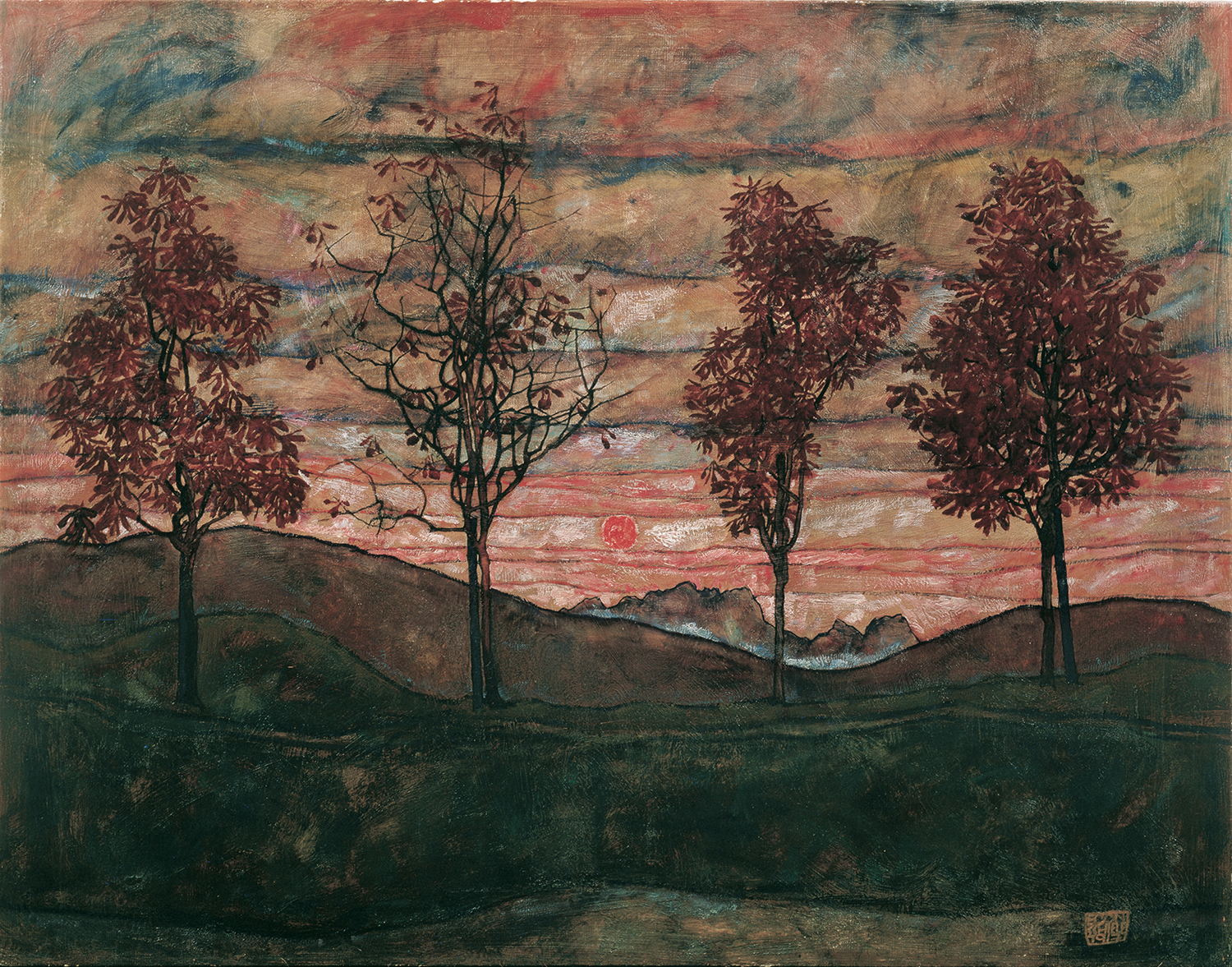
Four Trees is a 1917 painting by Egon Schiele: four chestnut trees in a row before low hills and a distant mountain ridge, under a streaked sky with a small red sun. We paint it by hand in oils at the size you choose, and before dispatch we send you a photograph of the finished painting for approval.
| Title: | Four Trees |
| Other titles: | Chestnut Avenue in Autumn · Vier Bäume · Kastanienallee im Herbst |
| Painter: | Egon Schiele (1890–1918) |
| Year: | 1917, signed and dated lower right |
| Original size (width × height): | 141 cm x 110.5 cm |
| Original technique: | Oil on canvas |
| Style: | Expressionism |
| Location: | privately owned since the 2020 restitution |
| Our reproduction: | hand-painted oil on canvas, 15 sizes from 50 x 40 cm to 205 x 164 cm, or a made-to-measure size |
Four Trees – Egon Schiele
What does the painting show?
Four trees stand spread across the width of the canvas, their dark trunks rising from a green field. Three carry dense crowns of reddish-brown leaves; the second from the left is almost bare, a net of dark branches with only a few leaves left. Behind them run low brown hills, and through the gap in the middle a grey mountain ridge shows in the distance. A small red sun sits low in the sky between the second and the third tree. The sky fills the upper half with horizontal streaks of pink, orange, ochre and blue-grey, and the lower third is a broad field in dark greens. In the lower right corner is Schiele’s signature, set in a small square.
Why do people love it?
Because it is calm and easy to live with. There are no figures and no drama, only four trees, a line of hills and a wide sky, and the eye moves along them from left to right as it would along a line of music. The warm reds and browns of the leaves stand against the pink of the sky, and the dark green ground below gives the whole picture weight. Anyone who knows Schiele from his portraits sees another side of him here: instead of bodies, the Austrian painter set down a quiet row of trees. And the streaked sky and the loose brushwork keep it lively when you step closer.
Provenance and restitution
Before 1938 the painting hung in the Vienna home of Josef Morgenstern, a Jewish commercial agent; fleeing after the Anschluss, he left it for safekeeping and was later deported and murdered at Auschwitz. The Belvedere acquired it in 1943. In 2020 the Austrian Art Restitution Advisory Board (Kunstrückgabebeirat) recommended its restitution to the Morgenstern heirs.
Where does it sit among Schiele’s works?
If you like this painting, look also at House Wall (Windows), The Lyricist and Cardinal and Nun (Caress). The whole selection is in our Egon Schiele gallery, and there is more about the painter’s life in our article about Egon Schiele.
How is our hand-painted version made?
One of our artists paints it by hand in oils, stroke by stroke and for your order alone: it is a hand-painted painting, not a print. On this subject most of the care goes into the sky, whose streaks of pink, orange and blue have to stay loose and layered, and into the thin branches of the bare tree, which must stay fine without turning stiff. Our copy is oil on canvas, like the original. When it is finished we photograph it and send you the photograph for approval; only then does it ship. This work has not yet been photographed in our workshop, so for now this page shows no workshop photographs of it.
Which size for which wall?
We offer this painting in 15 sizes, from 50 x 40 cm to 205 x 164 cm. Above a chest of drawers or a desk, 70 x 55 cm or 80 x 65 cm is enough. Above a sofa or a bed, choose 100 x 80 cm or 130 x 100 cm, roughly two thirds of the width of the furniture. For a large living-room wall, a stairwell or a room with a high ceiling, 150 x 120 cm or larger lets the sky and the trees carry across the whole room. A canvas painting of that size needs distance: it looks its best from a few steps back. Hang it with its centre at eye level, roughly 145–150 cm from the floor; above a sofa, 15–25 cm above the backrest.
Custom size, stretcher bar and frame
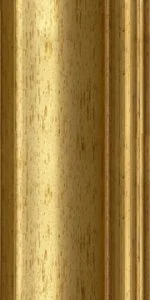
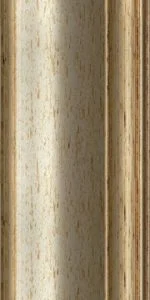
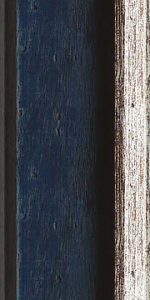
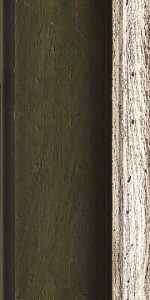
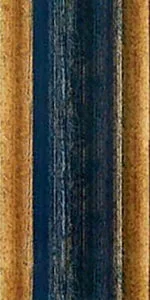
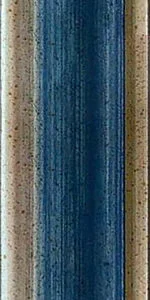
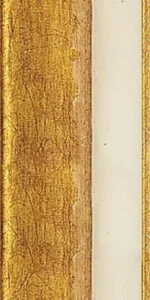
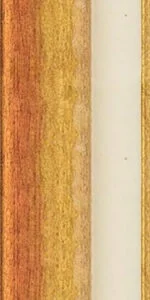
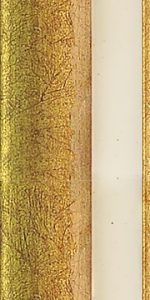
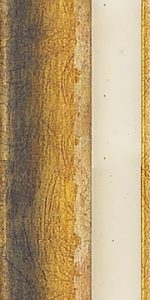
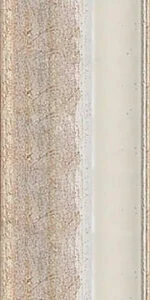
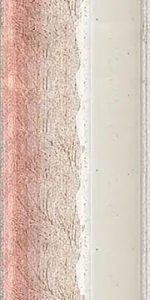
If none of the fifteen sizes suits your wall, we paint the work to your own measurement. If you choose “YES” under the Stretcher option, the canvas comes stretched on a wooden stretcher bar, ready to hang. Our 3D application is for choosing a frame only, not for showing the work on your wall; seeing it on your wall is a separate service. The frame is chosen separately and need not be part of the order. With this subject a plain, narrow frame in dark wood sits quietly beside the dark field and the warm reds, while a heavy gilt frame competes with the sky.
Delivery and guarantee
We paint to order and deliver to sixteen countries in the European Union, among them Slovenia, Croatia, Austria, Italy, Hungary, Germany and France; the United Kingdom and Ireland are not currently among them. Before dispatch we send you a photograph of the finished work to approve. Production time depends on the size and on the studio’s workload. Every order is covered by our Returns and Refund Policy.
Frequently asked questions
What does Schiele’s Four Trees show?
Four chestnut trees stand in a row before low hills and a distant grey mountain ridge, under a sky streaked with pink, orange and blue-grey and a small red sun. Three still carry reddish-brown leaves, while the second from the left is almost bare. That autumn scene is why the work is also known as Chestnut Avenue in Autumn.
When did Schiele paint Four Trees?
In 1917, the year before his death in 1918; the canvas is signed and dated lower right, with the signature set in a small square. It is a large canvas, 141 x 110.5 cm.
How is Four Trees different from Schiele’s portraits?
Schiele is known above all for his portraits and figures, and Four Trees shows another side of him: no figures and no drama, only four trees, a line of hills and a wide sky. The eye moves along them from left to right, as it would along a line of music. The warm reds and browns of the leaves stand against the pink sky, while the dark green field below gives the whole weight.
Why was Four Trees restituted?
Before 1938 it hung in the Vienna home of Josef Morgenstern, a Jewish commercial agent. Fleeing after the Anschluss, he left it for safekeeping; he was later deported and murdered at Auschwitz. The Belvedere acquired it in 1943, and in 2020 the Austrian Art Restitution Advisory Board recommended its restitution to his heirs.
Where is Four Trees today?
No longer in a museum: since its restitution in 2020 it has been privately owned. Before that it belonged to the Belvedere in Vienna for almost eight decades.
Does it work as a gift?
Yes; if you are unsure which size to choose, there is a gift voucher.