Description
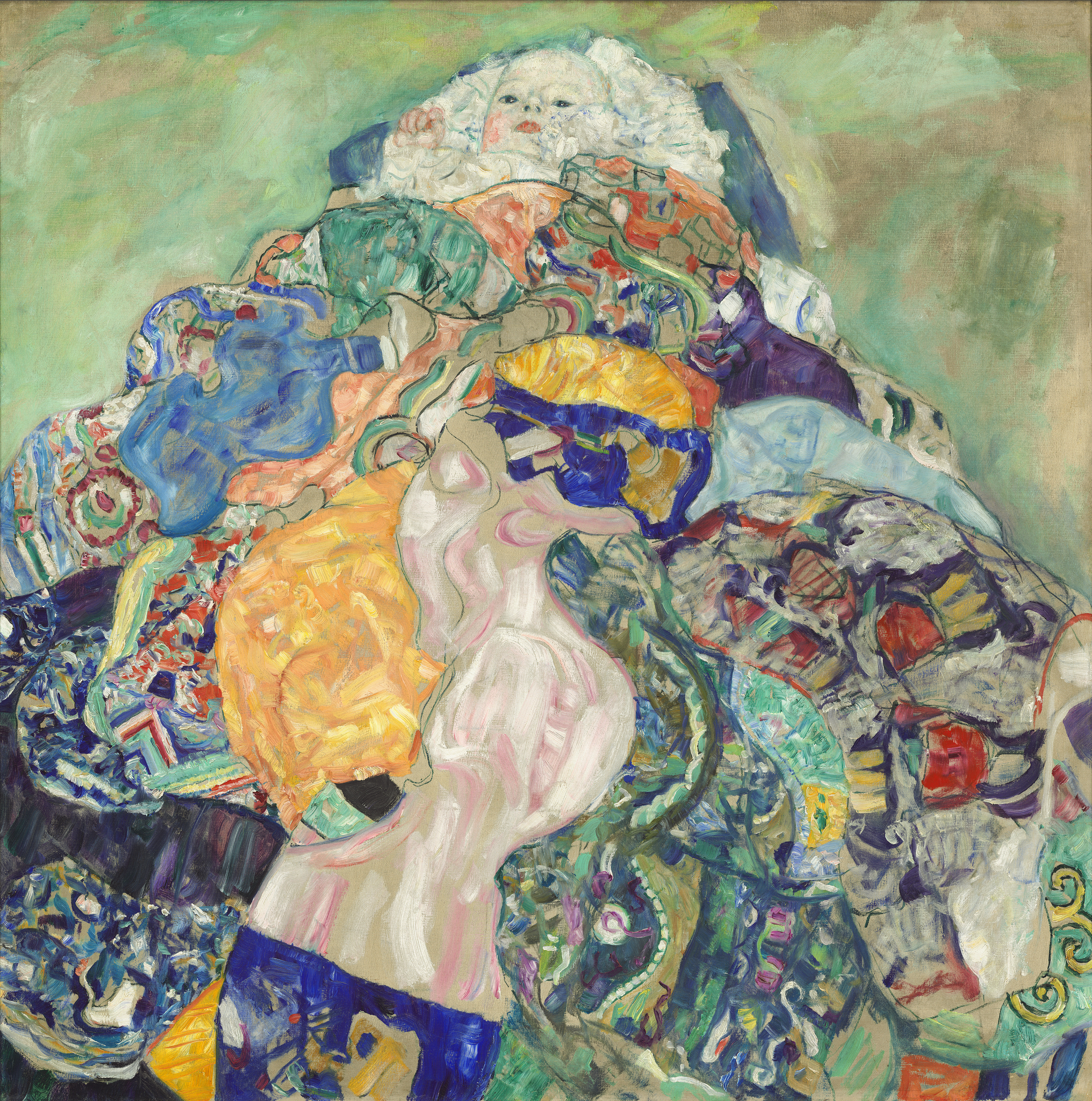
Baby (Cradle) is one of Gustav Klimt’s last paintings, made in 1917–1918 and left unfinished: a baby’s small head peeps out from the top of a tall mountain of colourful blankets. The original is in the National Gallery of Art in Washington. We paint it by hand in oil on canvas, in eight square sizes from 60 x 60 to 150 x 150 cm or to your own measurement, and send you a photograph of the finished work for approval before dispatch.
| Title: | Baby (Cradle) |
| Other titles: | Baby (Wiege) · La culla · Dojenček (Zibelka) |
| Painter: | Gustav Klimt (1862–1918) |
| Year painted: | 1917–1918, unfinished |
| Original size: | 110.9 cm x 110.4 cm |
| Original technique: | Oil on canvas |
| Painting style: | Vienna Secession, late period |
| Located at: | National Gallery of Art, Washington (inv. 1978.41.1) |
| Our reproduction: | Hand-painted oil on canvas, eight square sizes or made to measure |
Baby (Cradle) – Gustav Klimt
What is shown?
At the top of the canvas, almost touching the upper edge, is a baby’s round head with rosy cheeks, and beside it a single small hand. Everything else is blanket: a tall triangle of colourful, wavy patterns that widens from the head down to the bottom edge and seems to spill out towards the viewer. Red, blue, green, white and yellow alternate in stripes, circles and flower patterns.
The canvas is almost square, yet it reads as a pyramid. The head is its apex, the point the eye keeps returning to, and that tiny face in the middle of a storm of colour is what gives the painting its warmth. The brushwork is quick, loose and in places only suggested, which is rare in Klimt’s work and makes the painting unusually fresh.
Why was the painting left unfinished?
Klimt died in February 1918 with several canvases still under way, and Baby is one of them. In many places you can see that the colours are laid down in a first, sketch-like layer, without the details Klimt would otherwise have added at the end.
For many admirers that unfinished state is the painting’s greatest attraction. We can see how Klimt built a composition: first the large areas of colour and the rhythm of the patterns, only then the fine ornament. More than almost any other work, it shows his hand at work.
What does the painting mean?
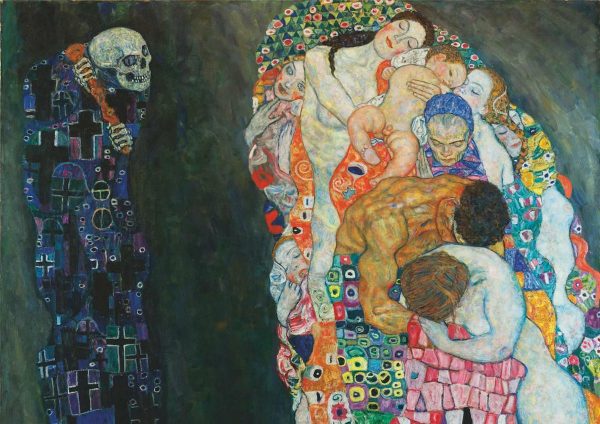
The painting has no story and no symbols to decode. It is an image of the beginning of life: a small, protected person wrapped in the warmth the blankets stand for. Because it was painted in the last months of Klimt’s life, many also read it as a quiet counterpart to death, a theme he was returning to in other works at the time.
Italian Wikipedia links its strong colours to Fauvism and to the folk art of Slavic lands, which Klimt came to know on a trip to Moravia in 1917. The bright patterns of the blankets do indeed recall woven and embroidered folk textiles.
Where is the original today?
The first buyer of the painting was the Primavesi family, who bought it in 1919, soon after Klimt’s death. Today it is held by the National Gallery of Art in Washington under inventory number 1978.41.1.
At 110.9 x 110.4 cm the original is a large, almost square canvas. Anyone who cannot see it in Washington can have it at home as a hand-painted version at almost the same size.
Baby among Klimt’s works
Klimt painted motherhood and childhood more than once. A mother holding a sleeping child is the centre of The Three Ages of Woman, and we also offer that scene on its own as Mother and Child (detail).
From the same late years as Baby come brightly coloured paintings such as Lady with a Fan and Sunflower, where colourful patterns and flowers take the place of gold. Baby is the most relaxed and most personal of them.
How is our hand-painted version made?
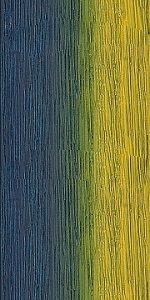
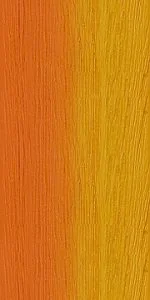
The painter first sets out the triangular composition on white canvas: where the head sits, how the blankets widen downwards and where the fields of colour meet. Then come the face and the hand, which must be soft and warm, and only after that are the blankets built up in quick strokes, stripe by stripe and pattern by pattern. To keep the painting as fresh as the original, we do not smooth the brushwork: it stays visible and stands slightly above the surface.
Every painting is a hand-painted copy made for your order, so no two are ever quite the same. A printed oil painting reproduction cannot show the relief of the paint and the liveliness of the brushwork this painting has. Before dispatch we send you a photograph of the finished work so you can check it before it leaves the workshop.
Which size for which wall?
Short answer: 70 x 70 or 80 x 80 cm for a child’s room, 100 x 100 or 120 x 120 cm above a sofa or a bed, and 150 x 150 cm for a large empty wall. The square format sits calmly and in balance, because it fills the space evenly in both directions.
There are eight sizes: 60 x 60, 70 x 70, 80 x 80, 90 x 90, 100 x 100, 110 x 110, 120 x 120 and 150 x 150 cm. The 110 x 110 cm size differs from the original (110.9 x 110.4 cm) by less than a centimetre, so on your wall it is almost as large as in Washington. A painting for the living room should take up about two thirds of the width of the furniture below it; above a sofa 200 cm wide, that is 120 to 150 cm.
Hang it with the centre of the canvas about 150 cm above the floor, and 20 to 30 cm above a sofa or a bed. In a child’s room, hang it a little higher and fix it securely.
Custom size, stretcher and frame
If none of the eight sizes fits your wall, we paint it to measure; we recommend keeping it square. Send us the width and height you want and we will quote a price and a lead time. Every painting we make is stretched over a wooden stretcher and ready to hang.
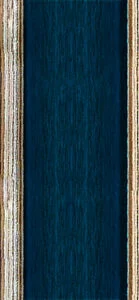
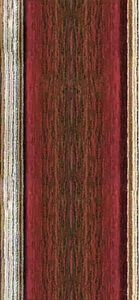
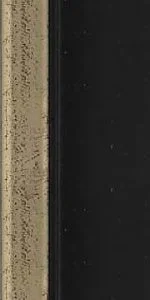
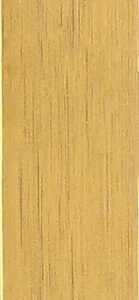
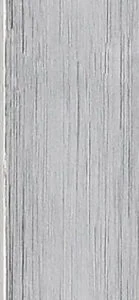
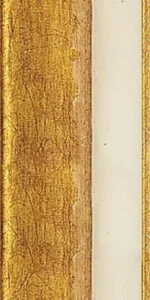
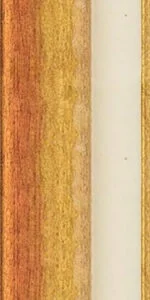
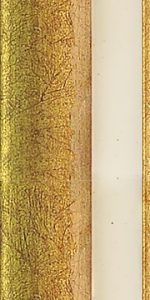
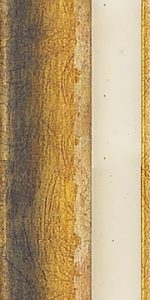
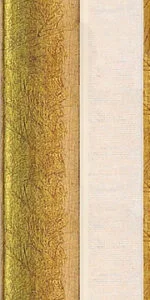
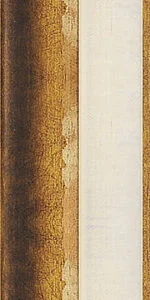
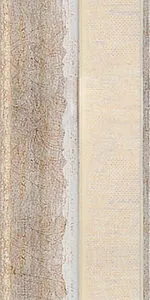
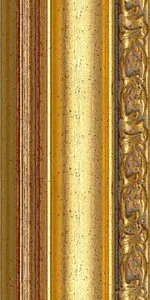
For the moulding, use our 3D application: it shows every one of our frame profiles on this subject, so you can compare gold, silver, black, white and natural wood before deciding – the application is for choosing the frame only. If you would like to see how the painting will look on your own wall, that is our separate room placement service. A simple white or light wooden frame suits the bright colours well.
Delivery and guarantee
Every painting is made to order in our studio in Slovenia, so allow 15 to 45 days depending on the size you choose. We ship it stretched and protected for transport, framed if you chose a frame, across the EU with no customs. Before dispatch you receive a photograph of the finished work to approve. Our returns policy applies to every order.
Every other Klimt work we paint is in the Gustav Klimt gallery, and there is more about the painter himself in our article with ten facts about Klimt.
Frequently asked questions
Where does the original Baby (Cradle) hang?
The original Baby (Cradle) is held by the National Gallery of Art in Washington under inventory number 1978.41.1. Its first buyer was the Primavesi family, who bought it in 1919, soon after Klimt’s death. Italian Wikipedia has more on the painting.
What does Klimt’s Baby (Cradle) mean?
Baby (Cradle) is an image of the beginning of life: a small child wrapped in the warmth of colourful blankets. Because it was painted in the last months of Klimt’s life, many read it as a quiet counterpart to death, which he was returning to in other works at the time. The painting itself tells no story and hides no complicated symbols.
How is the composition of Baby (Cradle) built?
The composition of Baby (Cradle) is a triangle: the baby’s head is the apex, and the blankets widen beneath it to the bottom edge. Colourful, wavy stripes of red, blue, green and white seem to spill out towards the viewer. Of the child we see only the face and one hand; everything else is colour.
Is Baby (Cradle) really unfinished?
Yes, Baby (Cradle) was left unfinished, because Klimt died in February 1918. In many places the colours are only in a first, sketch-like layer, without the final ornament. That is exactly why the painting shows how Klimt built a composition, and why many people prefer it to his finished works.
When was Baby (Cradle) painted?
Baby (Cradle) was painted in 1917–1918 and is one of Klimt’s last paintings. It is dated with a span of years, not a single year. One reading links its strong colours to a trip to Moravia in 1917, where Klimt came to know Slavic folk art. The work’s data are also collected on Wikidata.
Who is the child in Baby (Cradle)?
Who the child in Baby (Cradle) is, is not known; the sources we know do not name the baby. The painting therefore works as an image of childhood in general rather than as a portrait. That is why any family can feel it as their own, whether the baby in the house has just arrived or is already grown up.
Is Baby (Cradle) a good painting for a child’s room?
Yes, Baby (Cradle) is a cheerful, warm canvas painting with nothing in it that might frighten a child. In a child’s room, 70 x 70 and 80 x 80 cm work well. Hang it a little higher and fix it securely, and leave enough space above a changing table or a cot.
In which size is Baby (Cradle) closest to the original?
The 110 x 110 cm size is closest to the original: Baby (Cradle) in Washington measures 110.9 x 110.4 cm, so the difference is less than a centimetre. For smaller walls there are sizes from 60 x 60 cm up, and for large walls 120 x 120 and 150 x 150 cm. If you need another size, we paint it to measure.
Is Baby (Cradle) a good gift for a new baby?
Yes, Baby (Cradle) is one of the loveliest Klimt works to give for a birth, a christening or a first birthday. Because we paint it to order in 15 to 45 days, order in good time. If you are unsure which size is right, a wall art voucher lets the parents choose the size themselves.
- Subject: a baby’s head at the top of a tall mountain of colourful blankets.
- Original: 1917–1918, unfinished, 110.9 x 110.4 cm, National Gallery of Art, Washington.
- Ours: a Klimt reproduction painted by hand in oil on canvas, in eight square sizes or made to measure.
- Worth knowing: the 110 x 110 cm size is almost the size of the original; you receive a photo before dispatch.