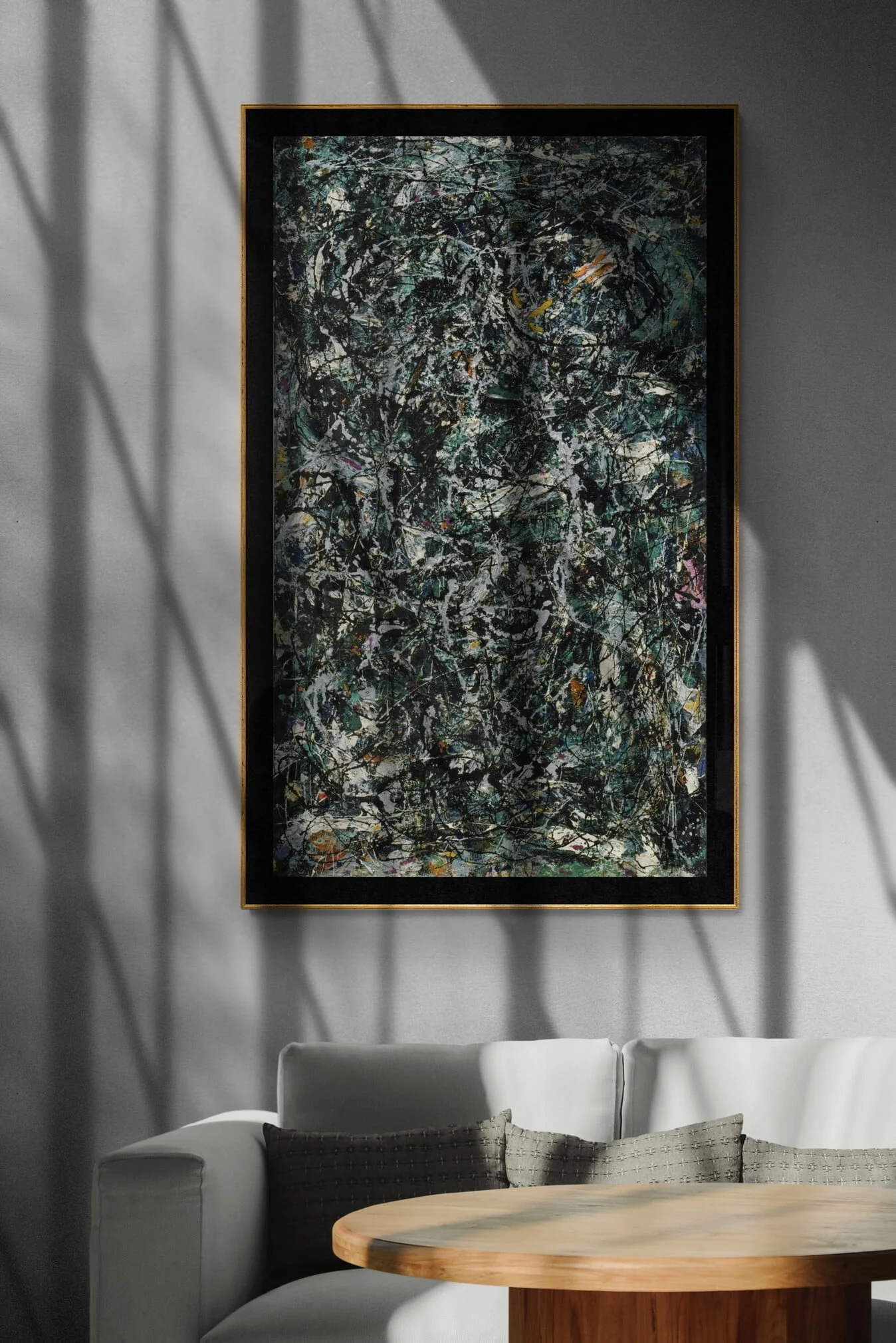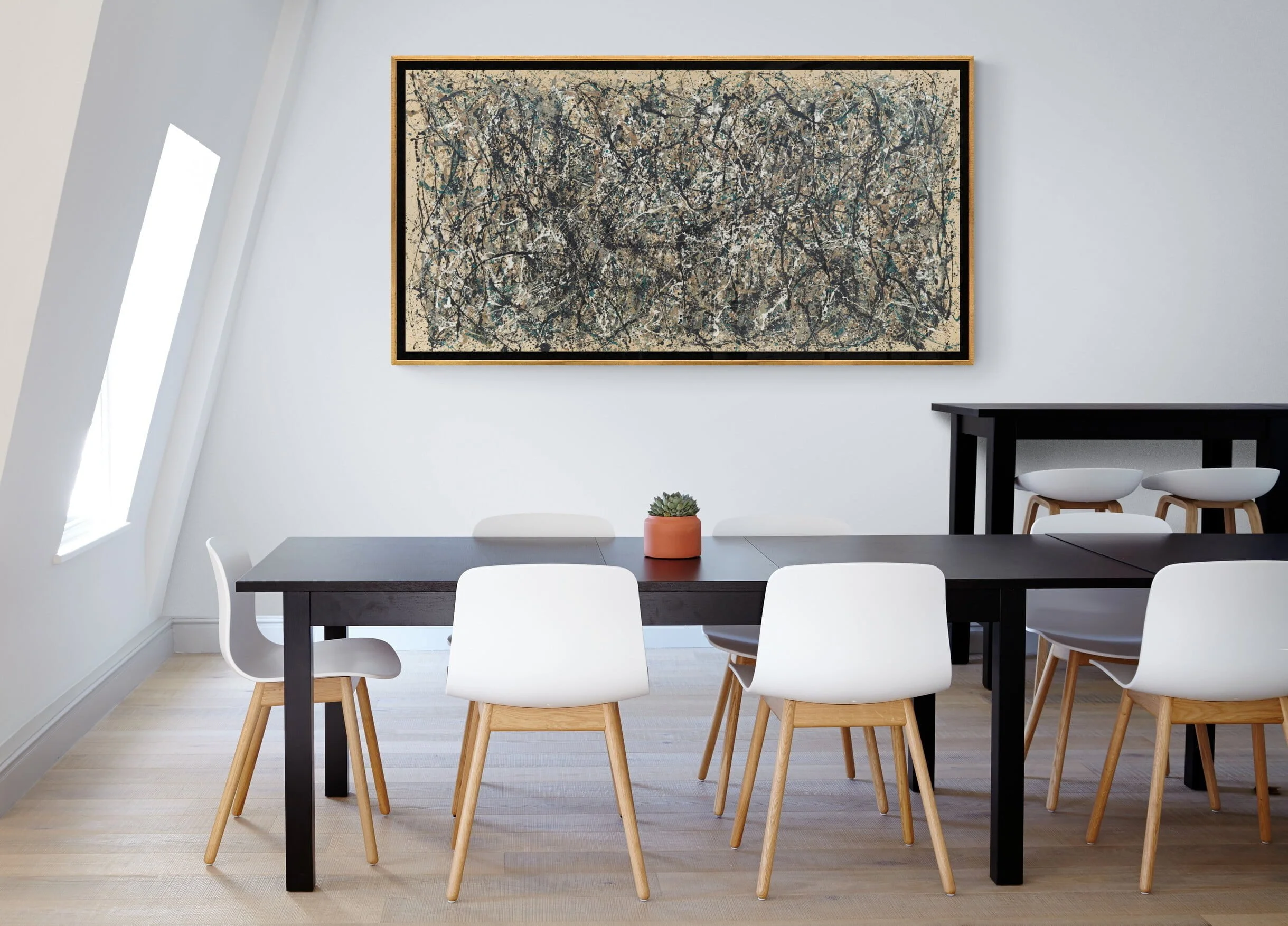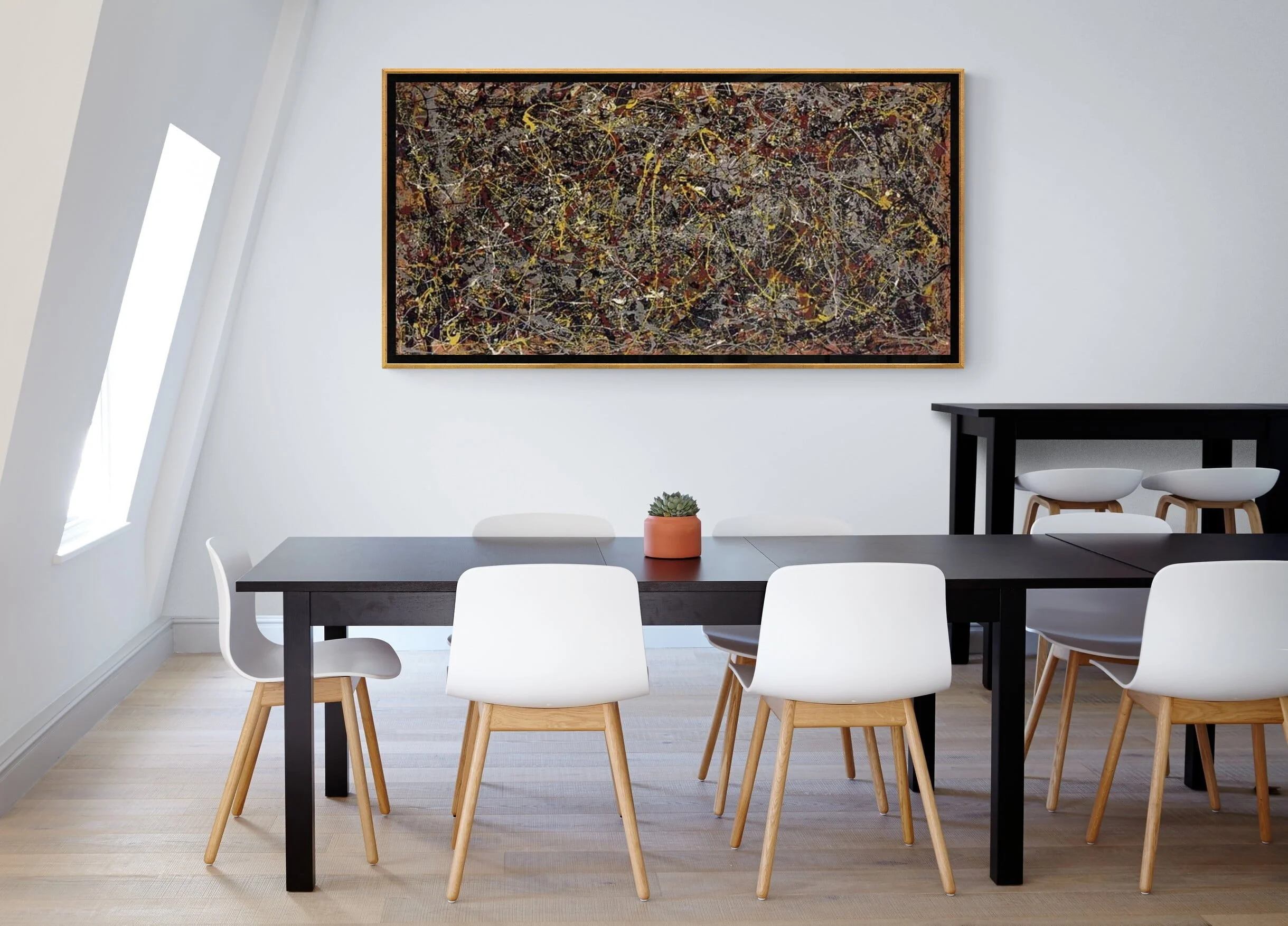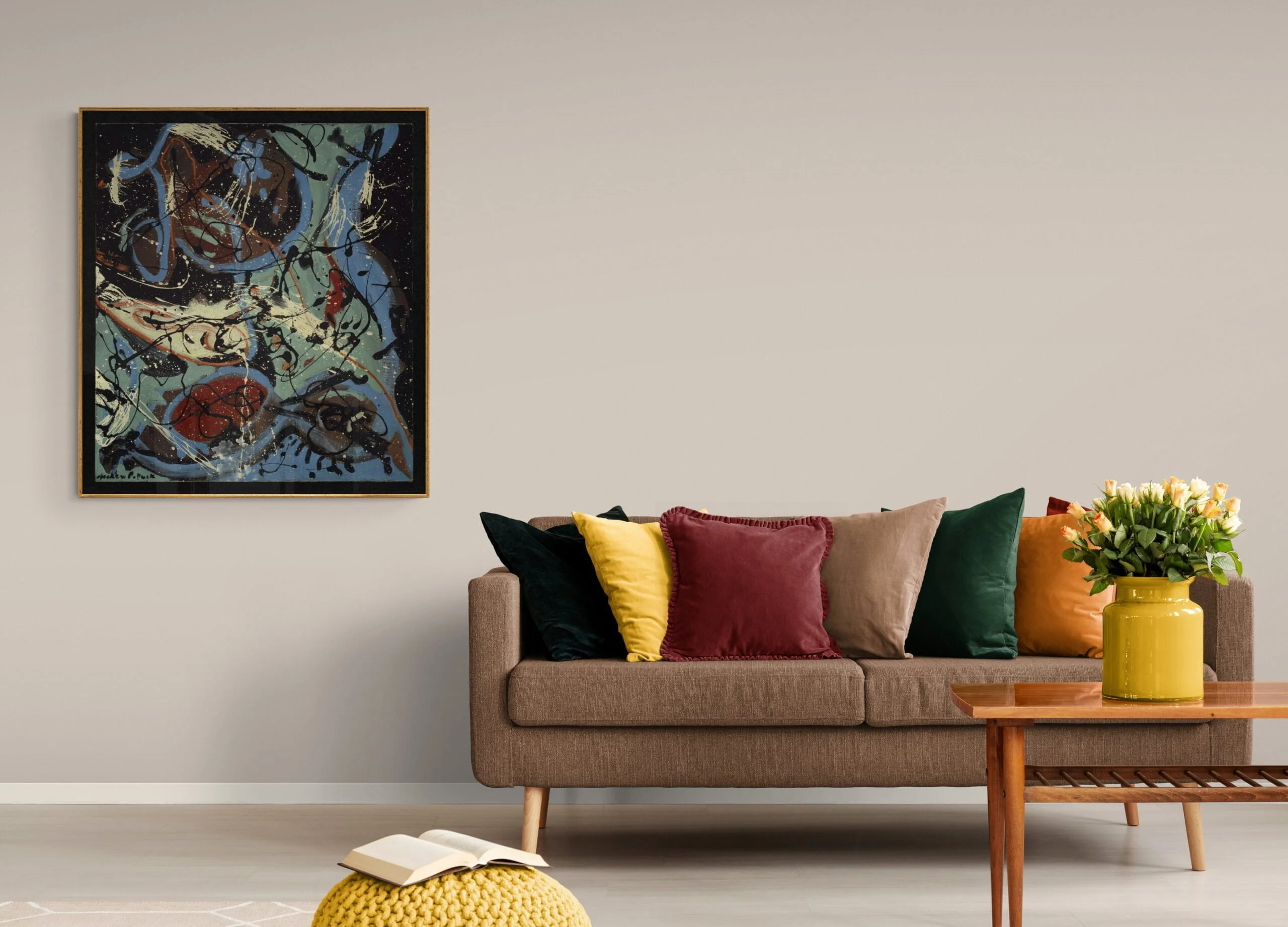



Abstract Paintings on canvas have become increasingly popular in recent years as more artists explore the possibilities of this medium. These paintings are characterized by the absence of recognizable objects or figures, instead focusing on the use of color, shape, and texture to create a sense of movement and emotion. You can browse and buy hand-painted abstract paintings on canvas in our Modern and abstract paintings category.
One key element of abstract paintings on canvas is the use of color. Artists often use bold, vibrant colors to create a sense of energy and motion in their paintings. They may also use contrasting colors to evoke a feeling of tension or drama, or employ more subdued colors to convey a sense of peace and tranquility.
Another important element of abstract paintings on canvas is the use of shape. Artists can utilize geometric shapes such as circles, squares, and triangles to create a sense of structure and order in their paintings. They can also employ more organic shapes, like curved lines and flowing forms, to convey a sense of movement and fluidity.
Texture is also a significant element for abstract paintings on canvas. Artists can employ various techniques to create texture, such as layering paint, using different brushstrokes, or even incorporating other materials like sand or glitter into their paintings. This can add depth and interest to the artwork and create a sense of movement and energy.
One of the advantages of abstract paintings on canvas is their ability to be interpreted in different ways. Viewers can see different things in the same painting based on their own experiences and perspectives. As a result, abstract paintings on canvas can be a great catalyst for conversation and also serve as a wonderful addition to any home or office.
In summary, abstract paintings on canvas are a fascinating and dynamic medium that allows artists to explore colors, shapes, and textures in new and exciting ways. Whether you want to add some color and energy to your home or office, or simply appreciate the beauty of abstract art, these paintings are sure to captivate and inspire you. The next time you’re looking for a new piece of artwork, consider an abstract painting on canvas.
Abstract Painting
Abstract painting is an art form in which the artist explores the use of color, shape, and form to create a composition that is non-representational or realistic. Instead, abstract paintings focus on the emotions and ideas that the artist wants to express using abstract elements.
One of the key characteristics of abstract painting is the use of non-objective or non-representational forms. This means that the artist does not depict recognizable objects or figures in their work. Instead, they utilize shapes, lines, and colors to create a composition that evokes emotions or conveys an idea.
Another important aspect of abstract painting is the use of color. Abstract painters often use bold, vibrant colors to create a sense of movement and energy in their works. They may also employ contrasting colors to create tension or harmony in the composition.
Abstract painting also often incorporates different brushstrokes and textures, adding depth and interest to the artwork. An artist can use thick, expressive brushstrokes to create a sense of movement and energy, or thin, delicate brushstrokes to convey a sense of gentleness and fragility.
One of the most famous abstract painters is Jackson Pollock, known for his drip and pour technique on canvas. This technique, known as “drip painting,” allowed Pollock to create highly dynamic and expressive compositions. Another renowned abstract painter is Mark Rothko, who focused on creating large canvases with blocks of color. His painting “Orange, Red, Yellow” is an excellent example of his work.
While abstract painting can be challenging to understand and appreciate, it is an important and highly valued form of art. Many critics and art historians consider abstract painting to be a powerful way for artists to express their deepest thoughts and emotions and convey these ideas to the viewer.
It should be noted that this article refers to traditional painting mediums such as oil, acrylic, and watercolor. Printing techniques like serigraphy and lithography are excluded.