



Description
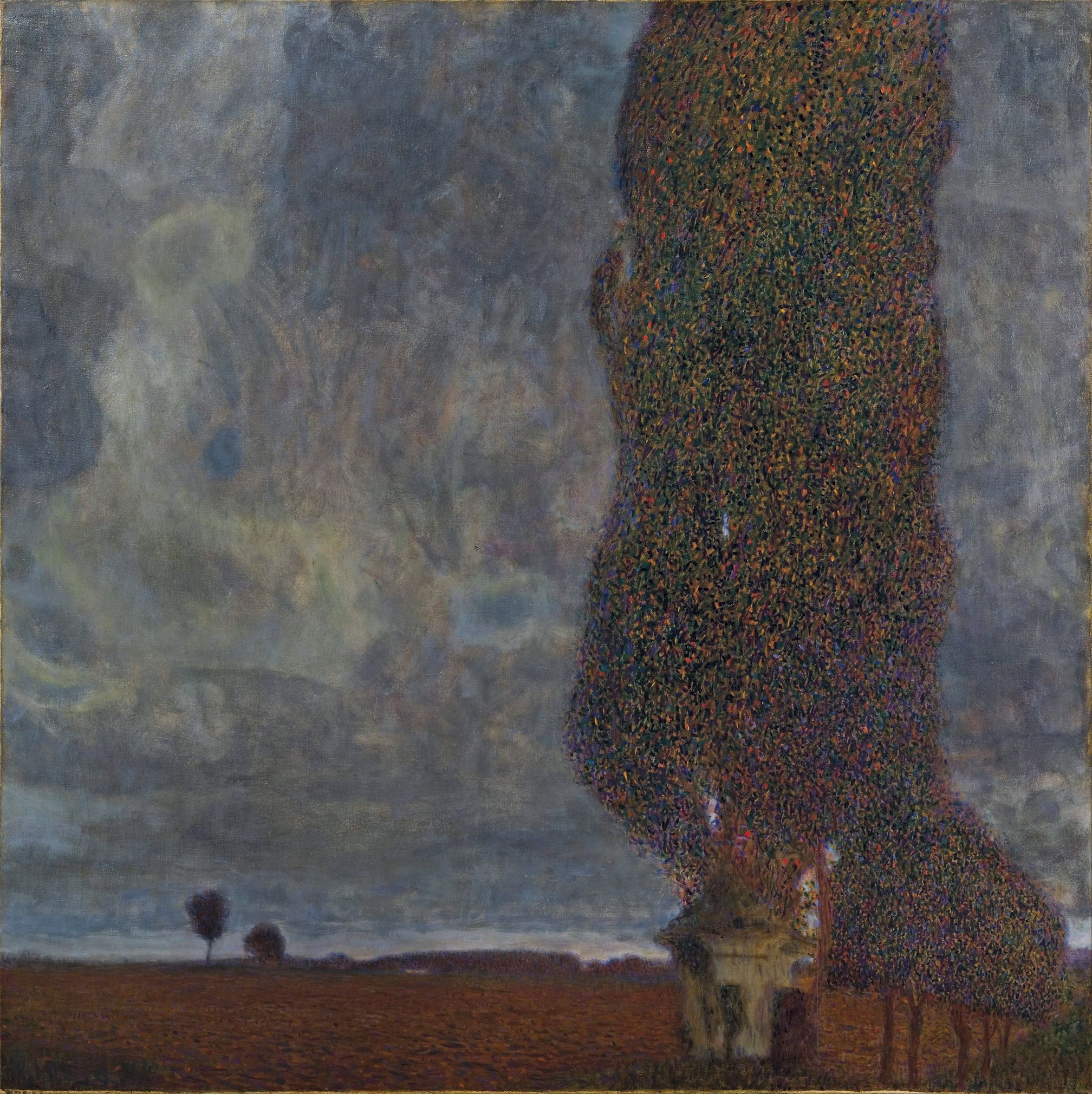
The Large Poplar II (Gathering Storm) is a square landscape by Gustav Klimt from 1902/03: a single tall poplar rises as a dark, densely dotted column against a heavy grey-violet sky, a small white chapel stands at its foot, and a dark brown field stretches across the bottom in the strange, still light before a storm. The original hangs in the Leopold Museum in Vienna. We paint it by hand in oil on canvas, in eight square sizes from 50 x 50 to 150 x 150 cm or to your own measurement, and send you a photograph of the finished work for approval before dispatch.
| Title: | The Large Poplar II (Gathering Storm) |
| Other titles: | Die große Pappel II (Aufsteigendes Gewitter) · Gathering Storm · Il grande pioppo II |
| Painter: | Gustav Klimt (1862–1918) |
| Year painted: | 1902/03 |
| Original size: | 100.8 cm x 100.8 cm |
| Original technique: | Oil on canvas |
| Painting style: | Vienna Secession, landscape |
| Located at: | Leopold Museum, Vienna (inv. 2008) |
| Our reproduction: | Hand-painted oil on canvas, eight square sizes or made to measure |
The Large Poplar II (Gathering Storm) – Gustav Klimt
What does the painting show?
A single poplar stands a little to the right of the centre and rises from the bottom edge almost to the top of the square. Klimt builds its crown from thousands of tiny dabs of dark green, brown, violet and rust, so that from a distance the tree reads as one dark, slightly trembling column. At its foot a small white chapel catches the last of the light, and a few lower trees lean against the poplar like a group of companions.
Above and behind, the sky fills more than half of the canvas: heavy grey and violet clouds, a little lighter on the left, gathering into thick bands. Below lies a dark brown field, almost empty, with a low horizon and a few tiny trees far away on the left. Nothing moves yet, but everything waits. It is the moment before a summer storm, when the air goes still and the colours turn deep and strange.
Why is it called Gathering Storm?
Because the sky is the second subject of the painting. In German the work is called Die große Pappel II (Aufsteigendes Gewitter), which means a storm that is rising or building up. Klimt paints no lightning and no rain; he paints the heavy light that comes first, when the clouds pile up and the land below darkens.
That light gives the painting its tension. The poplar is the tallest thing in a flat, open landscape, so it stands alone against the weather, and the white chapel at its foot looks small and exposed. If you have ever watched a storm approach over open fields in summer, you will recognise the pause in which everything seems to hold its breath.
What does the painting mean?
Klimt left no explanation, and the painting tells no story. You can read it simply as a landscape: a tall tree, a field, a chapel and a darkening sky, seen in the minutes before the weather breaks. It can also be read as an image of steadiness – one tall form standing upright while the sky grows heavy around it.
Either way, the painting works through contrast: the vertical poplar against the horizontal field and clouds, the dark crown against the paler sky, the small white chapel against all that weight. Klimt keeps the colours deep and muted – violet, grey, brown and dark green – so the mood stays serious but calm. It is a landscape for a room where you want depth and atmosphere rather than bright decoration.
Where is the original?
The original, painted in oil on canvas and 100.8 cm square, belongs to the Leopold Museum in Vienna, where it is one of the major Klimt works in the collection; the museum keeps it under inventory number 2008. It dates from 1902/03, from the years of Klimt’s summers at the Attersee, the large lake in Upper Austria.
If you are in Vienna, the Leopold Museum in the MuseumsQuartier is the place to see it; check the museum’s website before you go, as works are sometimes lent to exhibitions. Our 100 x 100 cm size is practically the size of the original, so your version can hang at the same scale as Klimt’s own canvas.
The Large Poplar II among Klimt’s landscapes
In our gallery this storm landscape has several relatives. Forest of Beech Trees fills the square with slim trunks and autumn leaves, Young Birches shows white birches in a summer meadow, and The Swamp is a still, dark pond from the same early years. On Lake Attersee turns the whole square into turquoise water.
Choose The Large Poplar II if you want drama and a big sky; it is the darkest and most atmospheric of these landscapes. If you would rather have calm light and summer colour, Young Birches or On Lake Attersee suit you better, and if you like the closed, quiet mood of a forest, the beech forest. More about Klimt’s life is on Wikipedia’s Klimt page.
How do we paint The Large Poplar II by hand?
The painter first draws the main lines on the canvas: the outline of the poplar, the low horizon, the edge of the field and the small chapel. Then the large areas go on in thin layers – the grey and violet sky, the brown field, the dark mass of the tree – so that the balance of light and dark is right before any detail is added.
After that the work slows down. The crown of the poplar is built up from countless small dabs of colour, as Klimt built it, so that it shimmers instead of looking flat; the clouds get soft, overlapping strokes; the chapel and the distant trees are picked out with a fine brush. A printed oil painting reproduction turns all of this into one smooth surface; painted by hand, each dab keeps its own body and catches the light. Every painting is a hand-painted copy made for your order, so no two are quite alike.
There is no gold in this landscape, and none in our version: we use oil colours only, as Klimt did.
Which size for which wall?
In short: 50 x 50 or 60 x 60 cm for a small wall, a hallway or a study; 80 x 80 or 90 x 90 cm above a chest of drawers, a desk or a bed; 100 x 100 or 120 x 120 cm above a sofa; and 138 x 138 or 150 x 150 cm for a large wall or a high room. The 100 x 100 cm size is about the size of the original.
All eight sizes are square, like Klimt’s canvas, so the composition stays exactly as he planned it, with the sky taking up the upper half. Because the painting is dark and full of atmosphere, it gains from size: from 100 x 100 cm up, the storm sky really fills your view. As a painting for the living room, 120 x 120 cm above a three-seat sofa gives the poplar real presence. In a study or a library its deep colours sit well with wood, books and leather.
Hang it with the centre of the canvas about 150 to 160 cm above the floor; over furniture, leave 20 to 30 cm between the top of the furniture and the lower edge of the canvas. A dark painting like this one looks best in good light: a small wall lamp above it, or daylight from the side, brings out the many layers of colour.
Custom size, stretcher and frame
If none of the eight sizes fits your wall, we paint it to measure; keep it square, or close to square, so the poplar is not stretched. Send us the width and height you want and we will quote the price and delivery time. Every painting we make is stretched on a wooden stretcher frame and ready to hang.
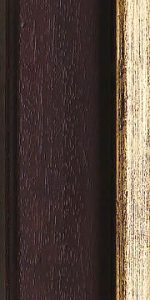
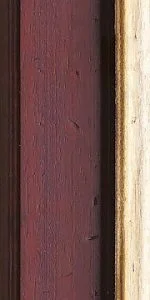
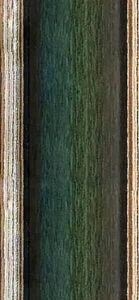
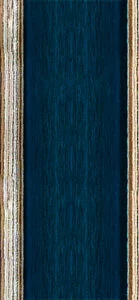
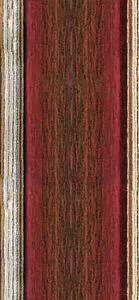
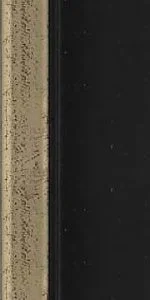
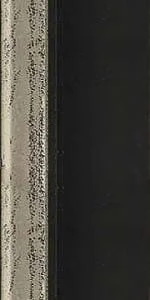
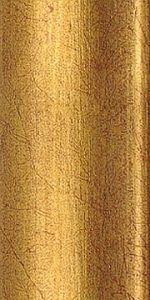
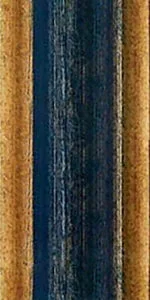
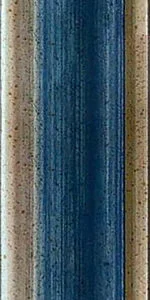
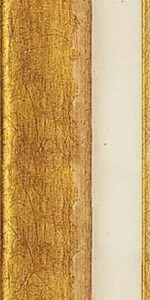
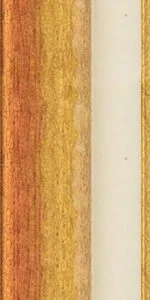
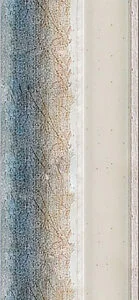
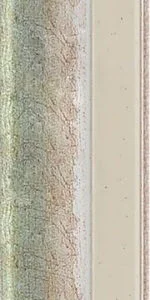
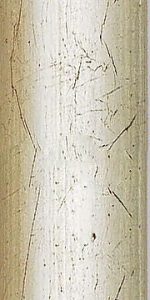
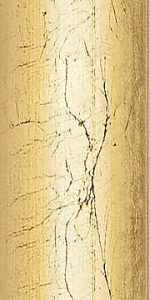
For the moulding, use our 3D application: it shows every one of our frame profiles on this subject, so you can compare gold, silver, black, white and natural wood before deciding – the application is for choosing the frame only. If you would like to see how the painting will look on your own wall, that is our separate room placement service. A dark wood frame suits the deep browns of the field; a thin black frame makes the storm sky look even heavier, and an old-silver frame picks up the grey of the clouds.
Delivery and guarantee
Every painting is made to order in our studio in Slovenia, so allow 15 to 45 days depending on the size you choose. We ship it stretched and protected for transport, framed if you chose a frame, across the EU with no customs. Before dispatch you receive a photograph of the finished work to approve; if anything is not right, we correct it while the canvas is still in our workshop. Our returns policy applies to every order.
If it is a gift and you are not sure of the size, there is our gift voucher. More of Klimt’s work is in our Gustav Klimt gallery, and more about the painter in our article 10 interesting facts about Gustav Klimt.
Frequently asked questions
Where is the original of Klimt’s The Large Poplar II?
The original hangs in the Leopold Museum in Vienna, under inventory number 2008. It is painted in oil on canvas and measures 100.8 cm square. Because museums sometimes lend works to exhibitions, check the Leopold Museum’s website before you visit. Our 100 x 100 cm size is practically the size of the original, and we paint it by hand to order.
When did Klimt paint The Large Poplar II?
Klimt painted it in 1902/03, in the years when he spent his summers at the Attersee in Upper Austria. It belongs to his early square landscapes, painted in deep natural colours rather than in the gold of his famous portraits, and it is one of the major Klimt works in the Leopold Museum in Vienna.
What does Klimt’s The Large Poplar II show?
It shows a single tall poplar rising as a dark, densely dotted column against a heavy grey-violet storm sky. A small white chapel stands at its foot, a dark brown field stretches across the bottom, and a few small trees mark the low horizon on the left. Everything in the landscape seems to wait for the storm.
Why is The Large Poplar II called Gathering Storm?
Because the sky matters as much as the tree. The German title, Aufsteigendes Gewitter, means a rising storm: Klimt paints the heavy light before the weather breaks, when clouds pile up and the field darkens. There is no rain or lightning yet, only the still, charged pause that comes just before them.
Is there gold in The Large Poplar II?
No, there is no gold in this landscape. It is painted in deep natural colours – violet, grey, dark green, brown and the white of the chapel – and its glow comes from the many small dabs of colour, not from metal leaf. We therefore paint our version in oil colours only, without gold paint.
Which size of The Large Poplar II suits my wall?
For a small wall, a hallway or a study, 50 x 50 or 60 x 60 cm works well. Above a chest of drawers, a desk or a bed choose 80 x 80 or 90 x 90 cm, above a sofa 100 x 100 or 120 x 120 cm, and for a large wall 138 x 138 or 150 x 150 cm. The 100 x 100 cm size equals the original.
Which room suits The Large Poplar II?
It suits a living room, a study, a library or a hallway with good light – anywhere you want depth and atmosphere. As a canvas painting it pairs well with warm wood, dark green or grey-blue walls, books and leather. Because its colours are deep, give it a calm, uncluttered wall and some light from the side.
Which Klimt landscapes go well with The Large Poplar II?
Forest of Beech Trees, Young Birches, The Swamp and On Lake Attersee all belong to Klimt’s square landscapes and share its format. The Swamp is closest in mood, dark and still, while Young Birches and On Lake Attersee are lighter. Hung in the same size, two of them make a strong, contrasting pair on one wall.
Is The Large Poplar II a good gift?
Yes, especially for someone who likes landscapes with atmosphere, stormy skies or Klimt’s quieter side rather than his famous gold. The square format fits almost any wall, and the subject is serious but calm. If you are not sure of the size, choose 100 x 100 cm, about the size of the original, or give a voucher so the recipient can choose.
- Subject: a tall dark poplar with a small white chapel at its foot, a brown field and a heavy grey-violet storm sky.
- Original: 1902/03, oil on canvas, 100.8 x 100.8 cm, Leopold Museum, Vienna.
- Our version: a Klimt reproduction painted by hand in oil on canvas, in eight square sizes or made to measure.
- Good to know: before dispatch you receive a photograph of the finished work for approval.