










Description
Portrait of Fräulein Lieser is one of the last portraits Gustav Klimt worked on, in 1917: a young woman stands facing us, her dark hair framing a pale face, in a turquoise-green dress with a long cape of bright blue, red, pink and yellow flowers around her shoulders, against a glowing orange-red background. Considered lost for almost a hundred years, it was sold at auction in Vienna in 2024 for 30 million euros and now belongs to a private collector. We paint it by hand in oil on canvas, in four upright sizes from 40 x 70 to 70 x 130 cm or to your own measurement, and send you a photograph of the finished work for approval before dispatch.
| Title: | Portrait of Fräulein Lieser |
| Other titles: | Fräulein Lieser · Portret gospodične Lieser · Lieser kisasszony portréja |
| Painter: | Gustav Klimt (1862–1918) |
| Year painted: | 1917 |
| Original size: | 140 cm x 80 cm |
| Original technique: | Oil on canvas |
| Painting style: | Vienna Secession, late portrait |
| Located at: | Private collection |
| Our reproduction: | Hand-painted oil on canvas, four upright sizes or made to measure |
Portrait of Fräulein Lieser – Gustav Klimt
What does the painting show?
A young woman stands in front of us, upright and still, turned directly towards the viewer. Her dark hair frames a pale, calm face, and her gaze goes straight out of the canvas. She wears a turquoise-green dress, and over her shoulders falls a long cape covered with large, bright flowers in blue, red, pink and yellow, which opens around her like a frame.
Behind her there is no room and no furniture, only an intense orange-red ground laid on with loose, visible brushwork. That fiery colour makes the cool green of the dress and the pale face stand out even more. In a few small places the canvas is not quite finished, because Klimt was still working on it when he died, and those open passages give the portrait a fresh, unforced look.
Who is the young woman in the portrait?
The portrait was commissioned by the Lieser family, a wealthy Jewish family of industrialists in Vienna. Which member of the family it shows is still debated, so the honest answer is that it portrays a young woman of the Lieser family; the title calls her simply Fräulein, or Miss, Lieser.
For a buyer, that open question takes nothing away from the painting – quite the opposite. You do not need to know her name to feel her presence: she stands upright, dressed for her portrait, and meets your eye. Many people choose this work for exactly that reason, because it is a likeness of a real young woman from Vienna a century ago that still feels alive today.
Why the flowered cape and the orange-red background?
Because Klimt built the whole painting out of colour. In his late portraits he left behind the gold of his famous earlier years and worked with strong, clear colours instead, often setting a figure against a flat, glowing ground. Here the cape takes over the decorative role that gold once played: its flowers in blue, red, pink and yellow form a bright, patterned band around the figure.
The orange-red background pushes everything forward. Warm against cool, it makes the turquoise dress glow and lets the pale face catch the eye first, even from across a room. That helps at home too: the painting reads clearly from a distance and keeps its energy whether it hangs in a hallway or above a sofa.
A painting lost for almost a hundred years
Klimt painted the portrait in 1917, in oil on canvas, 140 cm high and 80 cm wide. When he died in 1918 it was still in his studio, unsigned and unfinished in a few small parts. It was shown publicly at an exhibition in Vienna in 1925, and after that it vanished from view: for almost a hundred years it was considered lost.
The portrait then resurfaced in Austria, and in April 2024 the Viennese auction house im Kinsky sold it for 30 million euros to a private collector. Its story is summarised on Wikipedia. Because the original is in private hands, it cannot be visited in a museum, which is one reason people like to have it on their own wall. Our version is not a print: it is painted for you, by hand, in the size you choose.
Portrait of Fräulein Lieser among Klimt’s last portraits
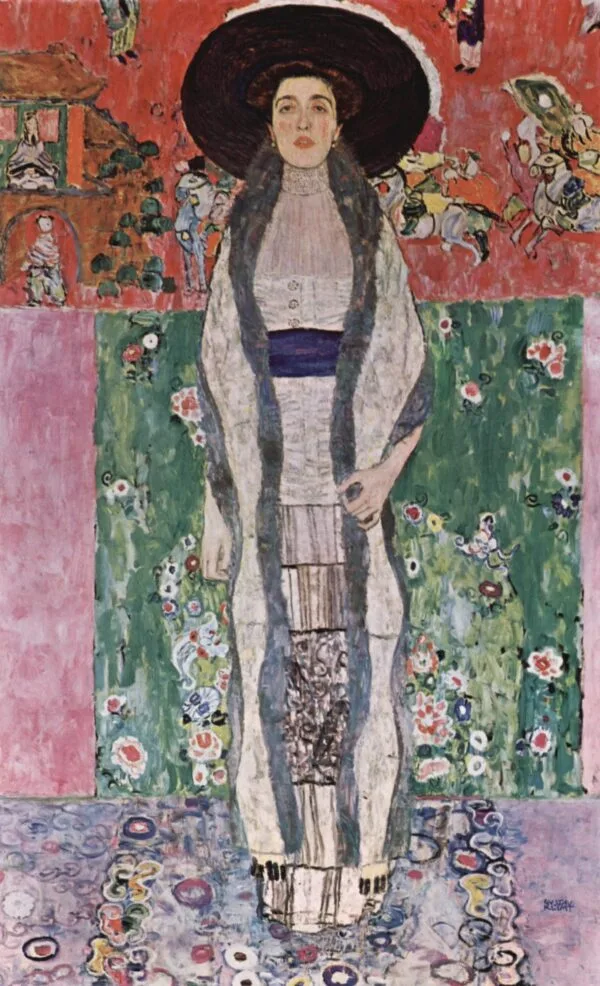
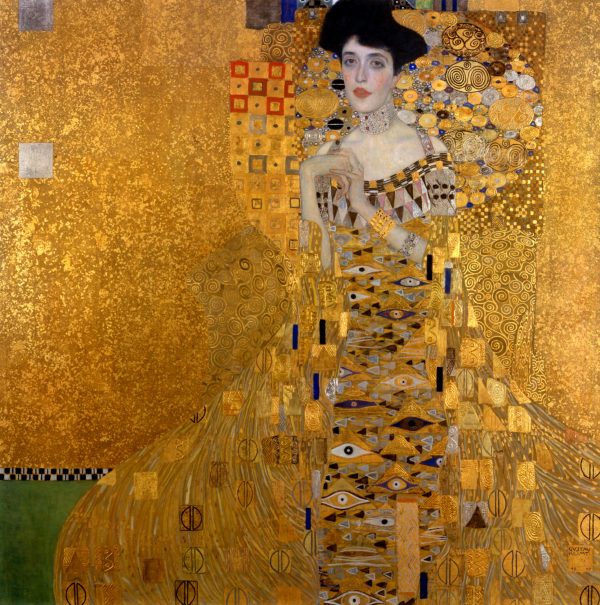
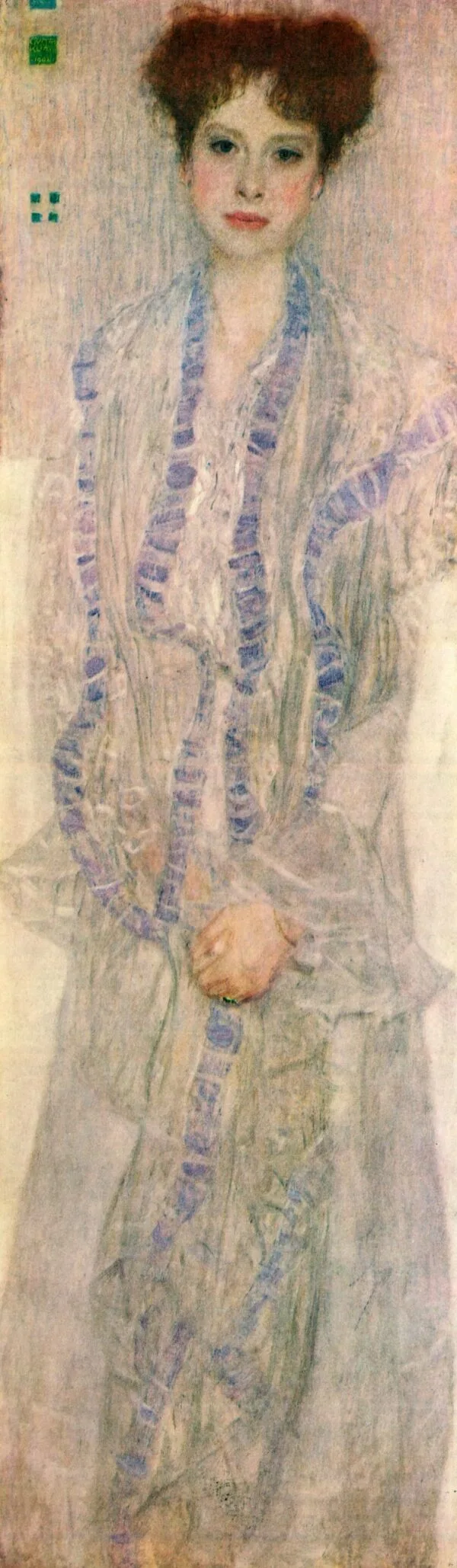
In the final years of his life Klimt painted a series of women in vivid colour, and you can follow it in our gallery. Portrait of Johanna Staude shows a young woman with a black boa against a similar orange-red ground; Lady in White is pale and light and was also left unfinished; The Dancer is crowded with flowers and pattern, and Lady with a Fan sets a woman against a background of birds and blossoms.
Among them, Fräulein Lieser stands out for its upright, standing figure on a tall, narrow canvas. Choose it if you want strong, warm colour and a figure with presence on a high wall; if you prefer a smaller, more intimate face, Johanna Staude may suit you better. More about the painter’s life is on Wikipedia’s Klimt page.
How do we paint Portrait of Fräulein Lieser by hand?
The painter first draws the figure, the head and the outline of the cape, so that the face sits at the right height and the proportions match the original. Next comes the orange-red background, laid on with loose, visible strokes, because its movement is part of the effect. Then follow the turquoise dress and the cape, each flower painted separately in blue, red, pink and yellow.
The face comes last and with the greatest care, because it carries the whole portrait. Where Klimt left a few small passages unfinished, we keep them open rather than inventing a finish he never painted. A printed oil painting reproduction flattens the brushwork; painted by hand, every stroke keeps its texture. Every painting is a hand-painted copy made for your order, so no two are quite alike.
There is no gold in this portrait, so we paint it in oil colours only, just as Klimt did.
Which size for which wall?
In short: 40 x 70 or 50 x 90 cm for a narrow wall, a hallway or the space beside a door; 60 x 110 or 70 x 130 cm for a living-room or bedroom wall where the figure should hold the space. The original is larger than all four: 80 cm wide and 140 cm high.
There are four upright sizes – 40 x 70, 50 x 90, 60 x 110 and 70 x 130 cm – and the first number is the width. All of them stay close to the tall, narrow proportions of the original, so the standing figure and the long cape are never squeezed. A standing portrait works best where you see it from a few steps away, at the end of a corridor or on the wall facing a door. A smaller 50 x 90 cm suits a bedroom or a study; as a painting for the living room, 70 x 130 cm gives the figure real presence beside a sofa or between two windows.
Hang it with the centre of the canvas about 150 to 160 cm above the floor; over furniture, leave 20 to 30 cm between the top of the furniture and the lower edge of the canvas.
Custom size, stretcher and frame
If none of the four sizes fits your wall, we paint it to measure; keep it upright and close to the proportions of the original. Send us the width and height you want and we will quote the price and delivery time. Every painting we make is stretched on a wooden stretcher frame and ready to hang.
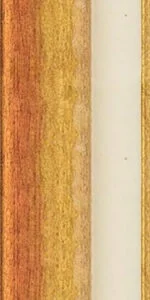
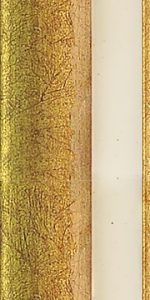
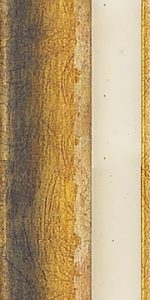
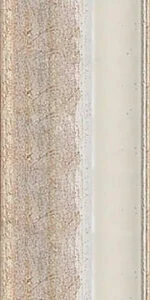
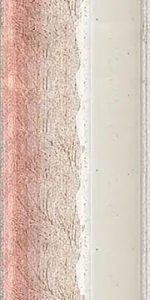
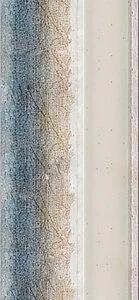
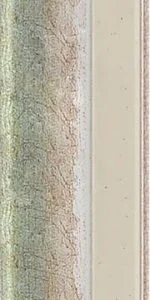
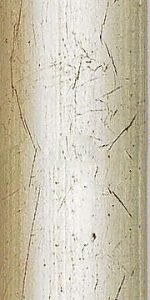
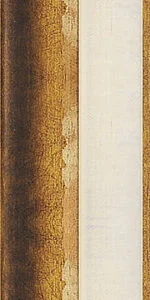
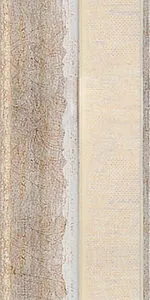
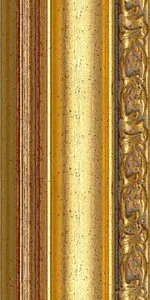
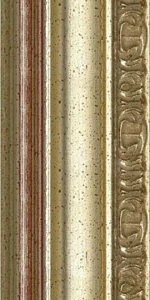
For the moulding, use our 3D application: it shows every one of our frame profiles on this subject, so you can compare gold, silver, black, white and natural wood before deciding – the application is for choosing the frame only. If you would like to see how the painting will look on your own wall, that is our separate room placement service. A narrow dark frame calms the bright cape; a warm gold or wooden frame picks up the orange-red ground.
Delivery and guarantee
Every painting is made to order in our studio in Slovenia, so allow 15 to 45 days depending on the size you choose. We ship it stretched and protected for transport, framed if you chose a frame, across the EU with no customs. Before dispatch you receive a photograph of the finished work to approve; if anything is not right, we correct it while the canvas is still in our workshop. Our returns policy applies to every order.
If it is a gift and you are not sure of the size, there is our gift voucher. More of Klimt’s work is in our Gustav Klimt gallery, and more about the painter in our article 10 interesting facts about Gustav Klimt.
Frequently asked questions
Where is the original Portrait of Fräulein Lieser?
The original belongs to a private collector. It was sold in April 2024 by the Viennese auction house im Kinsky for 30 million euros, after almost a hundred years in which it was considered lost. Because it is in private hands, it is not on permanent public view, so a hand-painted version is the easiest way to live with this portrait every day.
Who is Fräulein Lieser in the painting?
The sitter is a young woman of the Lieser family, a wealthy Jewish industrialist family in Vienna that commissioned the portrait. Exactly which member of the family it shows is still debated by historians, so the painting is known simply as Fräulein, or Miss, Lieser. Her name is uncertain; her calm, direct presence is not.
When did Klimt paint Fräulein Lieser?
Klimt painted the portrait in 1917, one of the last years of his life. He died in 1918 with the canvas still in his studio, unsigned and unfinished in a few small parts. It belongs to the group of late portraits in which he replaced gold with strong, bright colour, like those of Johanna Staude and the Lady in White.
How was the Portrait of Fräulein Lieser rediscovered?
The portrait was last seen publicly at an exhibition in Vienna in 1925 and was then considered lost for almost a hundred years. It resurfaced in Austria, and in April 2024 the Viennese auction house im Kinsky sold it for 30 million euros to a private collector. That story is part of its charm: a painting that almost vanished hangs on a wall again.
Is the Portrait of Fräulein Lieser unfinished?
Only in a few small parts. When Klimt died in 1918 the portrait was still in his studio and had not been signed, and a few passages had not received their final layer. The figure, the face, the dress and the flowered cape read as complete. On our copy we keep those small open passages as they are, rather than inventing a finish.
Is there gold in the Portrait of Fräulein Lieser?
No, there is no gold in this portrait. Like most of Klimt’s late works it is painted in strong colour: orange-red, turquoise-green, blue, pink and yellow, with a pale face at the centre. That is why we paint our version in oil colours only, without gold paint, so the balance of colour stays as warm and bright as in the original.
Which size of Fräulein Lieser suits my wall?
For a narrow wall, a hallway or the space beside a door, 40 x 70 or 50 x 90 cm works well. A living-room or bedroom wall takes 60 x 110 cm, and 70 x 130 cm suits a large wall where the standing figure should dominate. All four sizes stay close to the tall proportions of the original, and we also paint to measure.
Which room suits the Portrait of Fräulein Lieser?
It suits a living room, a hallway, a study or a bedroom – anywhere you want warm colour and a figure that meets your eye. As a canvas painting it brings life to white or grey walls and pairs well with dark wood, brass and green plants. For a small room choose 50 x 90 cm, for a larger one 70 x 130 cm.
Is the Portrait of Fräulein Lieser a good gift?
Yes, for anyone who loves portraits, bright colour or Klimt beyond his famous gold. Its unusual story – lost for almost a century, then found again – makes it a painting people like to talk about. If you are not sure of the size, choose 50 x 90 cm, which fits most homes, or give a voucher so the recipient can choose.
- Subject: a young woman of the Lieser family, standing in a turquoise-green dress and a cape of bright flowers against an orange-red ground.
- Original: 1917, oil on canvas, 140 x 80 cm, private collection.
- Our version: a Klimt reproduction painted by hand in oil on canvas, in four upright sizes or made to measure.
- Good to know: before dispatch you receive a photograph of the finished work for approval.