












Description
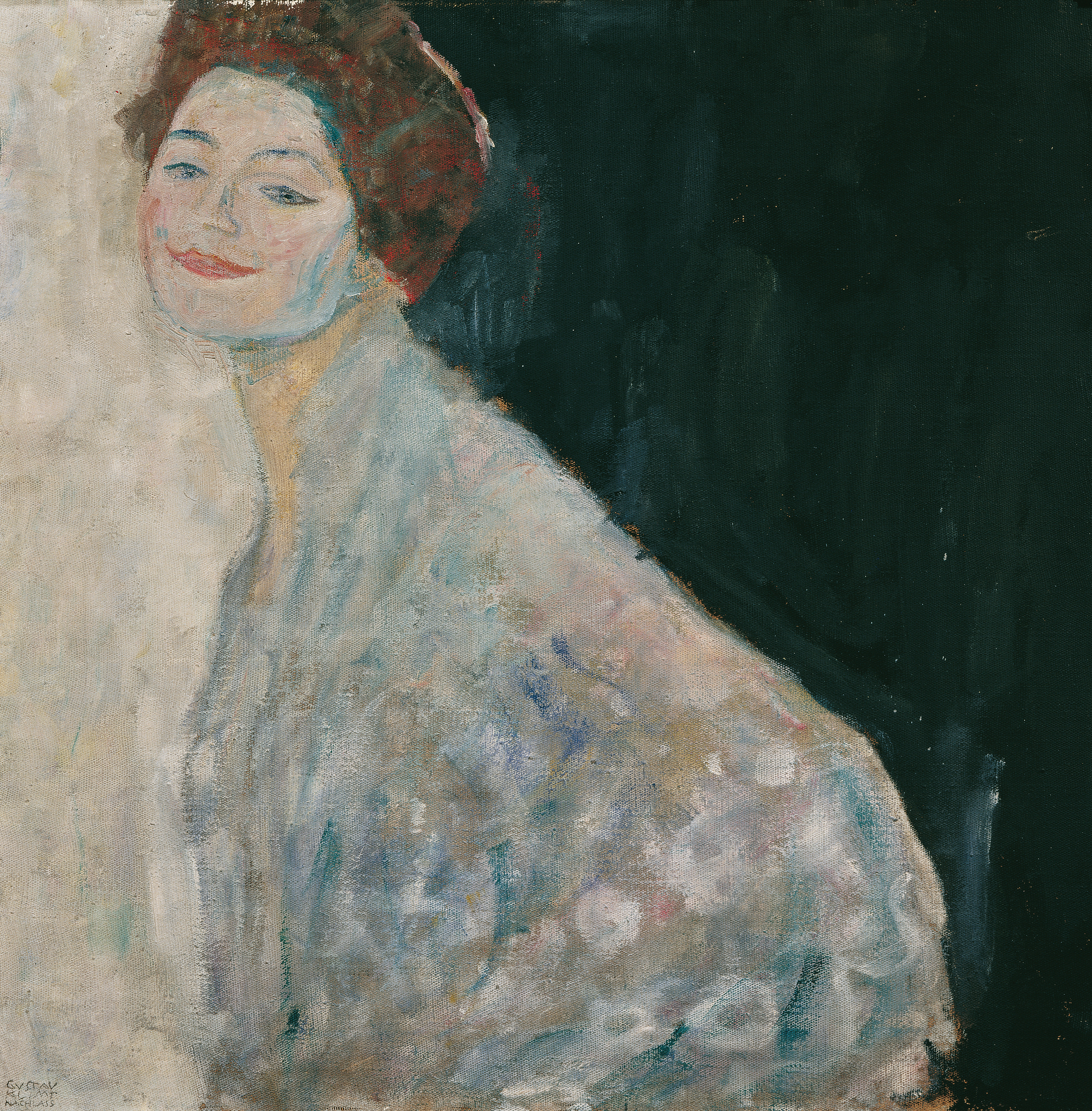
Lady in White is one of the paintings Gustav Klimt left unfinished in his studio when he died in 1918: a smiling young woman with reddish hair, turned in three-quarter profile, wrapped in a pale white and lilac garment against a dark green-black field. Because it was never completed, you can see how Klimt built a portrait, straight on the bare canvas. The original hangs in the Upper Belvedere in Vienna. We paint it by hand in oil on canvas, in eight square sizes from 60 x 60 to 150 x 150 cm or to your own measurement.
| Title: | Lady in White |
| Other titles: | Dame in Weiß · Signora in bianco · Dama v belem |
| Painter: | Gustav Klimt (1862–1918) |
| Year painted: | 1917/1918 |
| Original size: | 70 cm x 70 cm |
| Original technique: | Oil on canvas, unfinished |
| Painting style: | Vienna Secession, late work |
| Located at: | Upper Belvedere, Vienna (inv. 4286) |
| Our reproduction: | Hand-painted oil on canvas, eight square sizes or made to measure |
Lady in White – Gustav Klimt
What does the painting show?
A young woman is seen half-length, turned in three-quarter profile, and she is smiling. Her reddish hair is loosely gathered above a pale face; her shoulders and the upper part of her body disappear into a soft, shimmering garment of white and light lilac that fills the whole lower half of the square canvas. On the right, a deep green-black field stands behind her like a dark curtain.
A diagonal runs through the composition and divides the light part from the dark one, which gives the calm figure a quiet movement. There is no pattern, no ornament and no gold here – only a few colours, large soft areas and a face. That simplicity is its charm: it feels light, airy and surprisingly modern.
Why is the painting unfinished?
Because Klimt died in February 1918 while it was still on his easel. After his death it was found in his studio together with other canvases he had not completed. The Belvedere dates it to 1917 and 1918, which makes it one of the very last works of his life.
For a viewer this is a gift rather than a flaw. Klimt painted directly on raw, unprimed canvas, and in the unfinished areas you can still see it. Under the hair he laid in red, under the face and neck yellow, and only then built the final skin tones on top. Studies with X-rays and infrared show that he reworked the hair and the face more than once. Few paintings show so openly how a portrait grows.
Who is the Lady in White?
Nobody knows for certain. The museum gives no name, and the painting has always carried a descriptive title. Some art historians suggest that the model may be Ria Munk, a young Viennese woman whom Klimt painted in other works too, but this remains a possibility, not a fact.
For most owners the open question is part of the charm. Without a famous name attached, the woman becomes simply a smiling face in white, and that makes the portrait easy to live with: it does not demand knowledge of history, it just brightens a wall.
Where is the original?
The original is an oil on canvas of 70 x 70 cm, owned by the Belvedere in Vienna and shown in the Upper Belvedere, inventory number 4286. After Klimt’s death it passed to the painter Broncia Koller-Pinell, then to her son Hugo Koller, and in 1948 it was bought by the Austrian state gallery, today’s Belvedere. More about the painter’s life is on Wikipedia.
If you plan a visit, check the museum’s website first, because works are sometimes moved or lent. Our version is not a print: it is painted for you, by hand, in the size you choose.
Lady in White among Klimt’s portraits of women
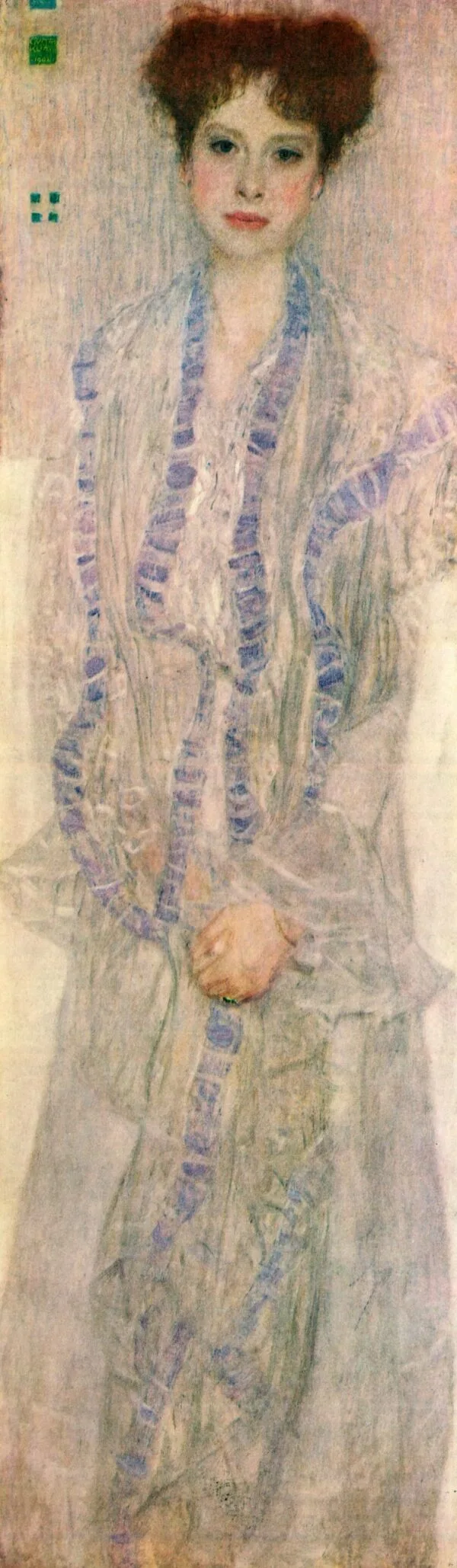
Klimt painted women all his life, and our gallery shows how much his style changed. The soft, misty Portrait of Sonja Knips and the elegant Portrait of Hermine Gallia are early, full figures in pale dresses. The colourful Portrait of Adele Bloch-Bauer II stands for the patterned late style. The Dancer is also connected by some historians with Ria Munk.
Lady in White is the quietest of them all. Choose it if you want light, calm colour and a square format that sits easily on any wall; if you would rather have rich pattern and strong colour, Adele Bloch-Bauer II or The Dancer will suit you better.
How do we paint Lady in White by hand?
The painter starts with the diagonal that divides light from dark, then places the head and shoulders so the three-quarter turn matches the original. The green-black field is painted first and kept deep and even. The white and lilac garment follows in soft, layered strokes, so that it shimmers rather than looking flat.
Then comes the face. We paint the warm underlayers that show through, red in the hair and yellow in the skin, and leave the unfinished areas as open as Klimt left them, including the tone of the bare canvas, instead of inventing a finish he never painted. A printed oil painting reproduction cannot show these thin layers; by hand, every stroke keeps its texture. Every painting is a hand-painted copy made for your order, so no two are ever quite the same.
There is no gold in this painting, so we paint it in oil colours only, just as Klimt did.
Which size for which wall?
Short answer: 60 x 60 or 70 x 70 cm for a small wall, a hallway or beside a bed, 80 x 80 or 90 x 90 cm above a sofa, a sideboard or a desk, 100 x 100 to 120 x 120 cm for a large living room wall, and 150 x 150 cm for an open-plan space or a staircase. 70 x 70 cm is exactly the size of the original.
All eight sizes are square: 60 x 60, 70 x 70, 80 x 80, 90 x 90, 100 x 100, 110 x 110, 120 x 120 and 150 x 150 cm, so the diagonal and the head stay exactly where Klimt placed them. A square works especially well above long furniture, where it balances the width without crowding it. Because the painting is light and calm, it can go larger than you might expect; as a painting for the living room, 100 x 100 cm above a sofa feels generous but never heavy.
Hang it with the centre of the canvas about 150 to 160 cm above the floor; above furniture, leave 20 to 30 cm between the top of the piece and the lower edge of the canvas.
Custom size, stretcher and frame
If none of the eight sizes fits your wall, we paint it to measure; keep it square or close to square, so the composition does not change. Send us the width and height you want and we will quote a price and a lead time. Every painting we make is stretched over a wooden stretcher and ready to hang.
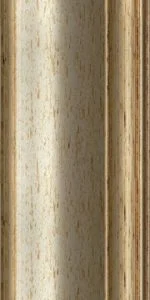
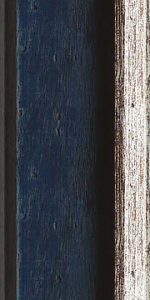
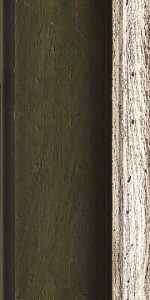
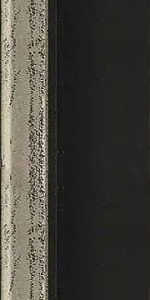
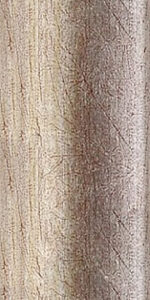
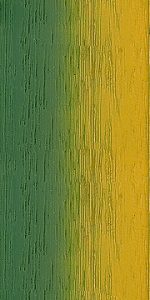
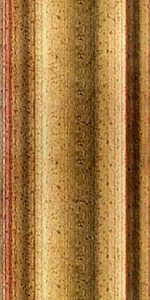
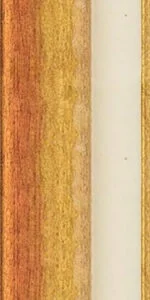
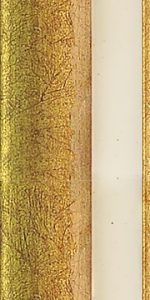
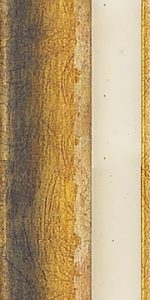
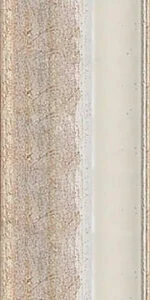
For the moulding, use our 3D application: it shows every one of our frame profiles on this subject, so you can compare gold, silver, black, white and natural wood before deciding – the application is for choosing the frame only. If you would like to see how the painting will look on your own wall, that is our separate room placement service. A white or pale wood frame keeps it airy; a thin silver frame echoes the lilac; a black one strengthens the dark field.
Delivery and guarantee
Every painting is made to order in our studio in Slovenia, so allow 15 to 45 days depending on the size you choose. We ship it stretched and protected for transport, framed if you chose a frame, across the EU with no customs. Before dispatch you receive a photograph of the finished work to approve; if anything is not right, we correct it while the canvas is still in our workshop. Our returns policy applies to every order.
If it is a present and you do not know the right size, there is a wall art voucher. Every other Klimt work we paint is in the Gustav Klimt gallery, and there is more on the painter in our article ten interesting facts about Gustav Klimt.
Frequently asked questions
Where is the original Lady in White?
The original belongs to the Belvedere in Vienna and is shown in the Upper Belvedere, inventory number 4286. It is an oil on canvas of 70 x 70 cm from 1917 and 1918. The museum bought it in 1948. If you plan a visit, check the website first, because not every painting is on display every day.
Who is the woman in Lady in White?
Her identity is not known for certain. Some art historians think the model may be Ria Munk, a young Viennese woman connected with other Klimt works, but this is a suggestion, not a fact. The painting has always been known by its descriptive title, which describes her pale garment rather than her name.
Is Lady in White finished?
No. Klimt was still working on it when he died in February 1918, and it was found in his studio afterwards. Parts of the bare canvas and the warm underpainting are still visible. On our copy we keep those open areas as they are, instead of inventing a finish that Klimt himself never painted.
When did Klimt paint Lady in White?
The Belvedere dates it to 1917 and 1918, the last two years of Klimt’s life. That makes it one of his very last works. Its light colours, the simple shapes and the absence of gold and ornament show how his style was still changing right up to the end of his career.
Why does Lady in White look so pale and soft?
Because Klimt painted it directly on raw, unprimed canvas and never finished it. The garment is a thin, shimmering mix of white and lilac, and red and yellow underlayers still show through in the hair and the face. X-ray and infrared studies reveal that he reworked the hair and face, so the surface stays light and open.
Is there gold in Lady in White?
No, there is no gold in this painting. It is made of a few colours only: white, light lilac, warm skin tones, reddish hair and a dark green-black field. We therefore paint our version in oil colours only, without gold paint, so that its quiet, airy balance stays the same as in the original.
Which size of Lady in White suits my wall?
For a small wall, a hallway or beside a bed, 60 x 60 or 70 x 70 cm works well; 70 x 70 cm is the size of the original. Above a sofa or sideboard choose 80 x 80 to 100 x 100 cm, and for a large wall 120 x 120 or 150 x 150 cm. All eight sizes are square.
Which room suits Lady in White?
It suits a bedroom, a living room, a study or a calm hallway, anywhere you want light and a gentle face rather than strong pattern. As a canvas painting it works beautifully on white, beige or soft grey walls and with light wood. In a small room choose 60 x 60 cm; above a sofa, 100 x 100 cm.
Is Lady in White a good gift?
Yes, for anyone who likes calm, light interiors or Klimt beyond the famous gold. The square format fits almost any wall, and the smiling face makes it a warm, personal present. If you are unsure of the size, 70 x 70 cm is a safe choice, or give a voucher so they can choose themselves.
- Subject: a smiling young woman with reddish hair in a pale white and lilac garment, in front of a dark green-black field.
- Original: 1917/1918, oil on canvas, unfinished, 70 x 70 cm, Upper Belvedere, Vienna.
- Ours: a Klimt reproduction painted by hand in oil on canvas, in eight square sizes or made to measure.
- Worth knowing: you receive a photograph of the finished work for approval before dispatch.