




Description
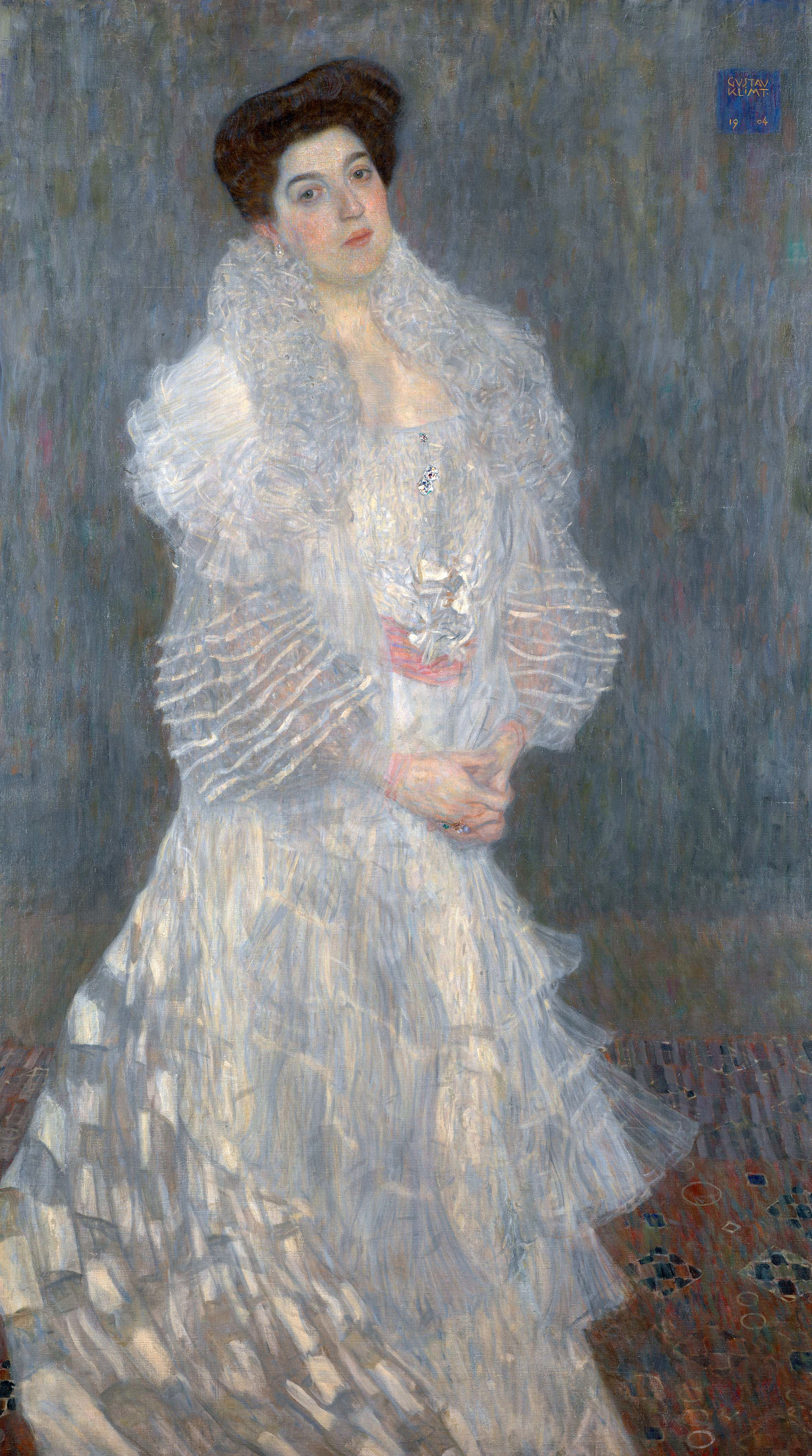
Portrait of Hermine Gallia is a full-length portrait that Gustav Klimt painted in 1904: a tall, slender woman stands in a white chiffon gown with a flowing train and a salmon-pink waistband, her dark hair pinned up and her hands clasped at the waist, against a quiet grey-violet background. The original hangs in the National Gallery in London, the only painting by Klimt in a British public collection. We paint it by hand in oil on canvas, in six tall sizes from 40 x 70 to 90 x 165 cm or to your own measurement, and send you a photograph of the finished work for approval before dispatch.
| Title: | Portrait of Hermine Gallia |
| Other titles: | Hermine Gallia · Ritratto di Hermine Gallia · Portret Hermine Gallia |
| Painter: | Gustav Klimt (1862–1918) |
| Year painted: | 1904 |
| Original size: | 170.5 cm x 96.5 cm |
| Original technique: | Oil on canvas |
| Painting style: | Vienna Secession, society portrait |
| Located at: | National Gallery, London (inv. NG6434) |
| Our reproduction: | Hand-painted oil on canvas, six tall sizes or made to measure |
Portrait of Hermine Gallia – Gustav Klimt
What does the painting show?
A young woman stands upright in the tall, narrow format, turned slightly to one side, and looks calmly out at us. Her dark hair is pinned up, her face is pale and serious, and her hands are clasped loosely at her waist. Almost everything else is dress: a white gown of semi-transparent chiffon with layer upon layer of flounces, a soft, boa-like collar around the shoulders and a long train that flows down to the floor.
A salmon-pink waistband is the only strong colour on the figure. The background is a quiet grey-violet, and at the bottom a carpet with a small, mosaic-like pattern closes the composition. The effect is cool, light and elegant: a portrait in white that seems to glow softly against the darker ground, without a single touch of gold.
Who is the woman in the portrait?
Hermine Gallia, born Hamburger, came from a Jewish family in Western Silesia. In 1893 she married Moriz Gallia, and in Vienna the couple became prominent patrons of the avant-garde, the artists and designers who were changing painting and interiors around 1900.
Klimt painted her in 1904, when he was already the portrait painter that Viennese society wanted. For a buyer the name matters less than the presence of the figure: a calm, self-possessed woman in a dress that was the height of fashion. Knowing who she was, however, gives the painting a story that many owners like to tell when guests ask about it.
Why is the white dress so important?
Because Klimt made it the real subject. Hermine wears a fashionable reform dress, the loose style without a corset that progressive Viennese women favoured, made of white chiffon so fine it is almost transparent. With its flowing train the gown fills about a third of the canvas, and Klimt made some 40 preparatory sketches, concentrating more on the pose and the dress than on the face.
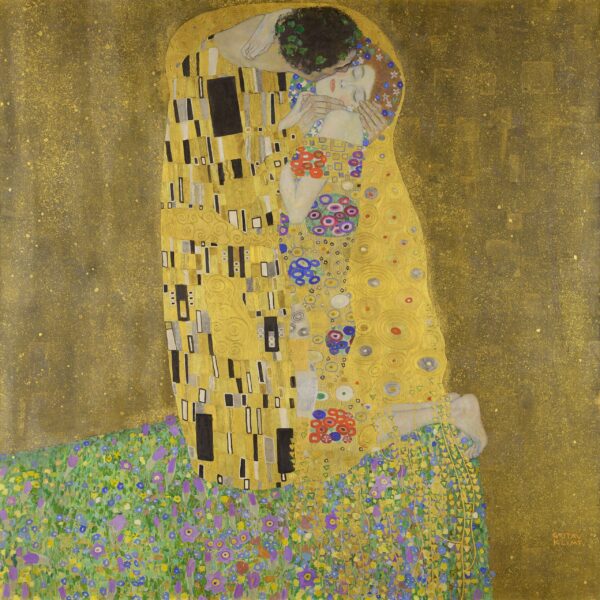
The National Gallery points to influences from Japanese prints and Art Nouveau, and to the first hints of the Byzantine style that Klimt would soon develop. The carpet at the bottom, with its small mosaic-like pattern, recalls the mosaics of Ravenna that he saw in 1903. This portrait stands just before the golden years of The Kiss, at the moment when his style was turning.
Where is the original?
The original, an oil on canvas of 170.5 x 96.5 cm, hangs in the National Gallery in London. The gallery bought it in 1976, and it is the only painting by Klimt in a British public collection, so anyone who wants to see a Klimt original in the United Kingdom has to go there.
The way it reached London is part of its history. After the Anschluss of 1938 the Gallia children fled Austria for Australia and took the portrait with them. More about the painter’s life is on Wikipedia. Our version is not a print: it is painted for you, by hand, at the size you choose.
Hermine Gallia among Klimt’s portraits of women
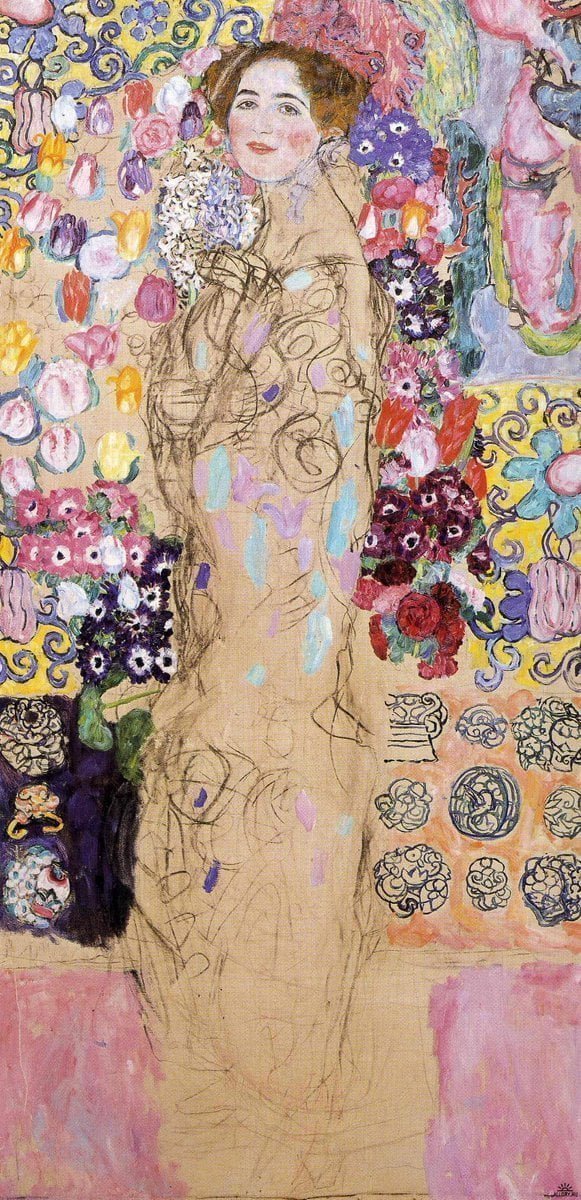
Klimt painted many women of Viennese society, and our gallery lets you follow how his portraits changed. The earlier, pale pink Portrait of Sonja Knips is from 1897–98; Hermine Gallia follows in white; then come the golden Portrait of Adele Bloch-Bauer I of 1907, the colourful Portrait of Adele Bloch-Bauer II of 1912 and the late, flowered The Dancer.
Choose Hermine Gallia if you like a calm, light portrait in a tall format: white and grey-violet suit almost any interior and do not compete with the furniture. If you would rather have gold, look at Adele Bloch-Bauer I; if you want strong colour, The Dancer or Adele Bloch-Bauer II will suit you better.
How do we paint the Portrait of Hermine Gallia by hand?
The painter first draws the figure and the outline of the gown, so that the tall proportions and the slight turn of the body are right. The grey-violet background is laid in next, then the dress is built up in many thin, light layers of white, grey and pale pink, so that the chiffon keeps its transparency and the flounces keep their movement.
The face, the hair and the clasped hands are painted last and with the greatest care, followed by the pink waistband and the small pattern of the carpet. A printed oil painting reproduction turns the fine layers of white into a flat surface; by hand, every fold has its own stroke. Every painting is a hand-painted copy made for your order, so no two are ever quite the same.
There is no gold in this portrait, so we paint it in oil colours only, as Klimt did.
Which size for which wall?
Short answer: 50 x 90 or 60 x 110 cm for a narrow wall, between two windows or in a hallway, 70 x 130 or 80 x 150 cm for a tall wall in a living room or bedroom, and 40 x 70 cm for a small space. The largest size, 90 x 165 cm, comes close to the original, which is 170.5 cm high and 96.5 cm wide.
There are six tall sizes: 40 x 70, 50 x 90, 60 x 110, 70 x 130, 80 x 150 and 90 x 165 cm, width first. All of them stay close to the proportion of the original, so the figure is never squeezed or stretched. A tall portrait does not go above a sofa like a wide painting; it works best on its own, on a narrow wall, beside a cupboard or at the end of a hallway. As a painting for the living room, choose 70 x 130 cm or more so that the figure reads from across the room.
Hang it with the centre of the canvas about 150 to 160 cm above the floor; a tall canvas often looks best when its lower edge sits 40 to 60 cm above the floor or the furniture.
Custom size, stretcher and frame
If none of the six sizes fits your wall, we paint it to measure; keep it tall and close to the original’s proportion. Send us the width and height you want and we will quote a price and a lead time. Every painting we make is stretched over a wooden stretcher and ready to hang.
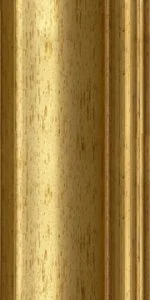
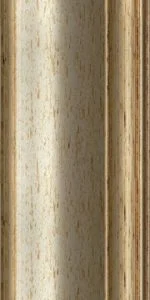
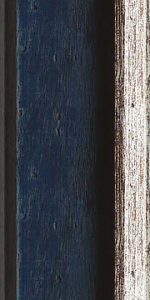
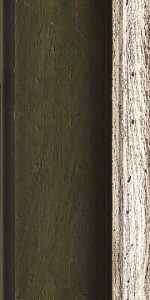
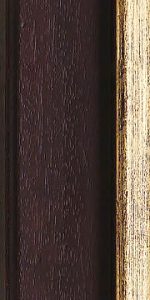
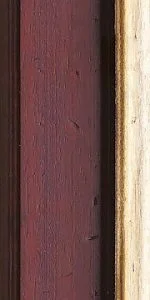
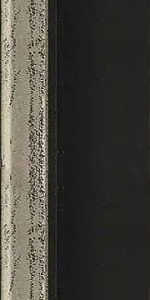
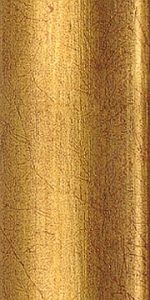
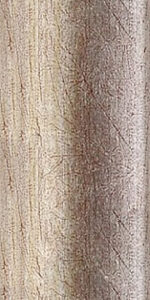
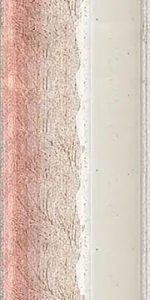
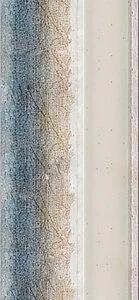
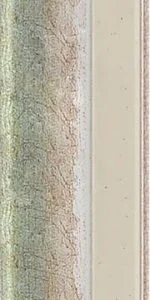
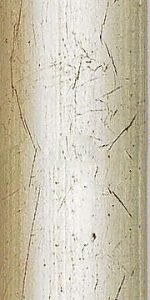
For the moulding, use our 3D application: it shows every one of our frame profiles on this subject, so you can compare gold, silver, black, white and natural wood before deciding – the application is for choosing the frame only. If you would like to see how the painting will look on your own wall, that is our separate room placement service. A slim white or silver frame suits the cool white and grey; a fine gold frame adds a little warmth.
Delivery and guarantee
Every painting is made to order in our studio in Slovenia, so allow 15 to 45 days depending on the size you choose. We ship it stretched and protected for transport, framed if you chose a frame, across the EU with no customs. Before dispatch you receive a photograph of the finished work to approve; if anything is not right, we correct it while the canvas is still in our workshop. Our returns policy applies to every order.
If it is a present and you do not know the right size, there is a wall art voucher. Every other Klimt work we paint is in the Gustav Klimt gallery, and there is more on the painter in our article ten interesting facts about Gustav Klimt.
Frequently asked questions
Where is the original Portrait of Hermine Gallia?
The original hangs in the National Gallery in London, which bought it in 1976. It is an oil on canvas of 170.5 x 96.5 cm, painted in 1904, and it is the only painting by Klimt in a British public collection. If you plan a visit, check the gallery’s website to see whether it is on display that day.
Who was Hermine Gallia?
Hermine Gallia, born Hamburger, came from a Jewish family in Western Silesia and married Moriz Gallia in 1893. In Vienna the couple were prominent patrons of the avant-garde around 1900. Klimt painted her full-length portrait in 1904, and it is the reason her name is still known today.
When did Klimt paint Hermine Gallia?
Klimt painted the portrait in 1904, just before his golden period. He made some 40 preparatory sketches for it, concentrating on the pose and the dress more than on the face. The mosaic-like carpet already recalls the Ravenna mosaics he had seen in 1903, which soon led him to the gold of The Kiss.
What is Hermine Gallia wearing in the painting?
She wears a fashionable reform dress of semi-transparent white chiffon with a salmon-pink waistband. Reform dresses were loose and worn without a corset, a modern style in Vienna around 1900. The gown, with its flounces, boa-like collar and long train, fills about a third of the canvas and is really the main subject of the portrait.
Why is the Portrait of Hermine Gallia in London?
Because the family took it with them into exile. After the Anschluss of 1938 the Gallia children fled Austria for Australia and brought the portrait along. The National Gallery in London bought it in 1976, and today it is the only painting by Klimt in a British public collection.
Is there gold in the Portrait of Hermine Gallia?
No, there is no gold in this portrait; it is painted in white, grey, violet and a touch of pink. It comes just before Klimt’s golden period, so its effect rests on light and fabric rather than on metal. We therefore paint our version in oil colours only, without gold paint, as the original was made.
Which size of Hermine Gallia suits my wall?
For a narrow wall or the space between two windows, 50 x 90 or 60 x 110 cm is a good choice. A tall wall in a living room or bedroom can take 70 x 130 or 80 x 150 cm, and the largest, 90 x 165 cm, comes close to the original. All six sizes stay near the original proportion.
Which room does the Portrait of Hermine Gallia suit?
It suits a bedroom, a dressing room, a hallway or a living room with a narrow free wall. Its white, grey and violet tones are calm and go well with light walls, wood and modern furniture. As a canvas painting it adds elegance without dominating the room, and the tall format fills a space where a wide painting would not fit.
Is the Portrait of Hermine Gallia a good gift?
Yes, for someone who loves fashion, elegant interiors or Klimt’s portraits of women. It is a quieter choice than the golden Klimt and suits almost any home. If you are unsure of the size, choose 60 x 110 cm, or give a voucher so that they can choose the painting and the size themselves.
- Subject: a slender woman in a white chiffon reform dress with a pink waistband, standing against a grey-violet background.
- Original: 1904, oil on canvas, 170.5 x 96.5 cm, National Gallery, London.
- Ours: a Klimt reproduction painted by hand in oil on canvas, in six tall sizes or made to measure.
- Worth knowing: you receive a photograph of the finished work for approval before dispatch.