
Description
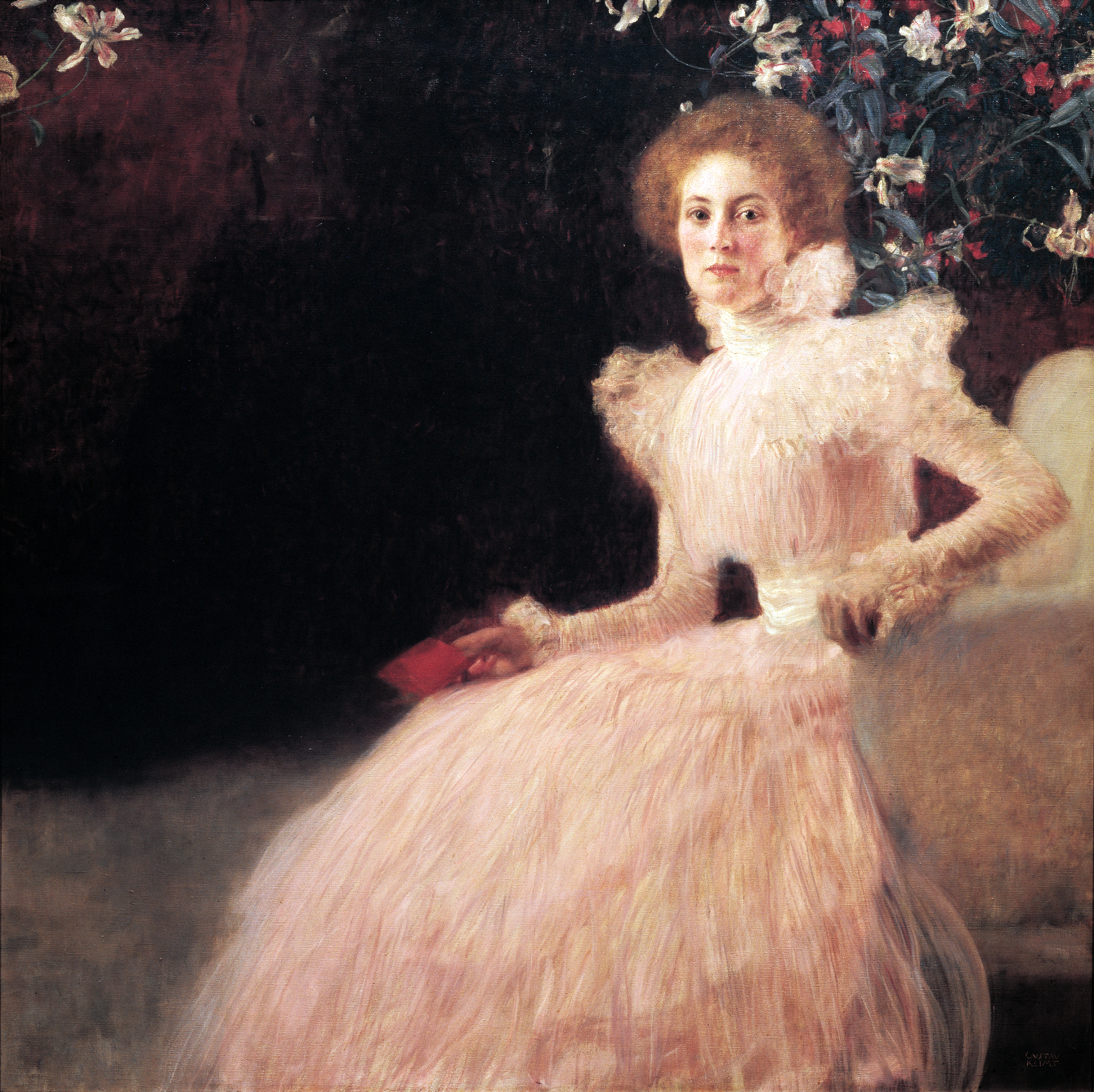
Portrait of Sonja Knips is the painting that marked Klimt’s rise to Vienna’s most sought-after society portraitist: a young woman in a pale pink tulle dress sits on the edge of an armchair, leaning forward, a red sketchbook in her hand, against an almost black background. Painted in 1897/1898, it was his first large portrait in a square format, and it hangs in the Upper Belvedere in Vienna. We paint it by hand in oil on canvas, in eight square sizes from 60 x 60 to 150 x 150 cm or to your own measurement, and send you a photograph of the finished work for approval before dispatch.
| Title: | Portrait of Sonja Knips |
| Other titles: | Sonja Knips · Ritratto di Sonja Knips · Portret Sonje Knips |
| Painter: | Gustav Klimt (1862–1918) |
| Year painted: | 1897/1898 |
| Original size: | 145 cm x 146 cm |
| Original technique: | Oil on canvas |
| Painting style: | Vienna Secession, early society portrait |
| Located at: | Upper Belvedere, Vienna (inv. 4403) |
| Our reproduction: | Hand-painted oil on canvas, eight square sizes or made to measure |
Portrait of Sonja Knips – Gustav Klimt
What does the painting show?
Sonja Knips sits on the right half of the square, on the edge of a pale armchair, and leans slightly forward, as if she were about to stand up or say something. She looks straight at us. Her reddish-blond hair is pinned up, her pale pink dress has a high ruffled collar and puffed sleeves, and in her right hand she holds a small red sketchbook.
The left half of the painting is dark, almost black, and only at the top right do pale pink and white flowers break into it. The face is painted precisely, with sharp features, while the dress dissolves into soft, shimmering pink brushstrokes. The red of the sketchbook is the strongest colour in the whole painting and draws the eye straight to her hand.
Who was Sonja Knips?
Sonja Knips was a baroness by birth and one of Klimt’s most important patrons in Vienna. She did not part with it: the portrait stayed with her from 1898 until 1950, more than half a century, before it went to the Austrian Gallery, today’s Belvedere.
The Belvedere describes the moment Klimt chose as one of poised alertness. That is what makes the painting feel so alive: she is not shown as a decoration on a chair but as an attentive, self-assured young woman who is about to do something. It is exactly this tension – calm colours, an alert pose – that gives the portrait its charm.
Why is the portrait so important?
It was Klimt’s first large portrait in a square format – a shape he later used for his landscapes and for the golden portrait of Adele Bloch-Bauer I. The square leaves a large, dark, empty space beside the sitter, and that emptiness makes her pink figure glow. The Belvedere calls the brushwork of the dress shimmering and vibrating: up close it is loose and light, from a distance it becomes silk and tulle.
With this portrait Klimt became the painter Vienna’s society wanted for its portraits. There is no gold yet: the painting stands just before his golden period and shows how much he could do with colour and light alone. If you know only The Kiss, Sonja Knips shows a quieter, more delicate Klimt.
Where is the original, and how did it get there?
The original hangs in the Upper Belvedere in Vienna, where it is on display under inventory number 4403. It is signed at the lower right GUSTAV / KLIMT and measures 145 x 146 cm, almost exactly square. Sonja Knips owned it from 1898 to 1950; in 1950 the Austrian Gallery acquired it, and it has belonged to the museum ever since.
If you visit Vienna, it is in the same building as The Kiss, so you can see the early and the golden Klimt on one visit. More about the painter’s life and work is on Wikipedia. Our version is not a print of the museum piece: it is painted for you, by hand, at the size you choose.
Sonja Knips among Klimt’s portraits
Sonja Knips sits at a turning point in Klimt’s work, and you can follow that road through our gallery. It begins with the academic Idyll of 1884, continues after Sonja Knips with Judith I and its gold, reaches the square, golden Portrait of Adele Bloch-Bauer I, and ends in the colourful Portrait of Adele Bloch-Bauer II.
Choose Sonja Knips if you want an elegant portrait without gold: soft pink, deep dark and one strong red accent. It is calmer and more intimate than the golden portraits and suits classic as well as modern rooms. If you want the shine of gold, the Adele Bloch-Bauer I portrait in the same square format is the better choice.
How do we paint Sonja Knips by hand?
The painter starts with a careful drawing of the face and the pose, because the face must be precise while everything around it stays soft. Then the dark background goes on in thin layers, followed by the pale armchair and the pink dress, built up from many light, loose strokes so that the tulle seems to shimmer. The flowers at the top right and the red sketchbook come at the end.
The contrast between the sharp face and the dissolving dress is the heart of this painting, and it can only be achieved by hand. A printed oil painting reproduction flattens the strokes of the dress into a smooth pink surface. Every painting is a hand-painted copy made for your order, so no two are ever quite the same.
There is no gold in this work, so we paint it in oil colours only, as Klimt did.
Which size for which wall?
Short answer: 90 x 90 cm above a sofa or bed, 70 x 70 cm above a chest of drawers or in a smaller room, and 120 x 120 cm for a large wall. The original is almost one and a half metres square, so 150 x 150 cm comes closest to its real size.
There are eight square sizes: 60 x 60, 70 x 70, 80 x 80, 90 x 90, 100 x 100, 110 x 110, 120 x 120 and 150 x 150 cm. A portrait needs enough size for the face to read from across the room, so for a living room we recommend at least 80 x 80 cm; smaller sizes suit a bedroom, a study or a hallway. A painting for the living room should take up about two thirds of the width of the furniture below it; above a sofa 140 cm wide, that is 90 x 90 cm.
Hang it with the centre of the canvas about 150 cm above the floor, and 20 to 30 cm above a sofa or a headboard.
Custom size, stretcher and frame
If none of the eight sizes fits your wall, we paint it to measure; it works best kept square, like the original. Send us the width and height you want and we will quote a price and a lead time. Every painting we make is stretched over a wooden stretcher and ready to hang.
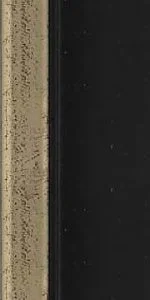
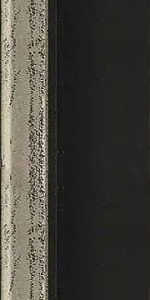
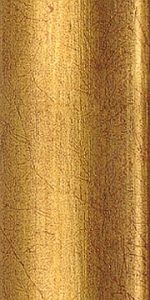
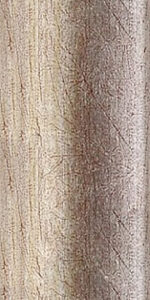
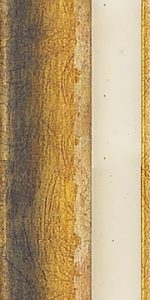
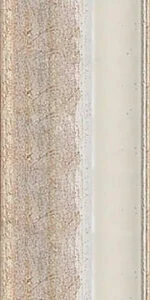
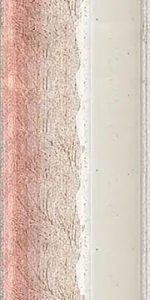
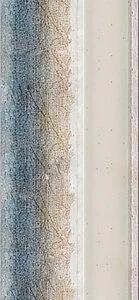
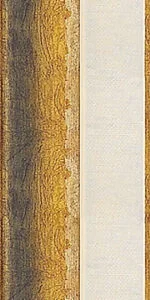
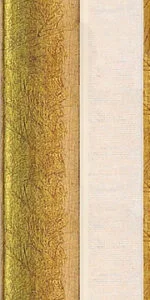
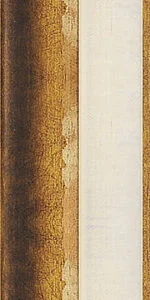
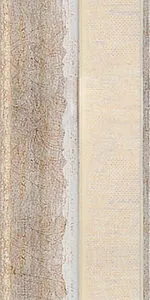
For the moulding, use our 3D application: it shows every one of our frame profiles on this subject, so you can compare gold, silver, black, white and natural wood before deciding – the application is for choosing the frame only. If you would like to see how the painting will look on your own wall, that is our separate room placement service. A slim gold or a dark frame suits the dark background and the pink dress; a white frame makes the portrait lighter and more modern.
Delivery and guarantee
Every painting is made to order in our studio in Slovenia, so allow 15 to 45 days depending on the size you choose. We ship it stretched and protected for transport, framed if you chose a frame, across the EU with no customs. Before dispatch you receive a photograph of the finished work to approve; if anything is not right, we correct it while the canvas is still in our workshop. Our returns policy applies to every order.
If it is a present and you do not know the right size, there is a wall art voucher. Every other Klimt work we paint is in the Gustav Klimt gallery, and there is more on the painter in our article ten interesting facts about Gustav Klimt.
Frequently asked questions
Where is the original portrait of Sonja Knips?
The original hangs in the Upper Belvedere in Vienna, where it is on display under inventory number 4403. It measures 145 x 146 cm and is signed at the lower right GUSTAV / KLIMT. Sonja Knips kept it herself from 1898 until 1950, when the Austrian Gallery, today’s Belvedere, acquired it for its collection.
Who was Sonja Knips, the woman in the portrait?
Sonja Knips was a baroness by birth and one of Gustav Klimt’s most important patrons in Vienna. The portrait stayed with her for more than fifty years. Klimt shows her as an alert, self-assured young woman on the edge of an armchair, not as a decorative figure, which is why the portrait still feels so lively.
What does Sonja Knips hold in her hand?
She holds a small red sketchbook in her right hand. It is the strongest colour in the whole painting and stands out sharply against her pale pink dress and the dark background, so the eye goes straight to it. On our painting the red is painted with the same intensity, as the one clear accent in a soft composition.
When did Klimt paint Sonja Knips?
Klimt painted it in 1897/1898, as the Belvedere dates it. It was his first large portrait in a square format and came a few years before his golden period, so it contains no gold at all. With this portrait he became the painter Vienna’s society wanted for its portraits.
Why is the portrait of Sonja Knips square?
Klimt chose the square deliberately; it was his first large portrait in this format. The square leaves a wide, dark, empty space beside her, and that space makes her pink figure shine. He later used the square for his landscapes and for the golden portrait of Adele Bloch-Bauer I, so Sonja Knips is where that idea started.
Is there gold in the portrait of Sonja Knips?
No, there is no gold in this portrait; it was painted before Klimt’s golden period. The effect comes from colour and light alone: the pale pink dress, the almost black background and the red sketchbook. That is why we paint our version in oil colours only, without gold paint, exactly as the original was made.
Which size of the Sonja Knips portrait suits my wall?
For most living rooms 90 x 90 cm above a sofa is a good choice; in a bedroom or a smaller room 70 x 70 cm works well, and a large wall can take 120 x 120 cm. A portrait needs enough size for the face to read, so we recommend at least 80 x 80 cm for a living room. The size closest to the original is 150 x 150 cm.
Which room does the portrait of Sonja Knips suit?
The portrait of Sonja Knips suits a living room, a bedroom, a dressing room or a hallway with good light. Its soft pink and deep dark go well with beige, grey, white and dark wood. Because it is elegant rather than loud, it fits classic and modern interiors alike, and as a canvas painting it brings a quiet, refined accent to the room.
Is the portrait of Sonja Knips a good gift?
Yes, especially for someone who loves elegant portraits, fashion or Vienna around 1900. It is a calm, refined painting that fits many homes and is less obvious than The Kiss. If you are unsure of the size, choose a middle size such as 80 x 80 cm, or give a voucher so they can choose for themselves.
- Subject: a young woman in a pale pink tulle dress on the edge of an armchair, a red sketchbook in her hand, against a dark background.
- Original: 1897/1898, oil on canvas, 145 x 146 cm, Upper Belvedere, Vienna.
- Ours: a Klimt reproduction painted by hand in oil on canvas, in eight square sizes or made to measure.
- Worth knowing: you receive a photograph of the finished work for approval before dispatch.