


Description
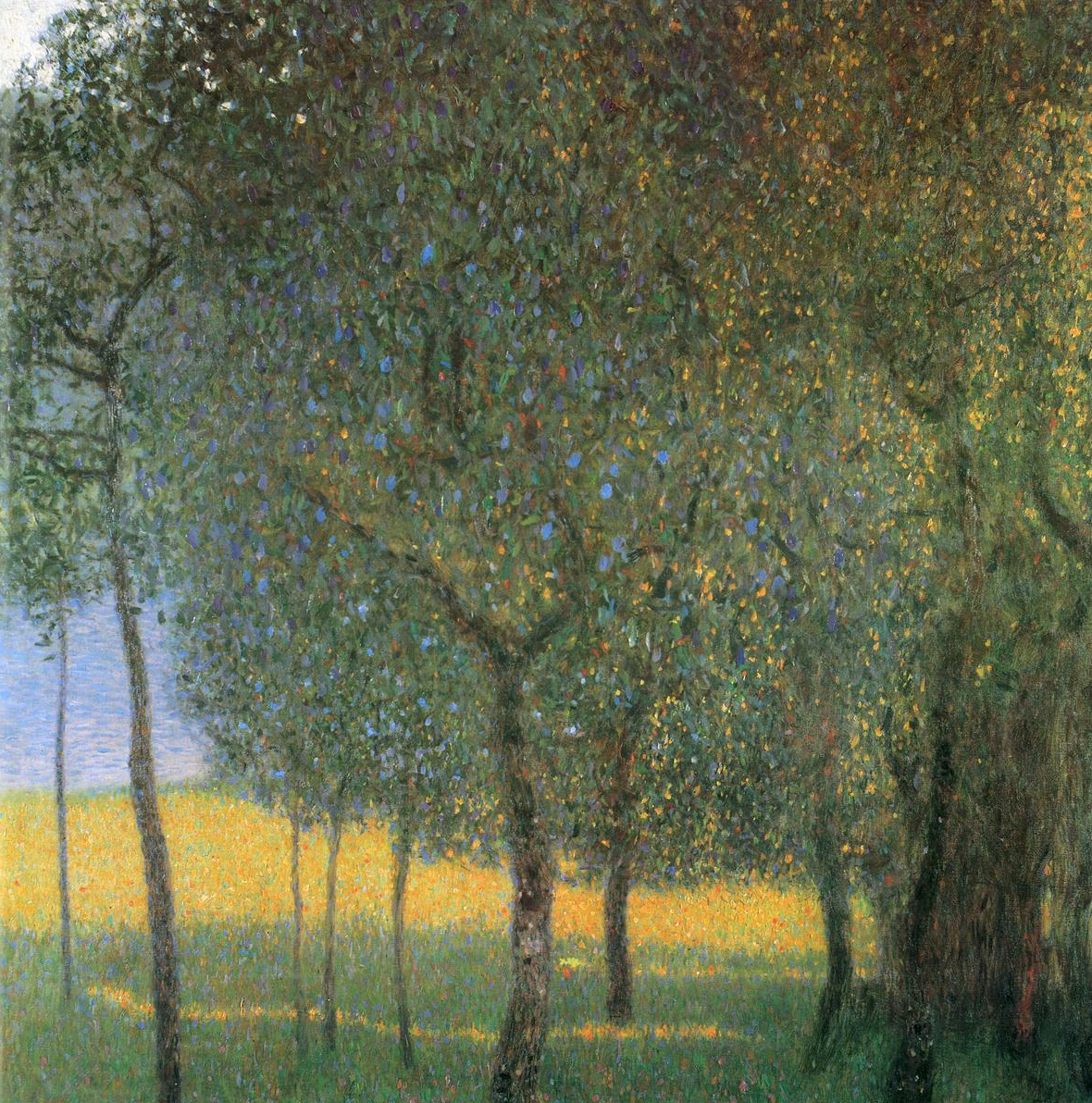
Fruit Trees is the summer landscape Gustav Klimt painted in 1901: a row of slim fruit trees with dense, feathery crowns of green and blue-green, dotted with small yellow and orange touches, and between their trunks a bright yellow field glowing in the sun. The original is in a private collection. We paint it by hand in oil on canvas, in four square sizes from 60 x 60 to 90 x 90 cm or to your own measurement, and send you a photograph of the finished work for approval before dispatch.
| Title: | Fruit Trees |
| Other titles: | Obstbäume · Alberi da frutto · Sadno drevje |
| Painter: | Gustav Klimt (1862–1918) |
| Year painted: | 1901 |
| Original size: | 90 cm x 90 cm |
| Original technique: | Oil on canvas |
| Painting style: | Vienna Secession, landscape |
| Located at: | Private collection |
| Our reproduction: | Hand-painted oil on canvas, four square sizes or made to measure |
Fruit Trees – Gustav Klimt
What does the painting show?
A row of slim fruit trees stands across the square canvas, their thin grey-brown trunks rising from a green meadow. Their crowns are dense and feathery, built from countless small strokes of green and blue-green, and here and there small yellow and orange touches shine through the leaves like fruit or sunlight. The trees fill almost the whole upper part of the painting, so you seem to stand right under their branches.
Between the trunks lies a bright yellow field, glowing as if the sun had just come out from behind a cloud. At the left a patch of pale sky opens up, the only place where the eye can escape into the distance. In front, a strip of green meadow leads you into the orchard. The contrast between the cool shade under the trees and the warm light on the field is what gives the painting its summer feeling.
An early square landscape from the Attersee summers
Fruit Trees belongs to Klimt’s early square landscapes, painted during the summers he spent at the Attersee in Upper Austria. At that time Klimt was famous in Vienna above all for his portraits and large allegories; in the summer months he turned to trees, meadows, gardens and the lake, and for almost all of these views he chose a square canvas.
The square format suits this subject well. It has no strong direction, neither upward like a portrait nor sideways like a panorama, so the eye rests on the rhythm of the trunks and the shimmer of the leaves instead of following a road or a horizon. Anyone who knows the lakes and orchards of Austria will recognise a familiar scene: a hot afternoon, the hum of summer, light falling through the trees onto a ripe field.
Why do people love the yellow field?
Because it turns a simple orchard into a source of light. The trees in front are mostly cool – green, blue-green and grey – and the field behind them is the warmest colour in the painting. Seen through the trunks, it glows like a window. That is why the painting brightens a room even on a grey day.
The small yellow and orange touches in the crowns repeat the colour of the field, so the whole canvas feels connected. There is nothing dramatic here, no figures and no story to decode – just trees, light and summer air. That calm is the reason the painting works so well in a home: you can look at it every day without it ever becoming tiring.
Where is the original?
The original was painted in 1901 in oil on canvas and measures 90 cm square. It is in a private collection, so it is not on public display in a museum. The painting is listed, with its size and owner, in the list of paintings by Gustav Klimt on English Wikipedia.
Because the original hangs in a private home, a hand-painted version is the only way for most people to live with this orchard. Our version is not a print: we paint it for you, by hand, in the size you choose – and our 90 x 90 cm size is exactly the size of Klimt’s canvas.
Fruit Trees among Klimt’s orchards and gardens
Klimt returned to fruit trees again and again. In our gallery you will also find Apple Tree I, a single tree heavy with red apples above a flowering meadow, Apple Tree II, and Pear Tree, whose huge crown fills almost the whole canvas. Farm Garden with Sunflowers shows a garden full of flowers in the same square format.
Choose Fruit Trees if you like light and open space: it is the only one of these with a glowing field and a glimpse of sky, and it feels airier than the dense apple and pear trees. If you prefer one strong motif, Apple Tree I may suit you better; for lots of colour, the sunflower garden. Two of them in the same size also make a good pair on one wall. More about Klimt’s life is on Wikipedia’s Klimt page.
How do we paint Fruit Trees by hand?
The painter first draws the main lines on the canvas: the trunks, the edge of the field, the patch of sky and the outlines of the crowns. Then the large areas go on in thin layers – the dark green of the shade, the yellow field, the pale sky and the green meadow in front.
After that come the details that make the orchard shimmer: thousands of small strokes of green and blue-green in the crowns, the yellow and orange touches between them, the light on the trunks and in the grass. A printed oil painting reproduction flattens all of those strokes into one smooth surface; painted by hand, each stroke keeps its own body and catches the light. Every painting is a hand-painted copy made for your order, so no two are quite alike.
There is no gold in this landscape, and none in our version: we use oil colours only, as in the original.
Which size for which wall?
In short: 60 x 60 or 70 x 70 cm for a small wall, a hallway, a kitchen or above a desk; 80 x 80 or 90 x 90 cm above a chest of drawers, a bed or a small sofa. The 90 x 90 cm size is the size of the original.
All four sizes are square, just like Klimt’s canvas, so nothing is cropped. The many small strokes in the crowns read best when the painting is not too small, so if you have the space, choose 80 x 80 or 90 x 90 cm. As a painting for the living room, 90 x 90 cm works above a two-seat sofa or a sideboard, or as part of a group with other paintings. For a very large wall, ask us for a made-to-measure size.
Hang it with the centre of the canvas about 150 to 160 cm above the floor; over furniture, leave 20 to 30 cm between the top of the furniture and the lower edge of the canvas. In a bright room the yellow field shines; in a darker hallway it brings in a patch of sunlight.
Custom size, stretcher and frame
If none of the four sizes fits your wall, we paint it to measure, larger sizes included; keep it square, or close to square, so the trees are not stretched. Send us the width and height you want and we will quote the price and delivery time. Every painting we make is stretched on a wooden stretcher frame and ready to hang.
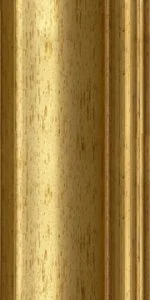
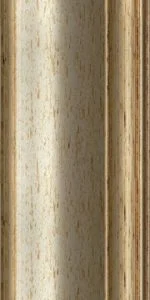
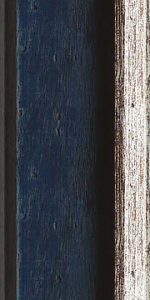
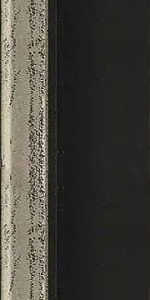
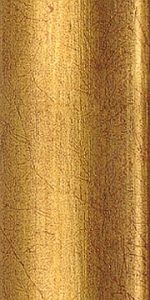
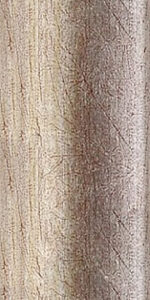
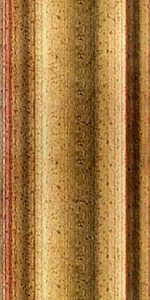
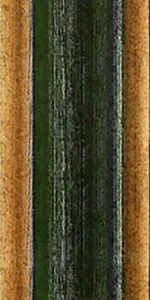
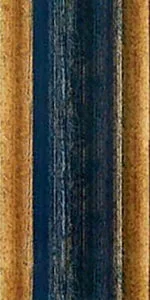
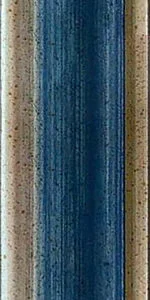
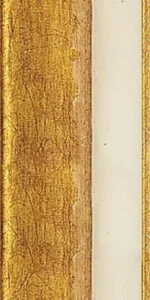
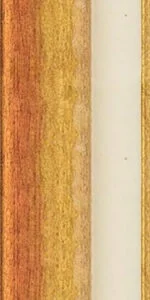
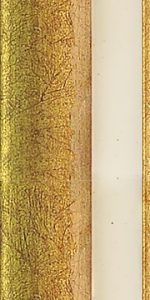
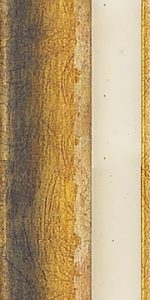
For the moulding, use our 3D application: it shows every one of our frame profiles on this subject, so you can compare gold, silver, black, white and natural wood before deciding – the application is for choosing the frame only. If you would like to see how the painting will look on your own wall, that is our separate room placement service. A natural wood or white frame suits the summer light of the field; a thin dark frame makes the green of the crowns look deeper.
Delivery and guarantee
Every painting is made to order in our studio in Slovenia, so allow 15 to 45 days depending on the size you choose. We ship it stretched and protected for transport, framed if you chose a frame, across the EU with no customs. Before dispatch you receive a photograph of the finished work to approve; if anything is not right, we correct it while the canvas is still in our workshop. Our returns policy applies to every order.
If it is a gift and you are not sure of the size, there is our gift voucher. More of Klimt’s work is in our Gustav Klimt gallery, and more about the painter in our article 10 interesting facts about Gustav Klimt.
Frequently asked questions
Where is the original Fruit Trees by Klimt?
The original is in a private collection, so it is not shown in a public museum and most people know it only from reproductions. Klimt painted it in 1901 in oil on canvas, and it measures 90 cm square – the same as our largest standard size, 90 x 90 cm, which shows the painting at its original size.
When did Klimt paint Fruit Trees?
Klimt painted it in 1901, during one of the summers he spent at the Attersee in Upper Austria. It is one of his early square landscapes, from the years when he began to paint trees, meadows and gardens alongside his famous portraits. The whole view is full of summer light and calm.
What does Klimt’s Fruit Trees show?
It shows a row of slim fruit trees with dense green and blue-green crowns, dotted with small yellow and orange touches. Between the trunks glows a bright yellow field, a patch of pale sky opens at the left, and a green meadow fills the front. There are no figures in it, only trees and light.
Is there gold in Fruit Trees?
No, there is no gold in this landscape. It is painted in natural colours – green, blue-green, yellow and orange – and its glow comes from the many small strokes and the sunlit field, not from metal leaf. We therefore paint our version in oil colours only, without gold paint, just like the original.
Which size of Fruit Trees suits my wall?
For a small wall, a hallway or a kitchen, 60 x 60 or 70 x 70 cm works well. Above a chest of drawers, a bed or a small sofa choose 80 x 80 or 90 x 90 cm; the 90 x 90 cm size is the size of the original. For a larger wall we can paint Fruit Trees to measure.
Can I order Fruit Trees bigger than 90 x 90 cm?
Yes, as a made-to-measure painting. Our four standard sizes go from 60 x 60 to 90 x 90 cm, which is the size of the original. For a larger wall, send us the width and height you want and we will tell you the price and delivery time before you order. Keep it square so the trees are not stretched.
Which room suits Fruit Trees?
It suits a living room, a dining room, a bedroom or a hallway – anywhere you want fresh green and warm summer light. As a canvas painting it pairs well with white, cream or light green walls, light wood and natural fabrics. It is also a good choice for a kitchen or a room that looks out onto a garden.
Which Klimt painting goes with Fruit Trees?
Apple Tree I, Apple Tree II and Pear Tree are the closest companions, because they too are square views of fruit trees from Klimt’s summers. Hung side by side in the same size, Fruit Trees and Apple Tree I make a calm pair, one airy and bright, the other dense and colourful. Farm Garden with Sunflowers adds more colour.
Is Fruit Trees a good gift?
Yes, especially for someone who loves nature, gardens or Klimt’s landscapes rather than his famous gold. The square format fits almost any wall, and the subject is calm and cheerful. If you are not sure of the size, choose 70 x 70 or 80 x 80 cm, which fit most homes, or give a voucher so the recipient can choose.
- Subject: a row of slim fruit trees with green crowns in front of a sunlit yellow field, with a patch of pale sky at the left.
- Original: 1901, oil on canvas, 90 x 90 cm, private collection.
- Our version: a Klimt reproduction painted by hand in oil on canvas, in four square sizes or made to measure.
- Good to know: before dispatch you receive a photograph of the finished work for approval.