
















Description
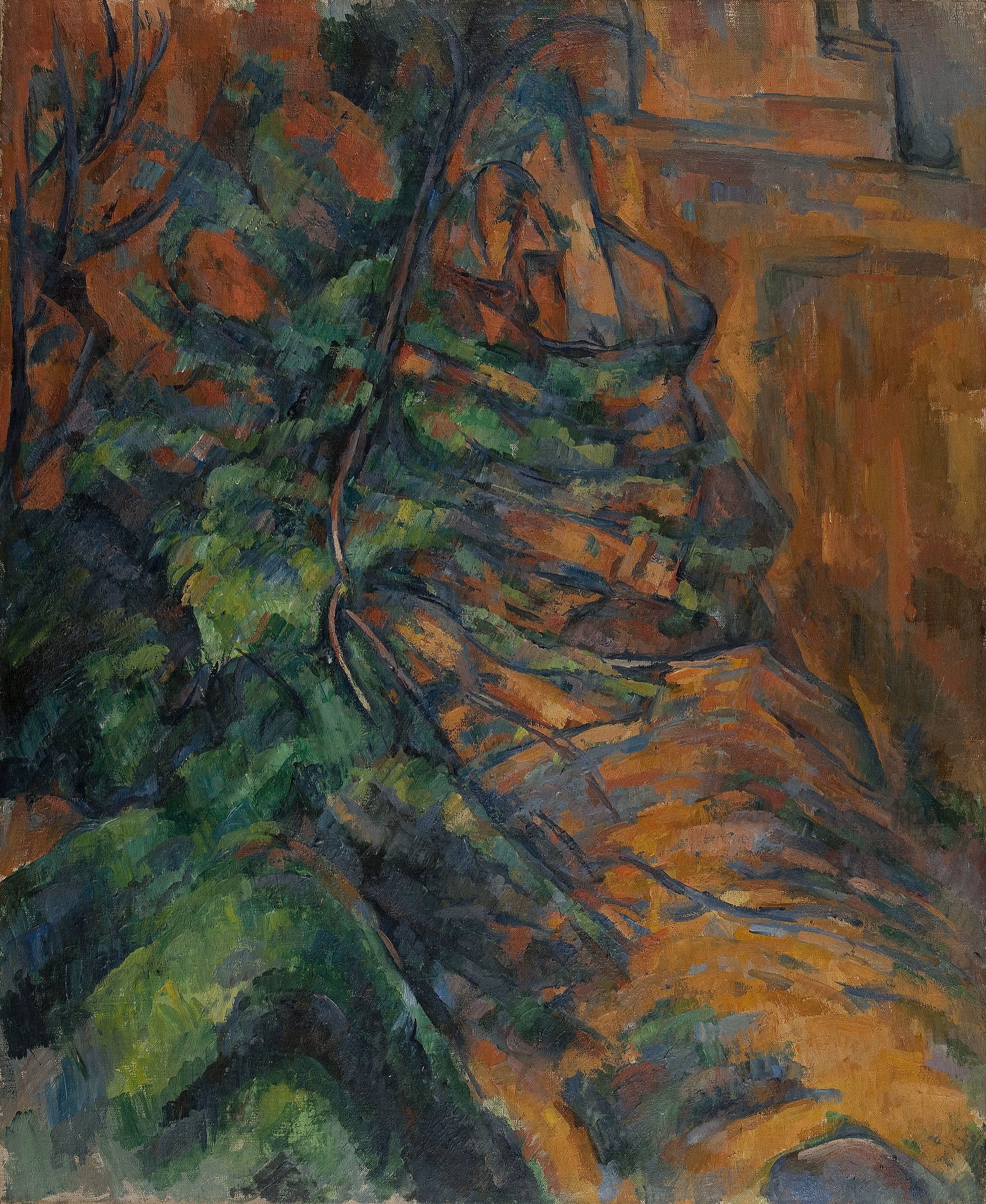
Rocks and Branches at Bibémus – a quarry as architecture
Bibémus is a disused quarry east of Aix-en-Provence, where Cézanne found a landscape already cut into planes and cubes of its own accord. Orange rock walls interweave with blue-green branches. Our hand-painted reproduction on canvas brings this unusual subject into your home, painted in oil on canvas.
A landscape that was already Cubist
The quarry had been sawn by human hands into straight cuts and sharp edges. Cézanne had nothing to simplify – nature offered him the shapes he otherwise had to look for himself. It is these canvases that art history most often cites as a direct forerunner of Cubism.
Orange and blue
The colour scheme is built almost entirely on the opposition between warm orange-ochre rock and cool blue-green vegetation. Between them there are no transitions but a contact – and it is that contact which creates a sense of depth without perspective.
What you see on the canvas
Thin branches and trunks rise in the foreground and along the sides, and behind them the rock wall lifts with its sharp edges. The space is closed: there is almost no sky. The original is painted in oil on canvas, by the collection’s record measures about 50.5 × 61 cm, and was made in the last years of the painter’s life.
A quarry in warm tones
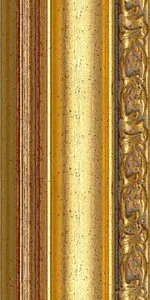
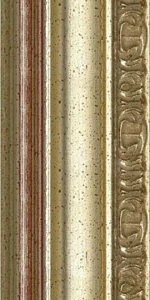
The contact of warm ochre rock and cool greenery is everything – and it is that contact a hand-laid stroke gets right and a print never does. Choose among ten sizes or a size to your measurements. The warm tones heat a room that has cool, northern light. Look at the frame in our 3D preview. Among our reproductions on canvas you will find other subjects from the Bibémus quarry and its surroundings: Château Noir, Woods with Millstone and Bend in Forest Road.
- Subject: Rocks and Branches at Bibémus, Paul Cézanne, 1900–1904
- Technique: hand-painted painting, oil on canvas, reproduction
- Sizes: 10 formats, stretched on a wooden stretcher frame on request, or made to your measurements
- Fact: the disused quarry was already cut into planes of itself – which is why these canvases count as a forerunner of Cubism