



- Room of inspirations
Studies of Paintings by Famous Painters
Jackson Pollock
Jackson Pollock – one might well ask: “Is he the greatest living painter in the United States?” Could a painter who flung paint onto canvases with a brush, poured it and threw it to create swirling vortices of color and line, be called “great”? New York critics certainly thought so, and Pollock’s pre-eminence among the Abstract Expressionists has endured. It was sealed by the classic legend of the artist struggling with alcoholism and by his early death. The famous ‘drip paintings’ he made in the late 1940s are among the most original works of the century. At times they hinted at the life force of nature itself; at others they evoked human entrapment – in the body, in an anxious mind, in a newly frightening modern world.
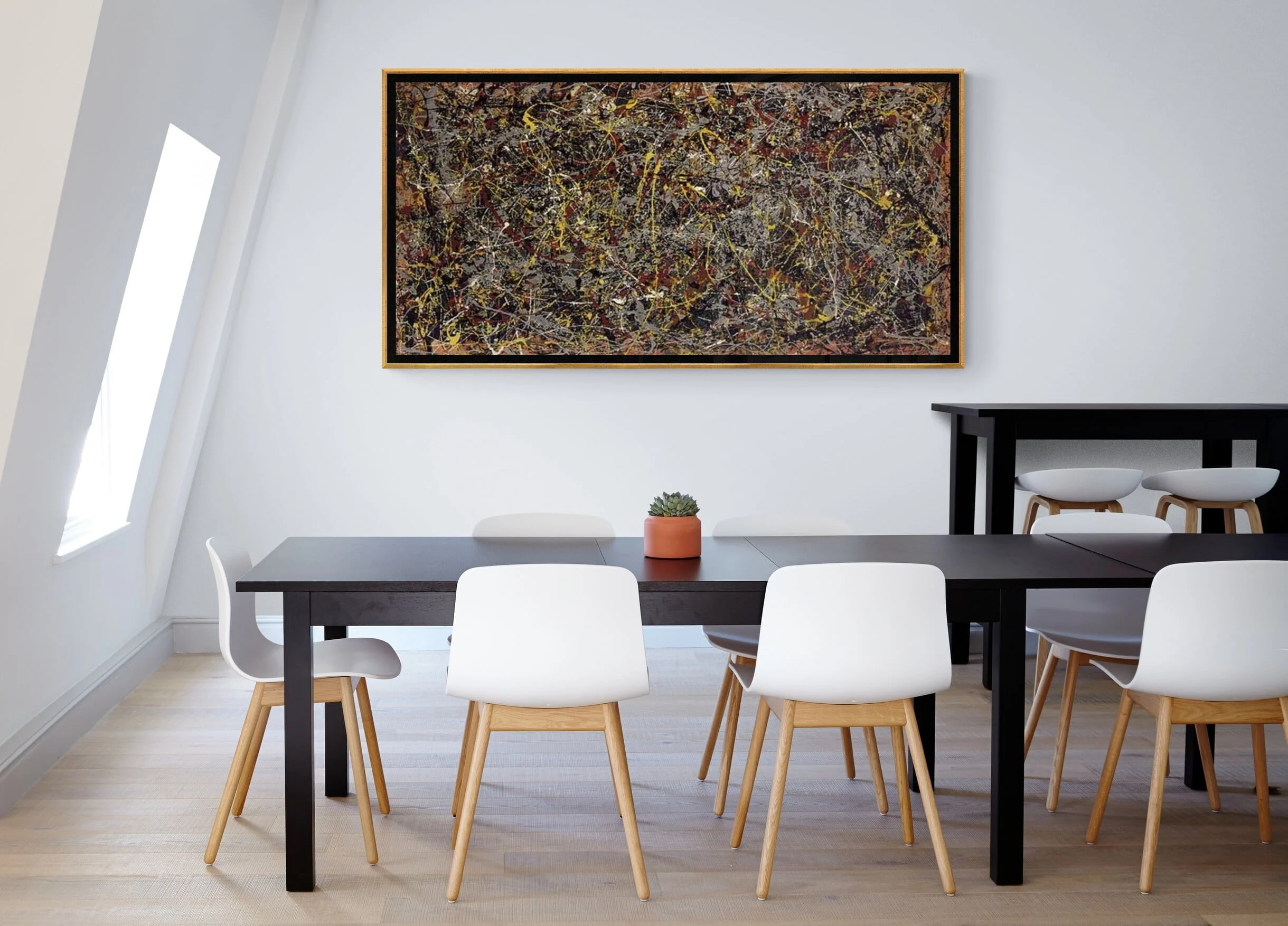
Jackson Pollock – No. 5
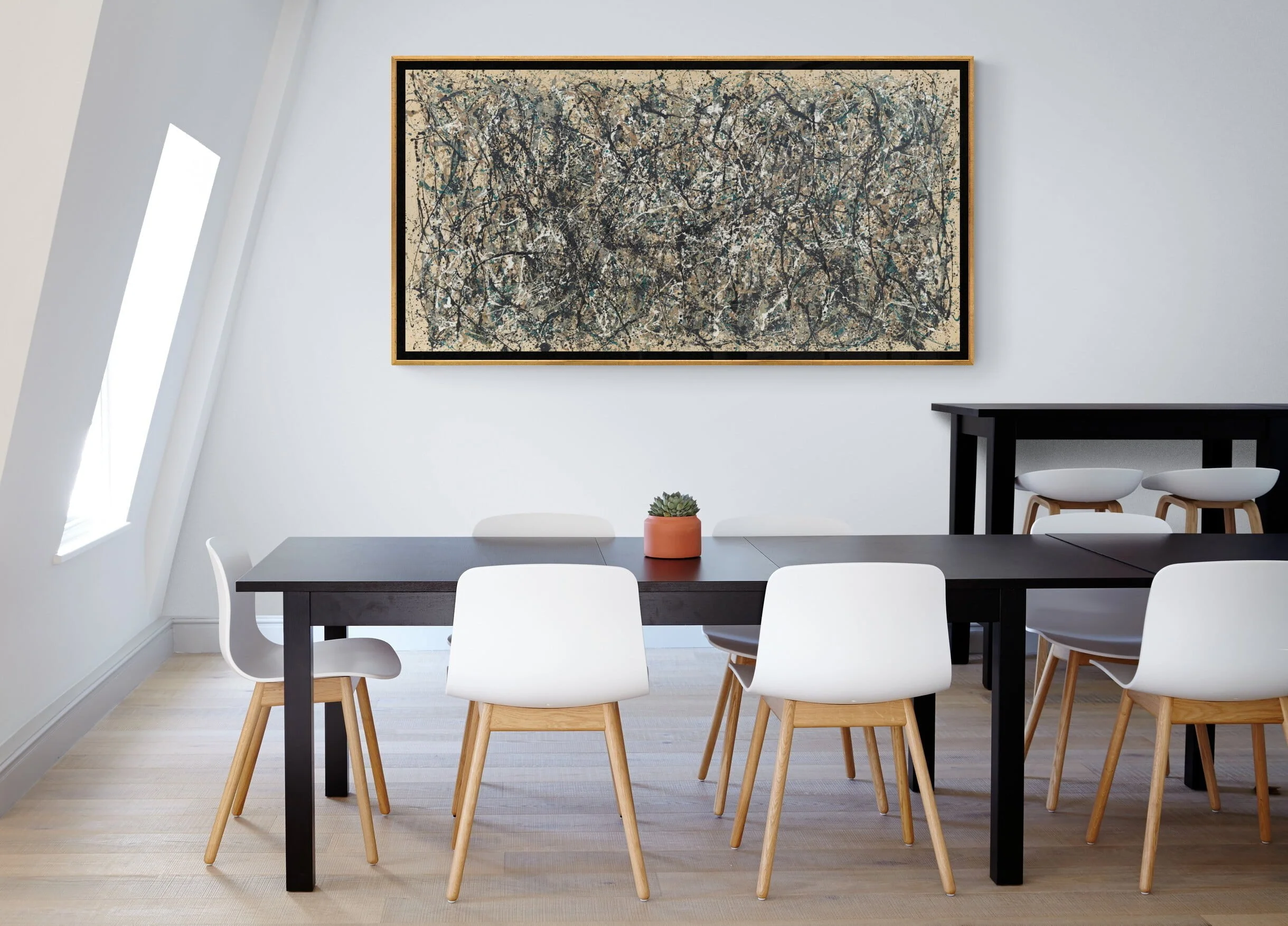
Jackson Pollock – One: Number 31, 1950

Jackson Pollock – Number 1, 1952
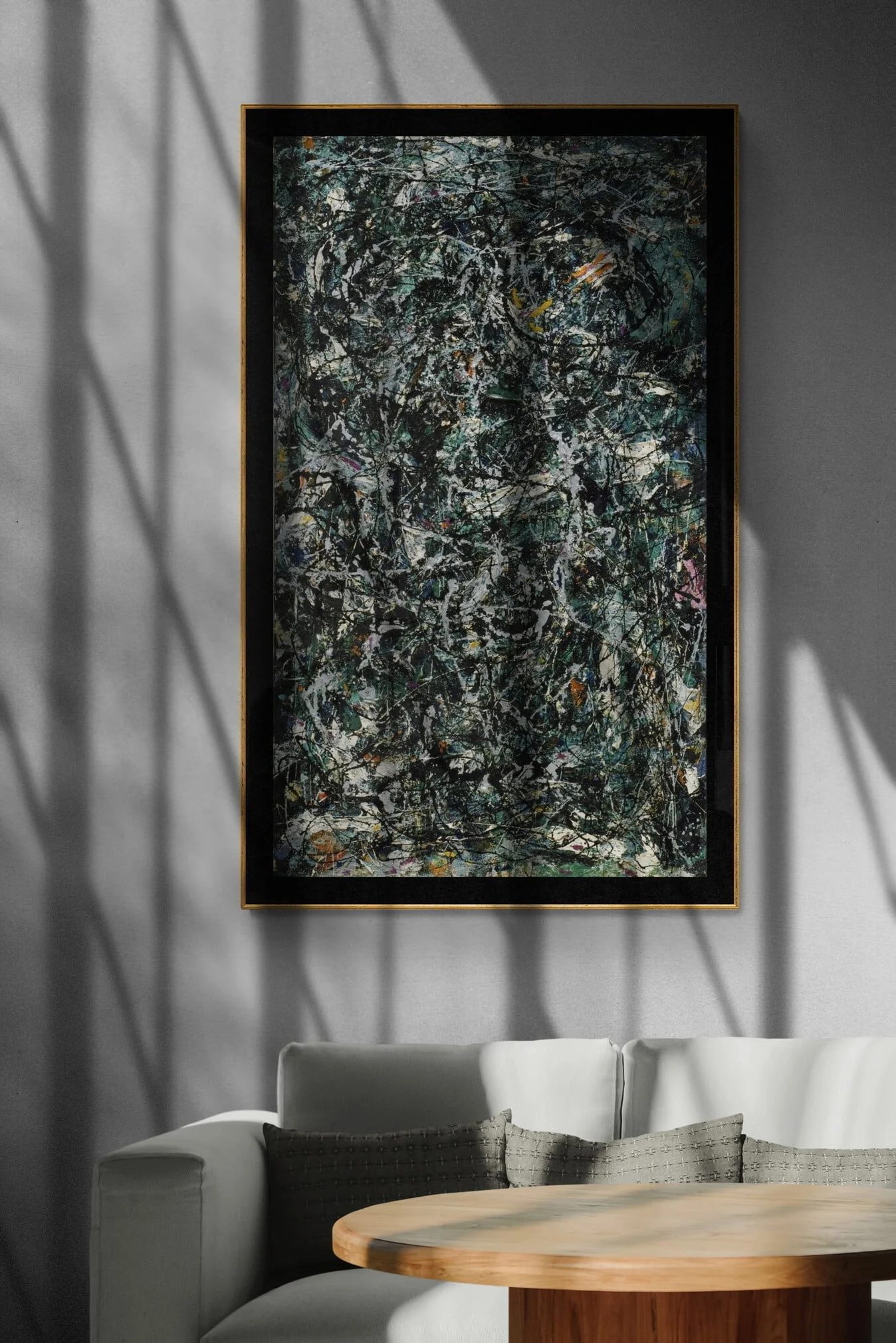
Jackson Pollock – Full Fathom Five
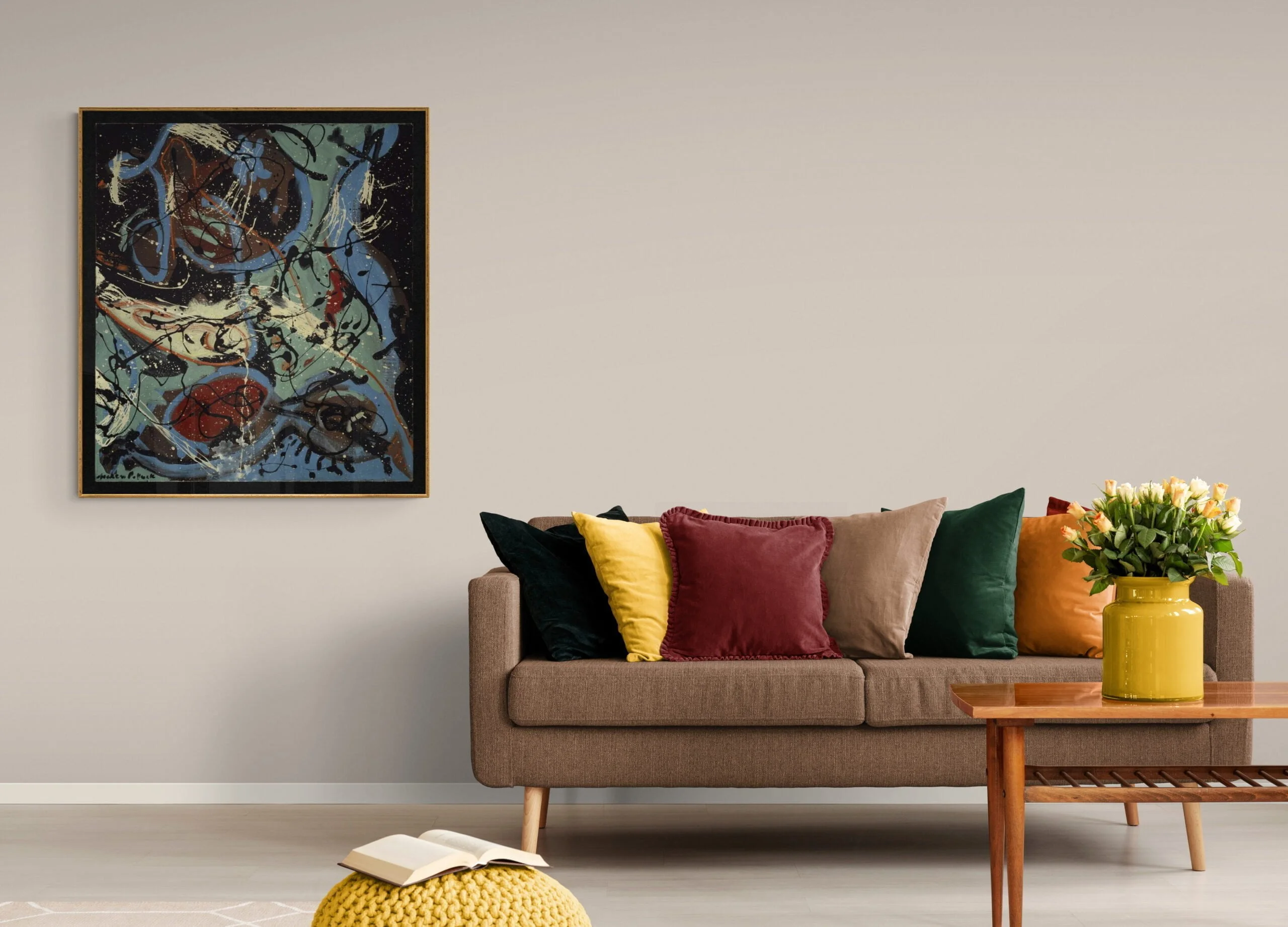
Jackson Pollock – Composition with Pouring II
Pablo Picasso
Pablo Picasso was a prolific artist who produced both classical and innovative work, including paintings, graphic works, ceramics, sculpture and experimental forms. Born in Spain in 1881, Picasso had a 70-year career that gave him ample opportunity to develop his art and experiment with it. He helped develop Cubism, an approach to abstract painting. In his work Picasso drew on color and emotional expression.
What Picasso did for Cubism was quite different from Braque’s cool geometric constructions. He often created paintings that looked like an image seen in a cracked mirror or through a broken window, and pictures of women with rearranged facial features.

Pablo Picasso – The Dryad

Pablo Picasso – The Weeping Woman

Pablo Picasso – Les Demoiselles d’Avignon

Pablo Picasso – The Woman with a Hair Net

Pablo Picasso – Nude
Joan Miró
Constant experimentation and a lifelong flirtation with objectivity shaped the great mark Joan Miró left on the art world. His canvas was a sandbox for his subconscious, from which sprang the fierce joy of childhood and an expression of his Catalan pride.
His signature pictorial symbols, biomorphic shapes, geometric forms and abstracted and semi-abstracted objects helped build a tirelessly original body of work. Joan Miró’s radical, inventive style was central to the early 20th-century avant-garde’s journey towards ever greater and finally complete abstraction.
Although Miró is associated with early Surrealism and influenced Abstract Expressionism and the Color Field painters, he remains one of the great loners of modern art, with an unmistakably unique visual vocabulary.

Joan Miró – The Lark’s Wing, Encircled with Golden Blue

Joan Miró – Man and Woman in Front of a Pile of Excrement

Joan Miró – The Nightingale’s Song at Midnight and the Morning Rain

Joan Miró – Self-Portrait

Joan Miró – Ubu the King 2
Salvador Dalí
Although he experimented with several artistic styles, Salvador Dalí is best known as a Surrealist artist who created many of the movement’s most famous paintings. The theories of the famous Austrian psychoanalyst Sigmund Freud had a great influence on Dalí’s work.
His Surrealist paintings are full of images drawn from Freudian symbolism and from his own subconscious. Among Salvador Dalí’s most important contributions to the Surrealist movement is the paranoiac-critical method, with which he sought to reach into his subconscious through systematic irrational thinking and a self-induced paranoid state.
Although Dalí kept working late into his career, critics believe that with the recurring motifs in his work he had already outlived his best years.

Salvador Dalí – Study for the Dream Sequence in Spellbound

Salvador Dalí – Sleep

Salvador Dalí – The Persistence of Memory

Salvador Dalí – The Temptation of St. Anthony

Salvador Dalí – Christ
Fernando Botero
Colombian artist Fernando Botero shows how differently we can look at the same subject. Although Botero is known for the plump, rotund figures in his work, he maintains that his aim is not to portray heavy figures. Instead, he wants to emphasize volume. Here is what Botero wants to say with his “plump art”.
Fernando Botero’s satirical portraits of political, military and religious figures, musicians and members of royal families show them plump and motionless, with the character of a human still life. Humorous at first glance, Botero’s paintings are most often social commentary with a political edge.

Fernando Botero – Mona Lisa

Fernando Botero – Caballo (Horse)
Salvador Dalí – The Persistence of Memory

Fernando Botero – Christ

Fernando Botero – Landscape