





Description
| Year of creation: | 1916-1919 |
| Original size: | 200 cm x 200 cm |
| Paint style: | Impressionism |
| Original technique: | Oil on canvas |
| Located: | Musée d’Orsay, Paris |
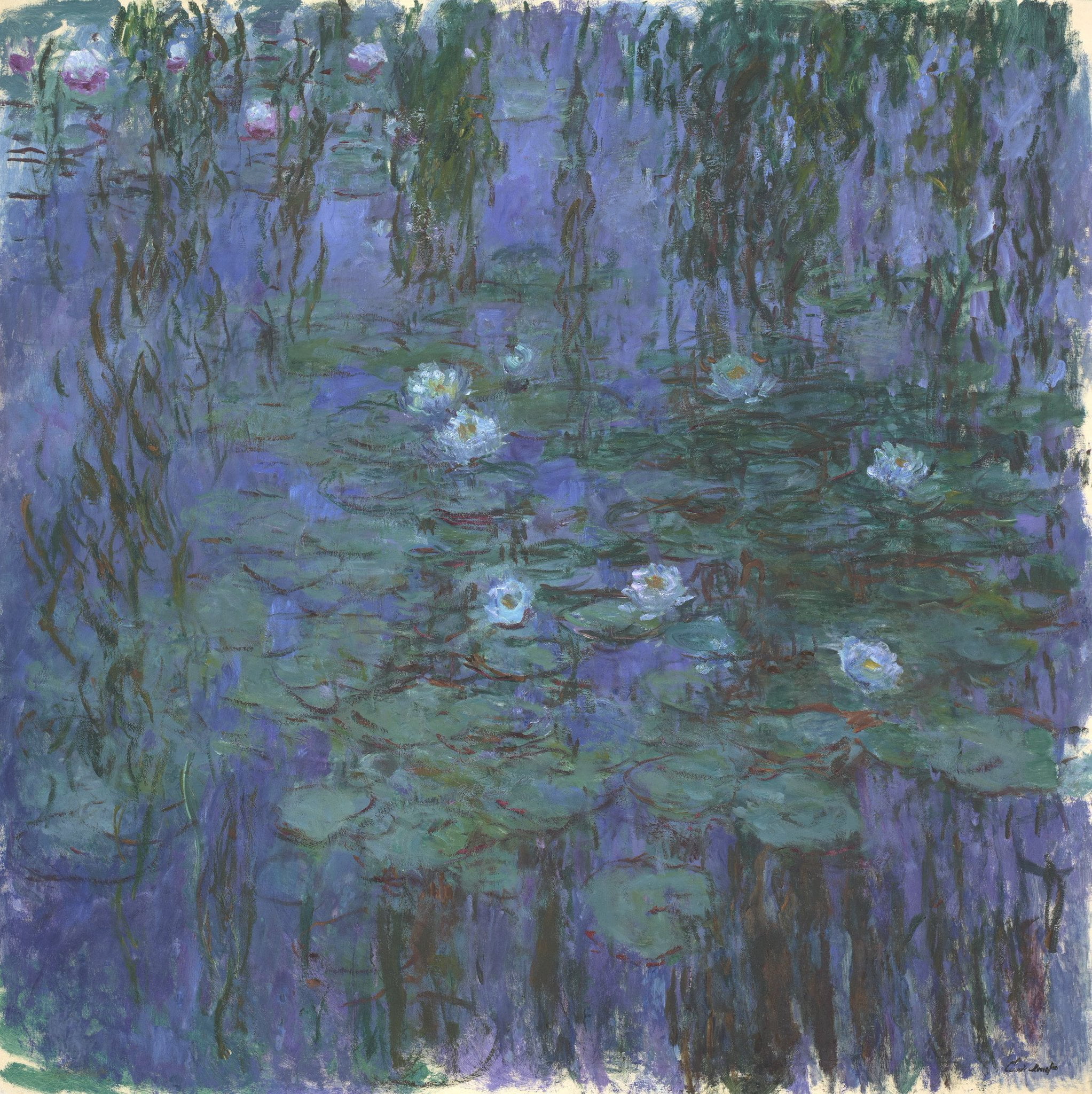
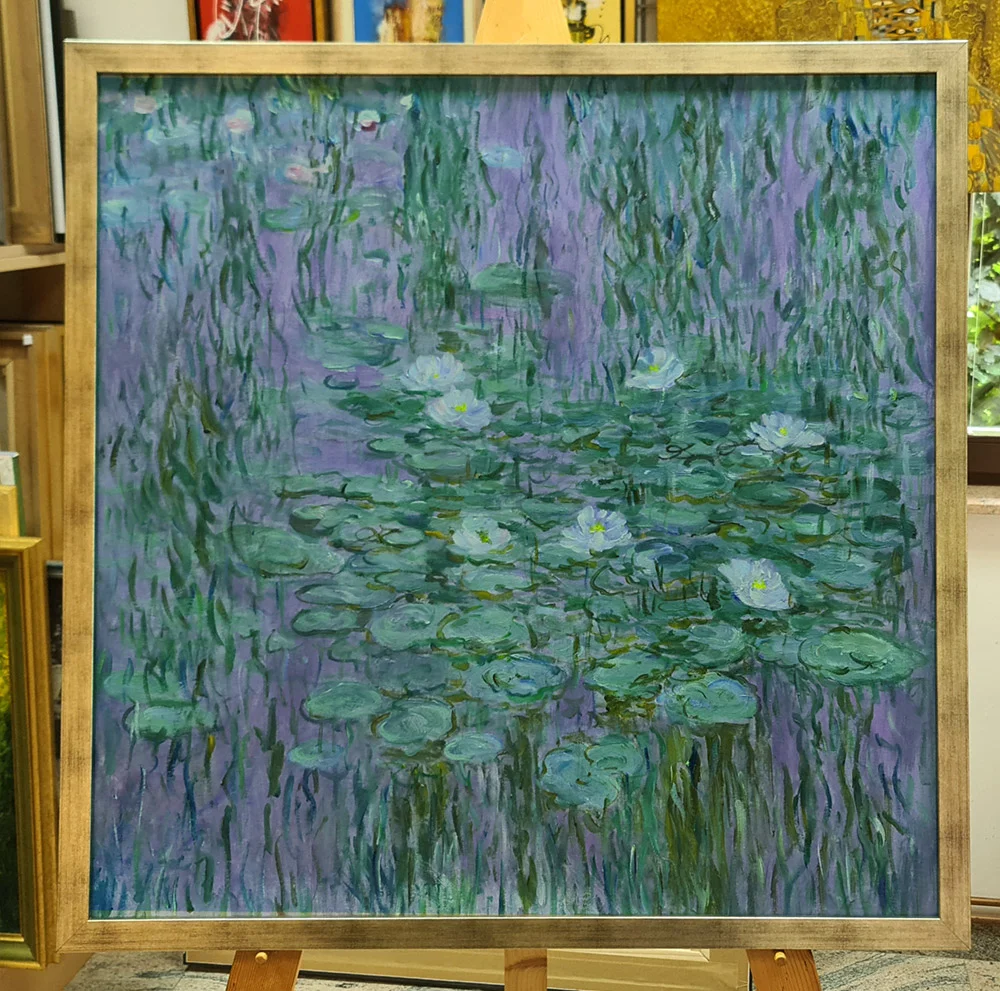
Blue Water Lilies is a hand-painted oil reproduction of a late work by Monet: the square canvas holds a grey-violet sheet of water crossed from above by long vertical strokes — the reflections of willows — with a broad band of lily pads and white flowers across the middle.
Blue Water Lilies – Claude Monet
What is on the canvas
The canvas is square, and there is no sky, no bank and no horizon — only water. The ground is
grey-violet, in places almost grey-blue, and down the whole height fall long vertical
strokes of green, blue-green and olive: the reflections of willow branches hanging above
the surface. Across the middle and a little lower lies a broad band of lily pads, painted as
blue-green ovals with dark outlines; the pads overlap and mass more densely in the lower half.
Among them stand seven or eight white flowers with yellow centres, and several more are only
indicated. At the upper left sit two pale pink blooms. Towards the top edge the surface grows
emptier and more violet, towards the bottom edge darker and bluer.
Verticals down the whole height
What is unusual here is not the subject but the direction. The lily pads lie horizontally, the
willow reflections fall vertically, and the two directions are painted one over the other on the
same surface. That is why the water does not read as a plane but as something with depth, though
not one line measures it. This oil on canvas reproduction is built from two kinds of stroke only:
long dragged ones for the reflections, short rounded ones for the pads. The colour stays cool
almost everywhere — the white flower is the single warm point, and that is exactly why the eye
goes to it.
The subject among Monet’s works
The green version of the same surface, without willow reflections, is
Water Lilies. The willows seen
here only as reflection stand in
The Water Lilies – Clear Morning with Willows,
and the single tree carries
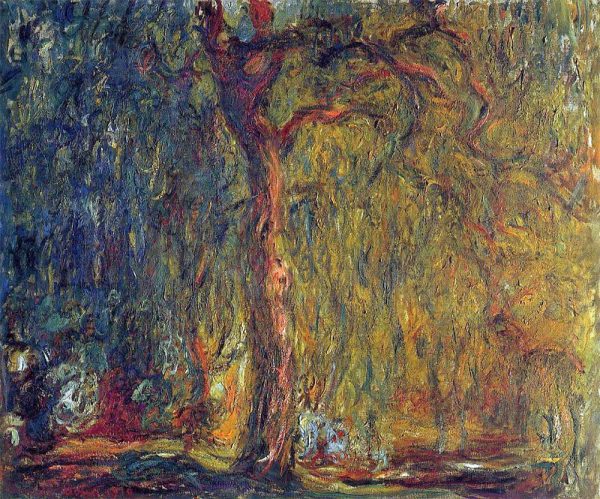
Weeping Willow. When Monet let
architecture into the scene the result was
The Water Lily Pond (Japanese Bridge).
Museum and record
The original is held by the Musée d’Orsay in Paris under accession number
RF 1981 40. The record enters it as oil on canvas measuring 200 x 200 cm. It
gives no year, however: the record does not tie the work to a single year but places it
in the 1910s. That is not a gap in the description but precision — Monet did not date
the late water lilies as he went, so the museum gives a span and not a date. For the same reason
no date appears here: what is stated is what is recorded.
How it works on the wall
The format is square, which is rare among large subjects and makes hanging easier: a square
does not ask for a wide wall but for a centre. Eleven sizes are offered, all square, from
50 x 50 cm to 200 x 200 cm. The smaller ones, 50 x 50 cm to 80 x 80 cm, suit a hallway, a
staircase or the wall beside a door. 90 x 90 cm, 100 x 100 cm and 120 x 120 cm are the usual
choices above a sofa or a sideboard. 200 x 200 cm is exactly the size of the
original and is offered, which is not common for work of that scale; it does ask for an
empty wall and some distance. Because the range of colour is cool and even, hand-painted canvas
art of this kind takes a brightly lit wall without trouble. As wall decor it reads more as a
field of colour than as a scene, and so it settles into a room that already has its furniture.
Hand-painted, not printed
This fine art reproduction is made with a brush, not a printer. In a print the reflection and
the pad are equally smooth, because the colour lies at the same thickness everywhere. Applied by
hand, the vertical strokes are dragged in one breath and stay thin, while the pads stand above
the canvas in thicker, rounded touches. So walking past the wall the pads catch the light before
the ground does, and the surface seems to move. Because it is handwork, every copy differs a
little.
Custom sizes, frame, ordering and lead time
If none of the eleven sizes fits, we paint to the size you set, keeping the ratio of the sides.
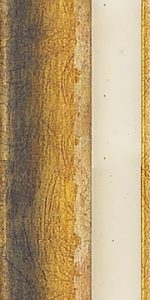
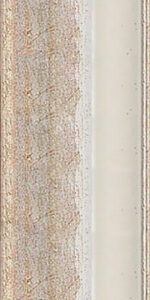
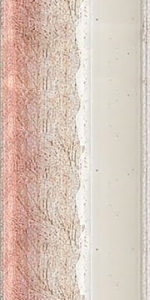
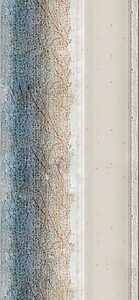
A 3D application is available for the frame — it is for frame selection only and
does not place the work in your room; the separate visualisation service does that. The lead time
is 15 to 45 days, and for the largest sizes usually nearer the upper end, because
the work is painted to order. Before dispatch we send you a photograph of the finished piece for
approval. Further reproductions on canvas and famous paintings on canvas are in the
Claude Monet gallery.
- Subject: a grey-violet sheet of water with vertical willow reflections, a band of lily pads and white flowers across the middle.
- Technique: oil on canvas; reflections in long dragged strokes, pads in short rounded touches.
- Sizes: square format, eleven sizes from 50 x 50 cm to 200 x 200 cm; the largest is exactly the size of the original.
- Worth knowing: the museum record gives no year, only the decade — Monet did not date the late water lilies as he went.