




Description
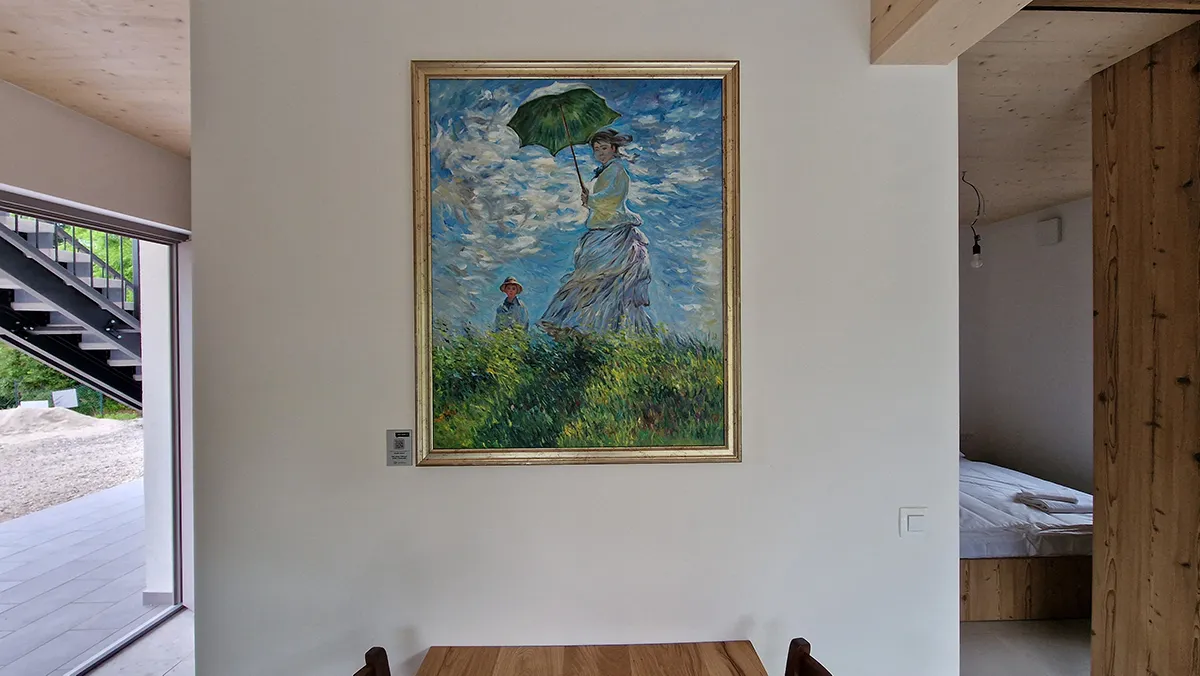
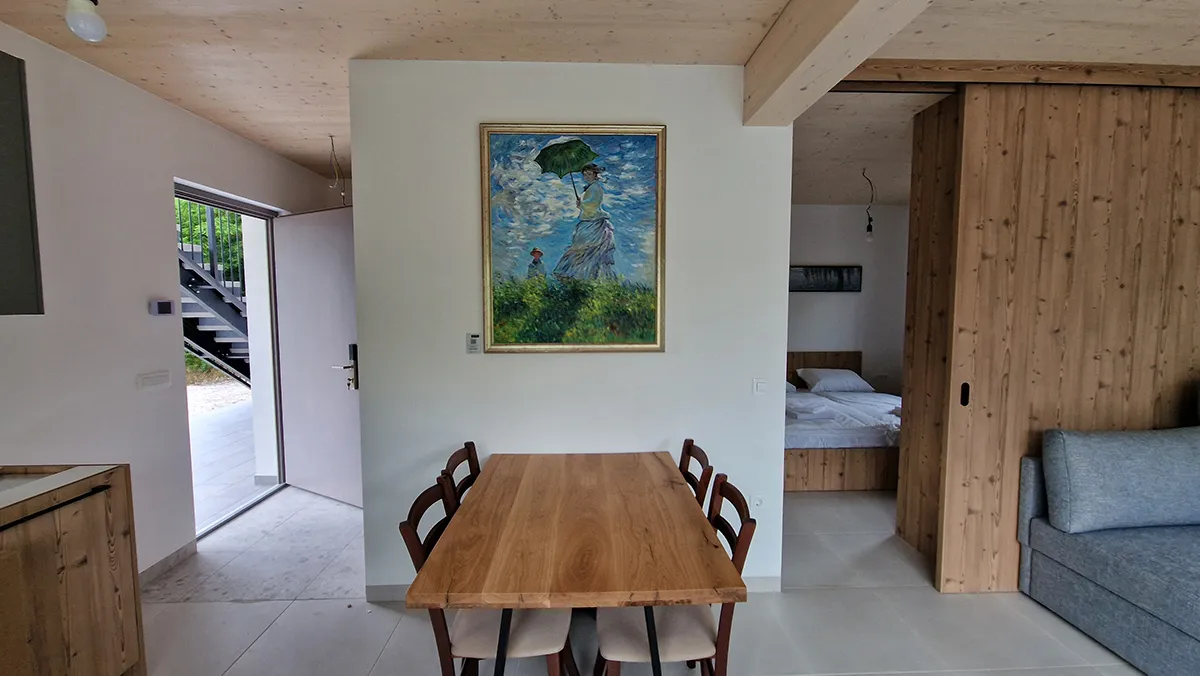
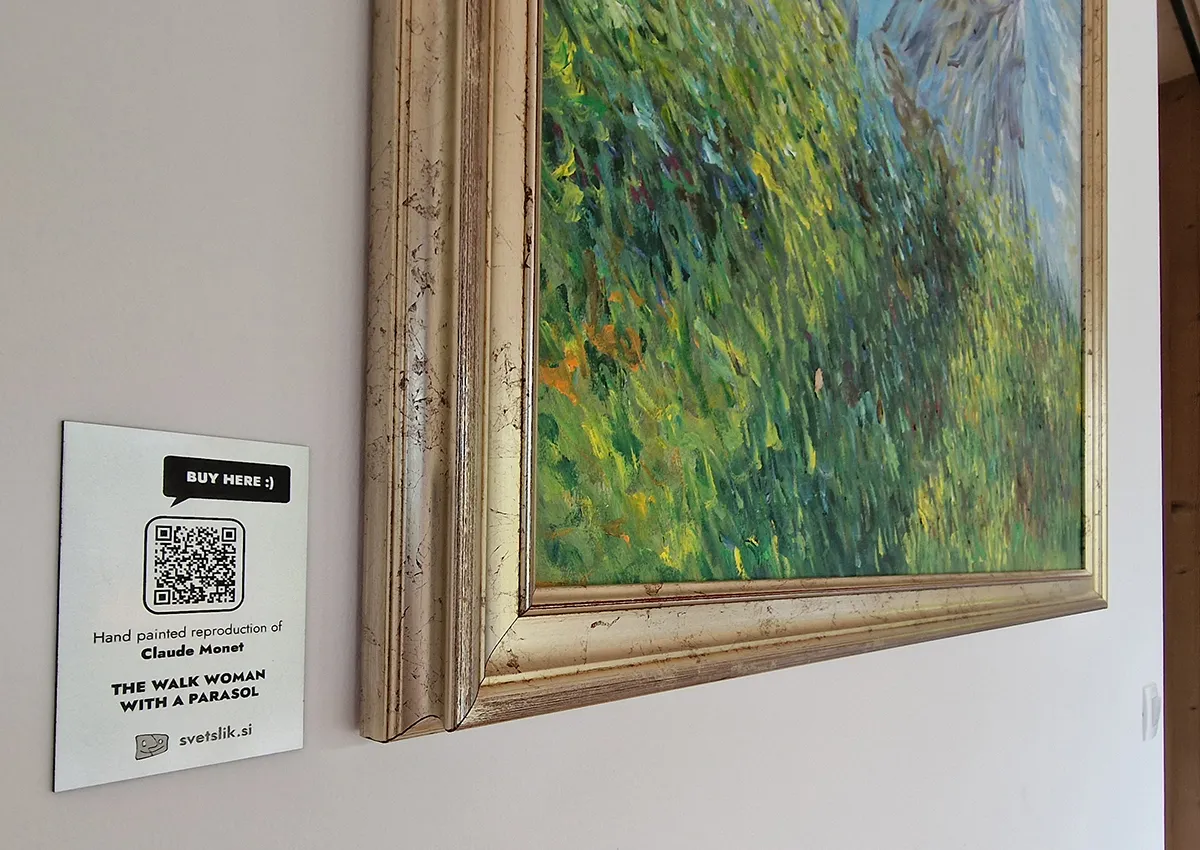
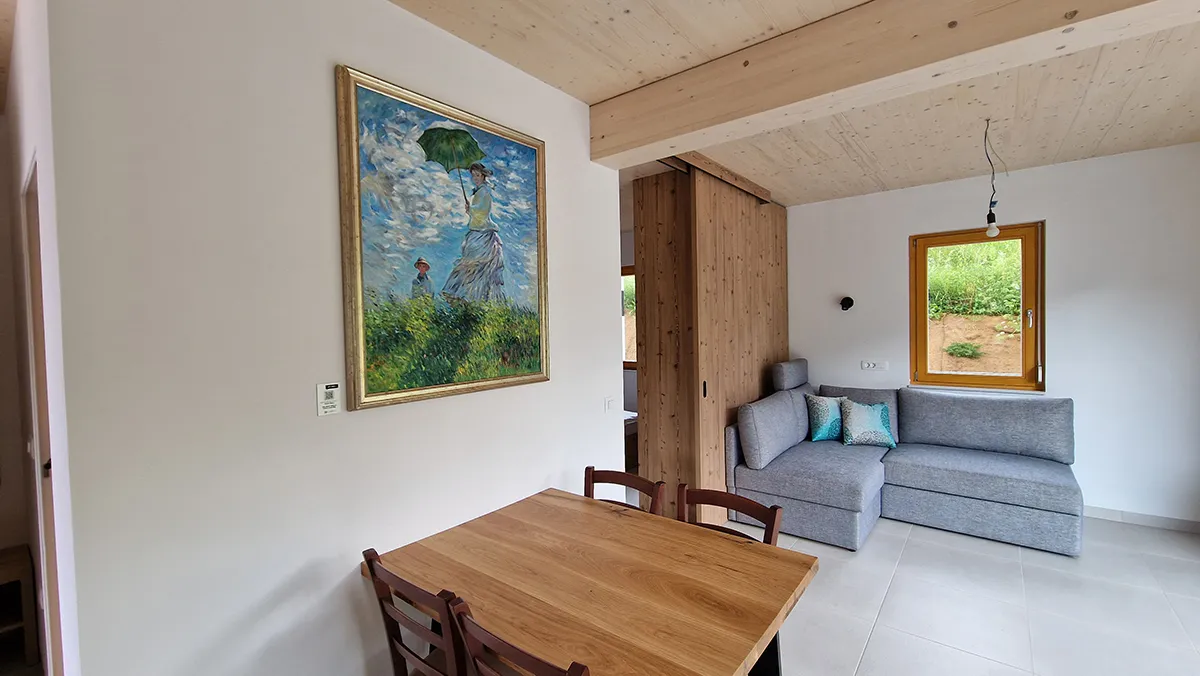
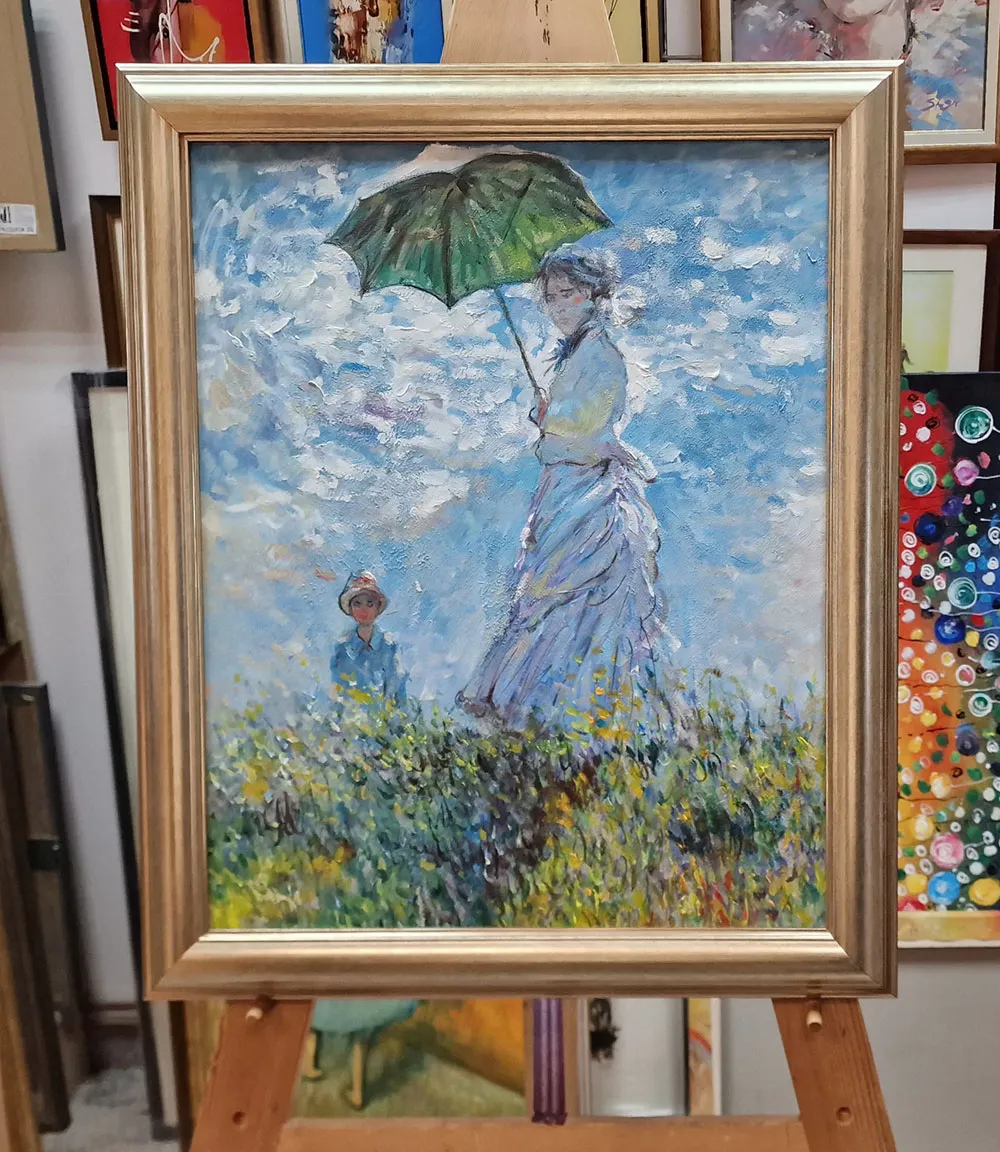
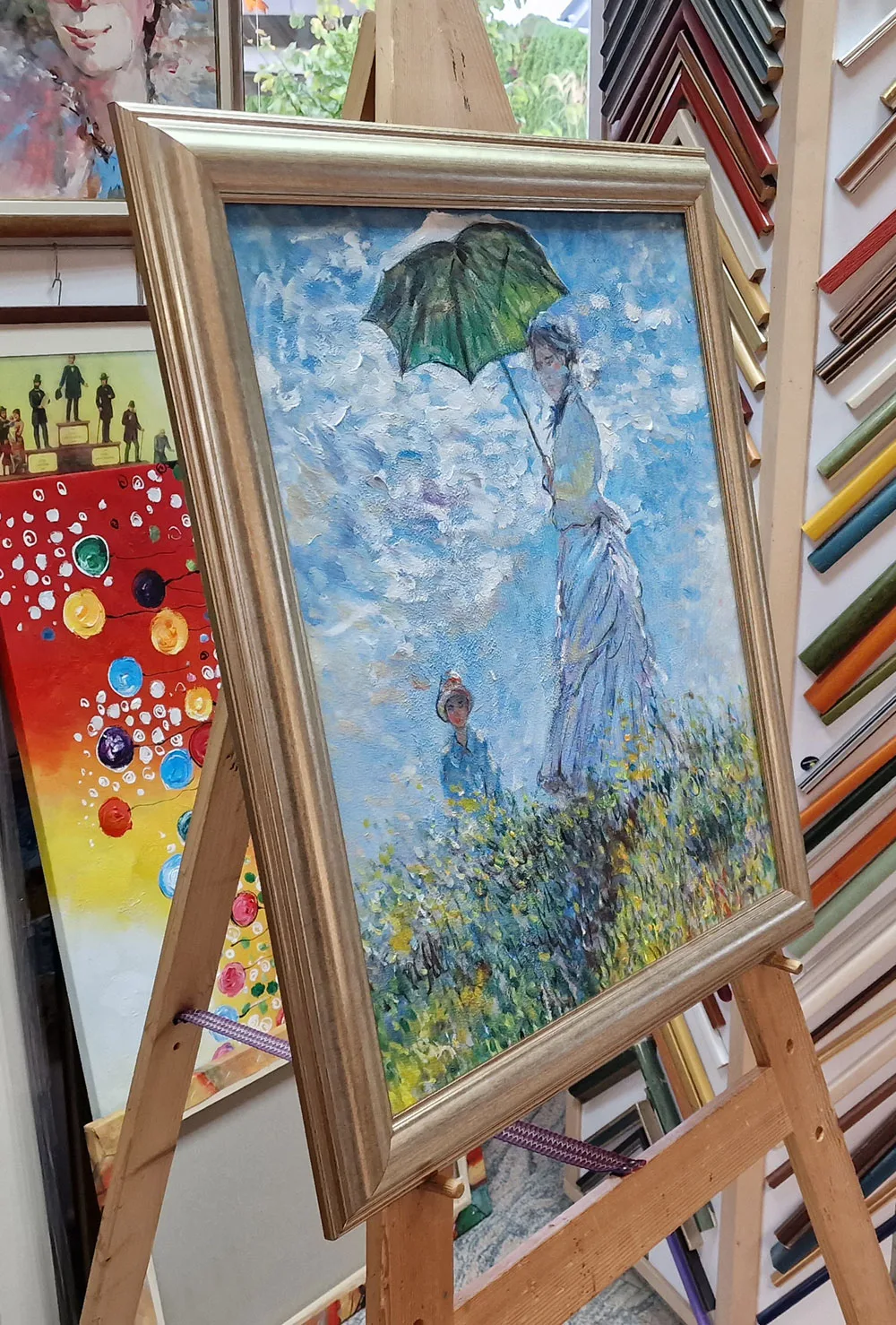
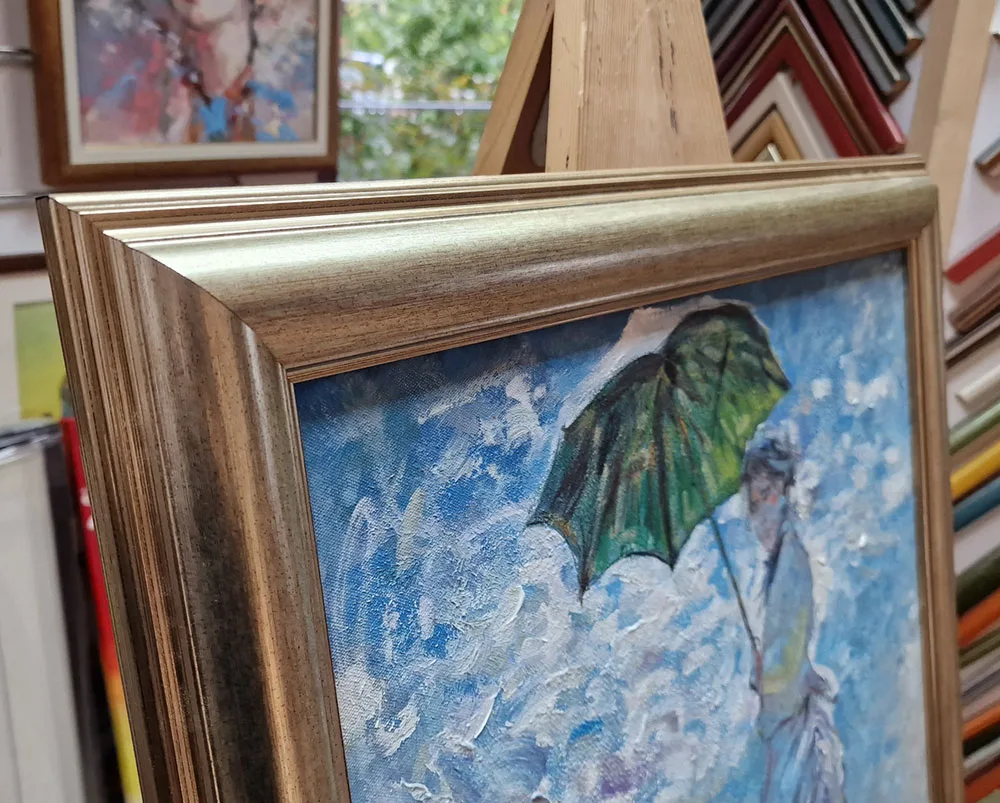
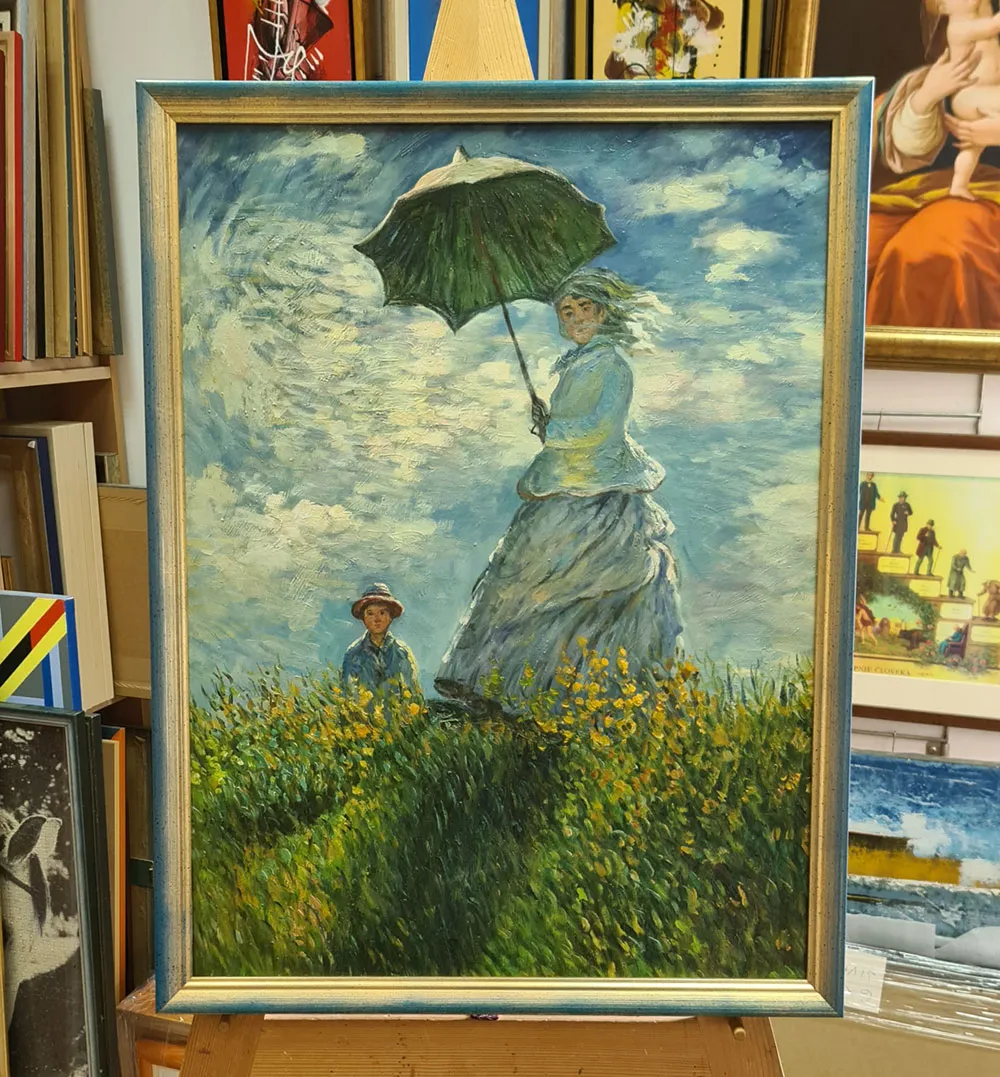
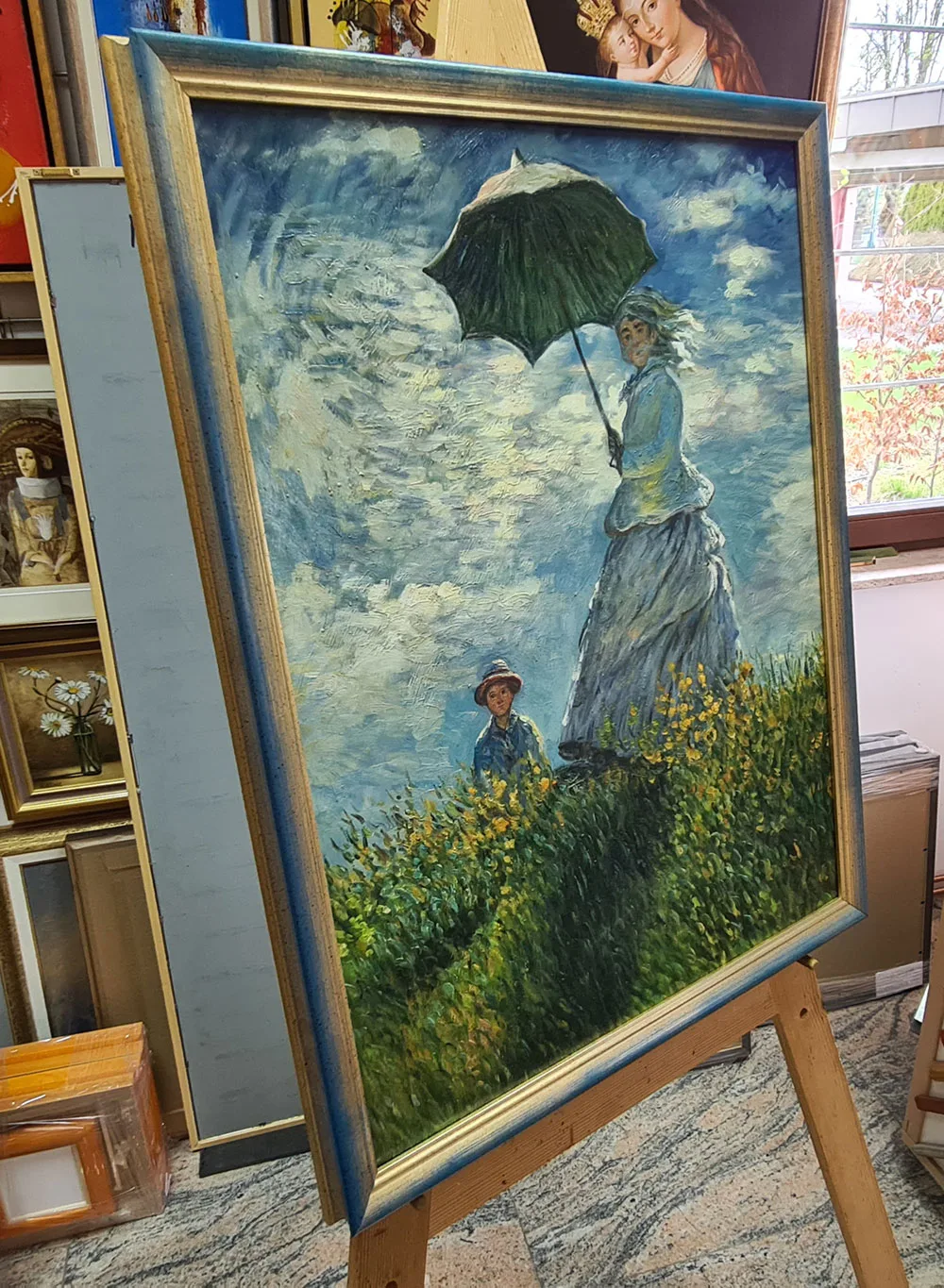
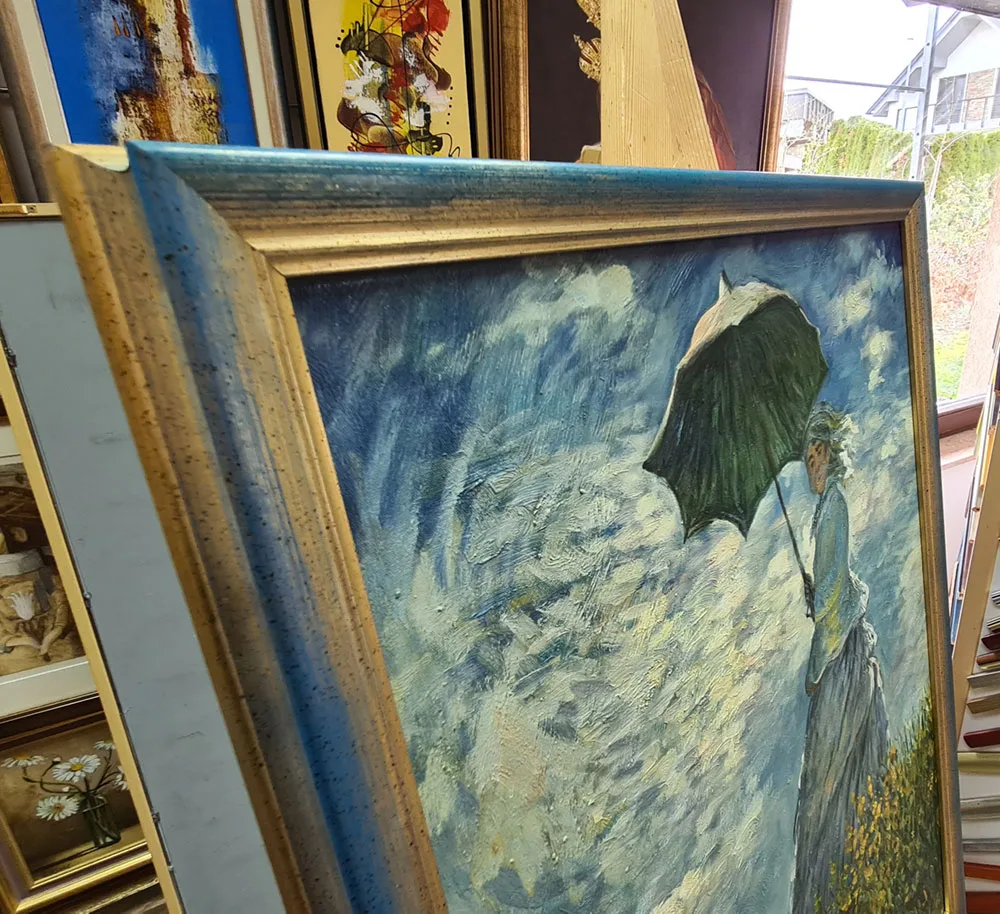
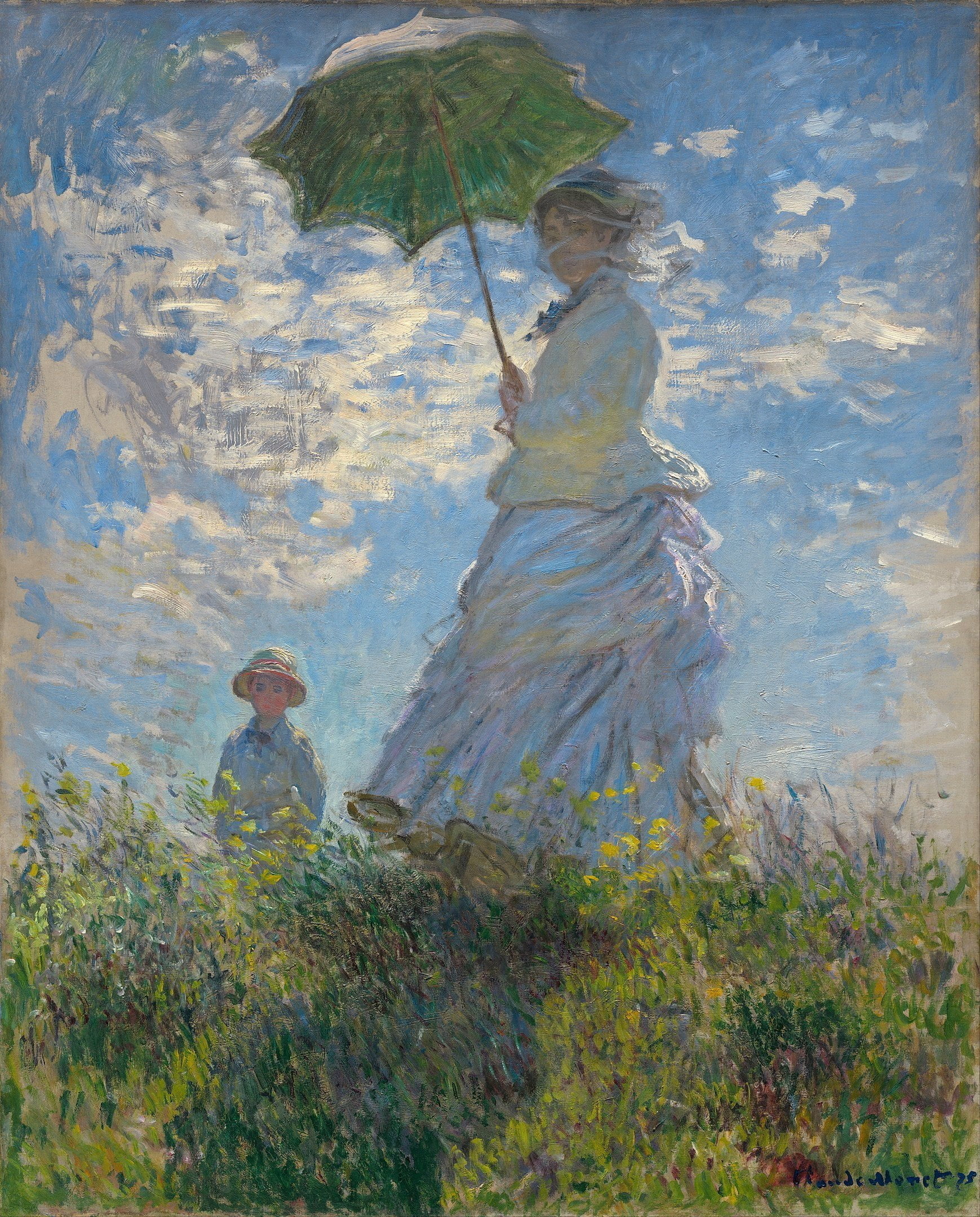
Woman with a Parasol, Madame Monet and Her Son is Monet’s 1875 work showing his wife Camille and their son Jean on a windy grassy slope near Argenteuil. The original is held by the National Gallery of Art in Washington under accession number 1983.1.29. With us it is made as a hand-painted oil painting on canvas, in eight sizes or to your own measurements.
| Title: | Woman with a Parasol – Madame Monet and Her Son |
| Other titles: | The Walk · La Promenade · The Stroll |
| Painter: | Claude Monet (1840–1926) |
| Year painted: | 1875, signed “Claude Monet 75” lower right |
| Original size: | 81 cm x 100 cm |
| Original technique: | Oil on canvas |
| Painting style: | Impressionism |
| Located at: | National Gallery of Art, Washington (accession no. 1983.1.29) |
| Our reproduction: | hand-painted oil on canvas, 8 sizes from 40 x 50 cm to 150 x 200 cm, custom sizes on request |
Woman with a Parasol – Madame Monet and Her Son – Claude Monet
Who is in the picture?
Camille Doncieux, Monet’s first wife and the model for most of his figure works of the 1860s and 1870s. The boy, hidden to the waist in the grass, is their son Jean Monet, born in 1867 and so about seven years old. The family lived in Argenteuil from 1871 to 1878, a riverside town just outside Paris, and the meadow in the scene lies on a slope above the Seine. Camille died in 1879, aged thirty-two. It is also why so many people look for it simply as that Monet with the woman and the little boy.
What is on the canvas?
The canvas is upright and the viewpoint is low, as though the painter had been sitting in the grass below her, so the background is almost entirely sky. Camille holds a green parasol tilted back; its underside shades her face and tints it a cool green, while the sun from behind bleaches the top of it and the veil streaming from her hat. The white dress, closed at the throat by a dark bow and washed here and there with lilac, opens toward the ground into a broad triangle. Yellow and violet flowers are scattered through the grass, and her long shadow runs down the slope toward us. Jean stands further off, visible only from the waist up, in a light jacket and a straw hat with a dark band. Clouds, veil, dress and grass all run the same way: the wind is in every part of the scene before you notice a single detail.
Why is this painting important?
Monet painted it outdoors, in all likelihood in a single sitting, and at 81 x 100 cm it was the largest canvas he took on in the 1870s. It is not a posed portrait but a moment from a family walk: Camille has turned as if the painter had just called her name. When it hung in the second Impressionist exhibition in Paris in 1876, critics singled out precisely that spontaneity. The face is painted as loosely as the clouds, which broke the rules of academic portraiture and is why the scene still feels alive.
What does the painting mean?
It does not tell a story; it holds a moment. Instead of an event there are wind, light and one glance: Camille has turned, and the parasol lays a greenish shadow on her face. The low viewpoint puts the viewer in the grass, as though part of the family on its walk, not a visitor at a portrait. Jean is almost a secondary figure – and that is what gives the scene its lightness. Today we also read it as a picture of brief family happiness: Camille died four years later, and Monet never painted her so large again. As an impressionist painting made en plein air, it is also a textbook example of how to paint atmosphere instead of an object.
Is this the 1875 Walk or an 1886 version?
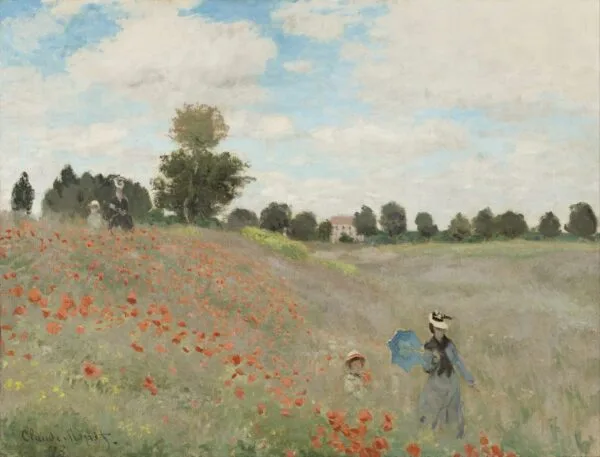
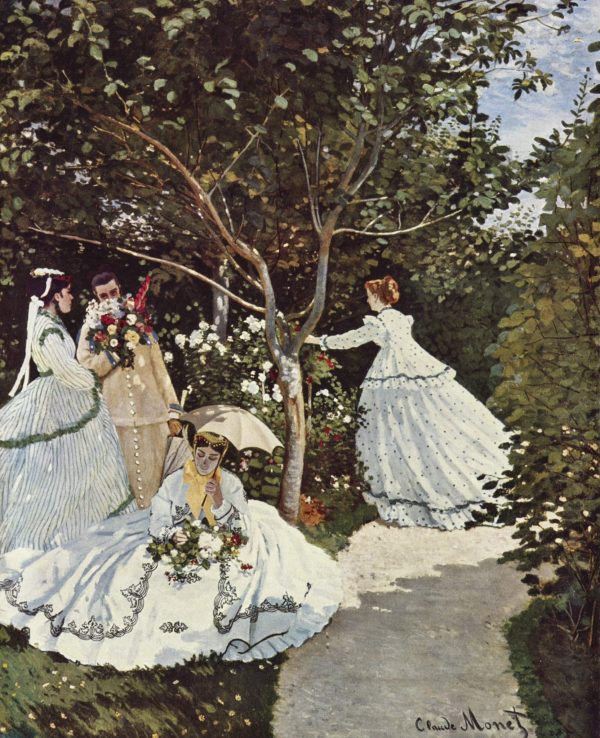
Eleven years later Monet returned to the motif at Giverny, this time with Suzanne Hoschedé, his future stepdaughter, and painted two studies now in the Musée d’Orsay: the left-facing version and its right-facing pair. Those two are taller, measuring 131 x 88 cm, have no child, and leave the face deliberately blank. Many online shops mix all three up and sell the wrong figure under the title The Walk. If the scene you remember has a boy in the grass and a woman looking toward you, it is the 1875 work – and this is its page. Monet’s other outdoor figures on this shelf are Women in the Garden, Poppy Field (Giverny) and Corner of the Garden at Montgeron.
How is our hand-painted reproduction made?
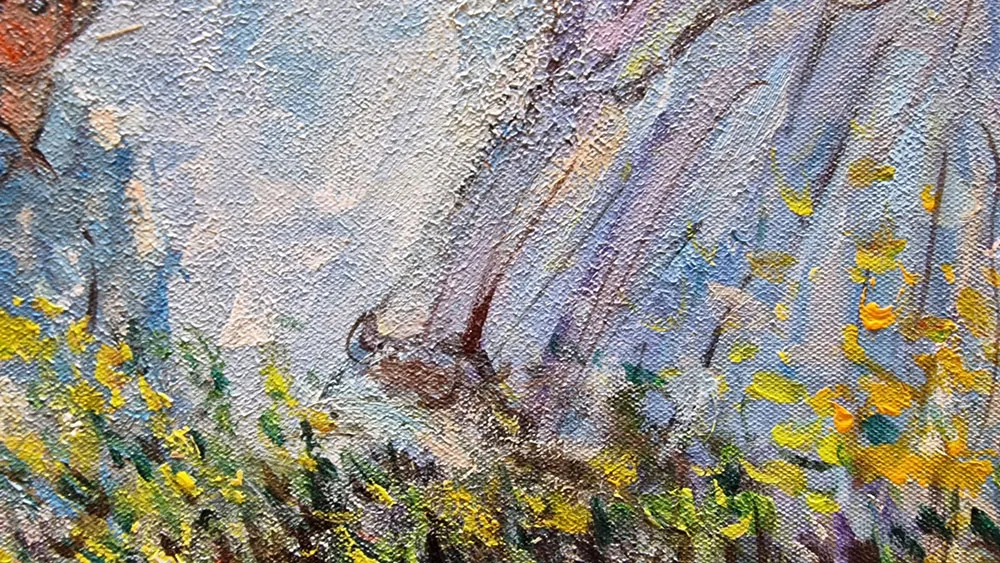
This is a canvas painting made with a brush and oil colour, not with a printer. The painter works from a high-resolution museum reference so that the green of the parasol and the lilac of the dress are right, and builds the surface the way Monet did: thick, standing strokes in the clouds and the dress, a thinner layer in the grass. That relief is exactly what a print cannot give you, because there is nothing on it to cast a shadow; light catches the ridges of paint differently in the morning and in the evening. In the tenth photograph the surface is shot close up, and the densely loaded paint in the grass with its yellow flowers visibly stands above the weave. In the seventh and twelfth photographs the finished work sits on the easel. Because everything is done by hand, no two are ever quite alike: every hand-painted copy, every oil painting reproduction we ship, is its own object.
Under the description runs a 31-second video: the finished canvas stands framed on the easel in our workshop, exactly as it looks just before it is packed.
Which size for which wall?
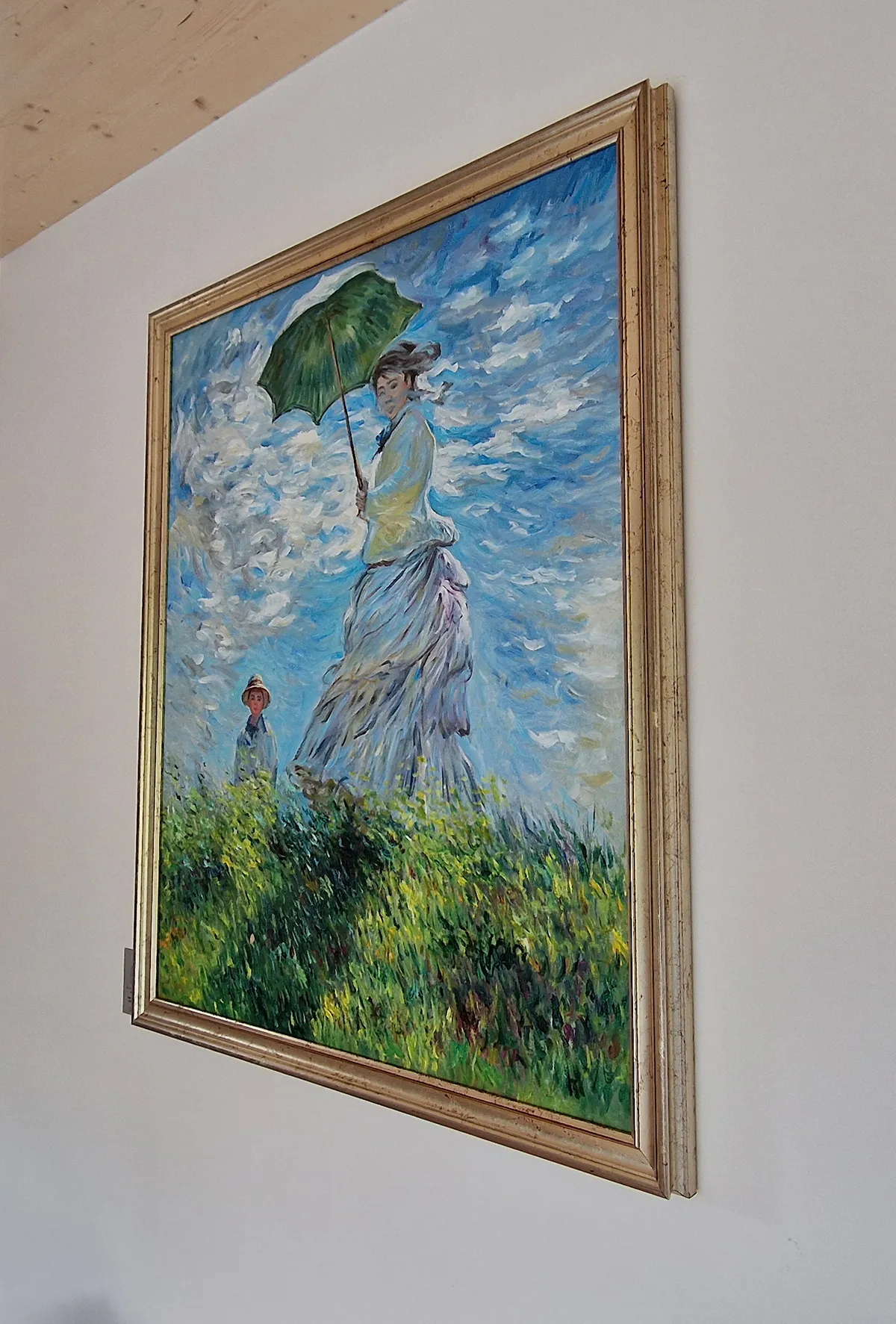
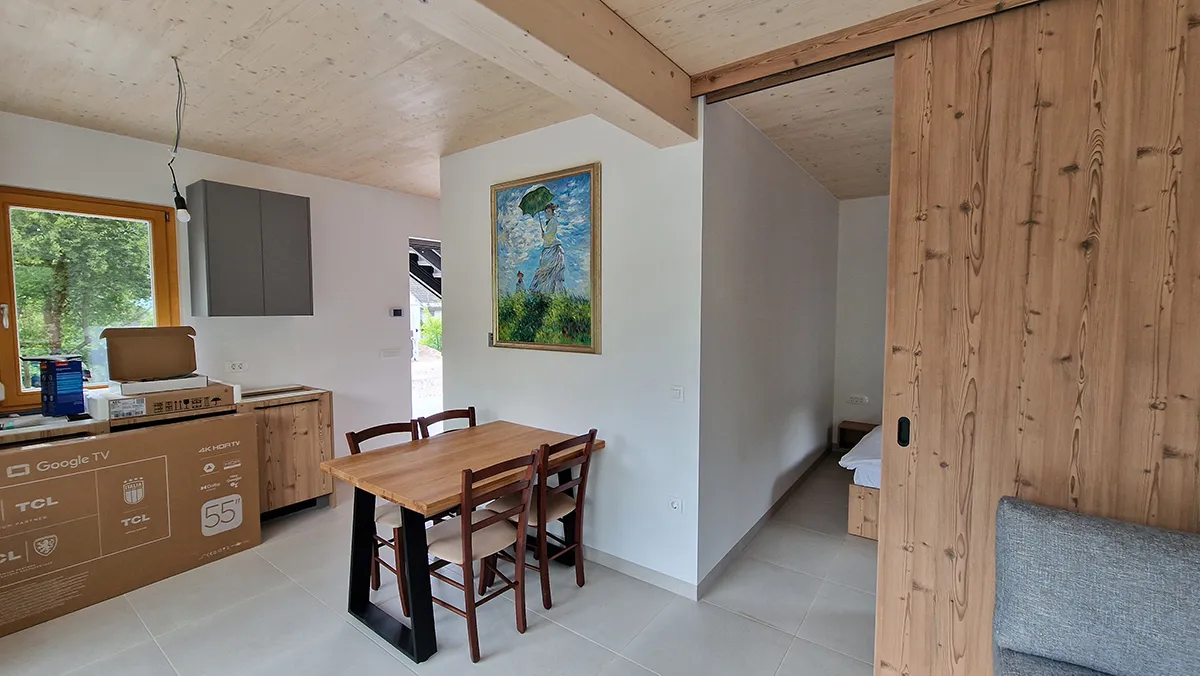
If you are unsure which: 80 x 100 cm. The original measures 81 x 100 cm, so our 80 x 100 cm is very nearly one to one and the most natural painting for living room walls above a sofa or a bed. The format is upright, in a 4 : 5 ratio, and because the horizon sits low the scene reads best hung a little higher than usual. 40 x 50 and 50 x 60 cm belong in a hallway, on a narrow wall between doors, or in a group; 60 x 80 and 70 x 90 cm sit well above a chest of drawers or a desk; 90 x 120, 120 x 160 and 150 x 200 cm are for stairwells, tall rooms and large walls where the sky needs room to breathe. The second, third and fourth photographs show how impressionist wall art behaves in real rooms.
Custom size, stretcher and frame
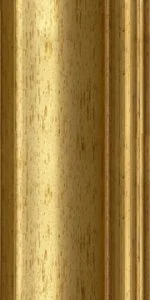
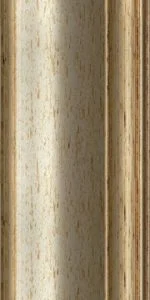
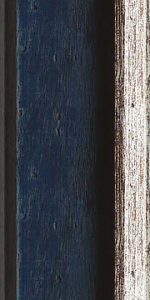
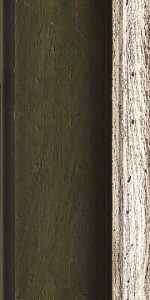
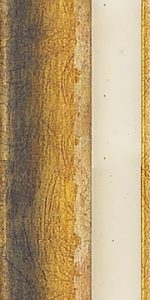
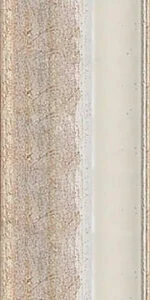
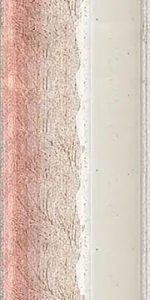
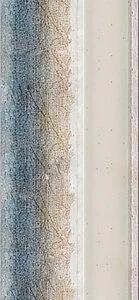
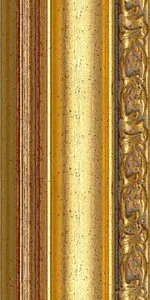
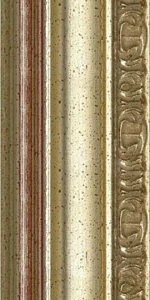
If none of the eight sizes suits your wall, we paint to your measurements and keep the 4 : 5 ratio so the figure is never squeezed; that is our painting made by order. Every copy is delivered stretched on a wooden stretcher and ready to hang. For the moulding, use our 3D application: it shows every one of our frame profiles on this subject, so you can compare gold, silver, black, white and natural wood before deciding – the application is for choosing the frame only. If you want to see how it will look on your own wall, that is our separate room-placement service.
Delivery and guarantee
Every copy is painted to order, so allow 15 to 45 days depending on the size you choose; stretching and framing are done in our workshop in Slovenia. We ship it stretched and protected for transport, framed if you chose a frame, across the EU with no customs. Before dispatch you receive a photograph of the finished work to approve, and our returns policy applies to every order. The full range is in the Claude Monet gallery, and the painter’s life is set out in our Claude Monet article.
Frequently asked questions
Where is the original?
At the National Gallery of Art in Washington, accession number 1983.1.29.
Who are the two people in the painting?
Camille Monet, the painter’s wife, and their son Jean, about seven years old, painted in 1875 near Argenteuil.
Is The Walk the same work?
Yes. The Walk, La Promenade and The Stroll are all titles for this same 1875 work.
Is this a print?
No. It is a Monet reproduction painted by hand in oil on canvas; the brushstrokes are visible and can be felt.
Which size should I choose?
80 x 100 cm matches the original almost exactly; for smaller and larger walls see the size guide above.
Can I have a size that is not listed?
Yes, we paint to measure and keep the original’s proportions.
How is it delivered?
Stretched on a stretcher, and framed if you chose that, in 15 to 45 days, once you approve the photograph of the finished work.
What is the painting about, in one sentence?
A held moment rather than a story: wind, light and a glance; the low viewpoint puts you down in the grass with the family.
Is the original for sale, and what is it worth?
No. It is in the public collection of the National Gallery of Art and is not for sale; a hand-painted canvas is the only way to have it at home.
How high should I hang it?
The centre at eye level, roughly 145–150 cm from the floor; above a sofa 15–25 cm above the back. With the low horizon it can sit a little higher.
Does it work as a gift?
Yes. The 50 x 60 cm size arrives stretched and framed, ready to hang; for an anniversary, a wedding or a birthday it is the most ordered Monet motif on our shelf. If you would rather leave the choice to the recipient, there is a voucher.
- Subject: Camille Monet with a green parasol and Jean in the grass, low horizon, windy sky – Argenteuil, 1875
- Original: 81 x 100 cm, oil on canvas, National Gallery of Art, Washington
- Our version: hand-painted in oil, eight sizes from 40 x 50 to 150 x 200 cm, stretched and framed on request
- Worth knowing: the green parasol is the only large cool, dark shape – cover it and the whole thing falls apart into sky and grass