



Description
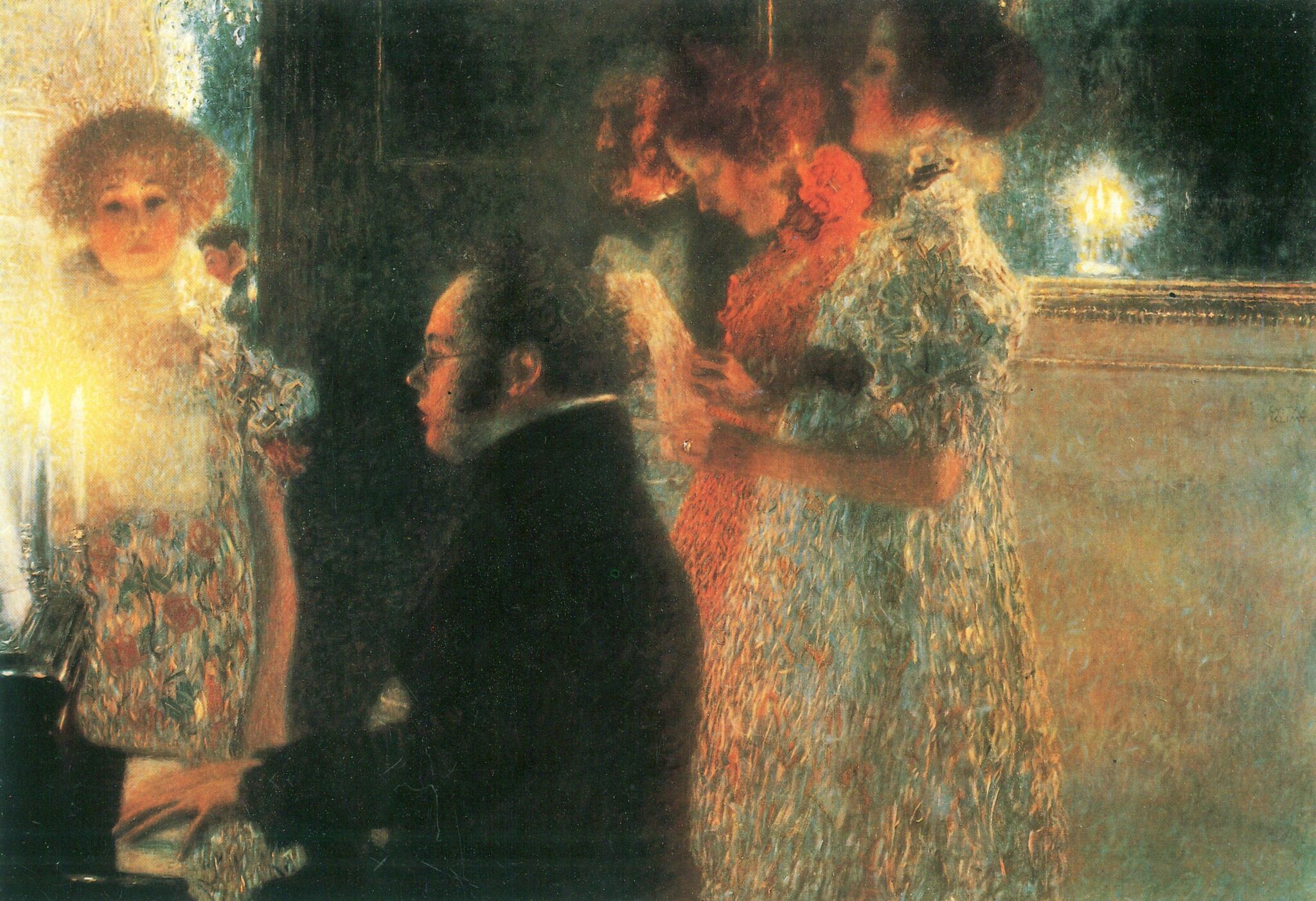
Schubert at the Piano is Klimt’s glowing painting of 1899: the composer Franz Schubert sits at the piano by candlelight, surrounded by women in light dresses who listen, all painted in soft, shimmering strokes. The original was destroyed by fire in 1945, so today it survives only in reproductions. We paint it by hand in oil on canvas after the surviving colour reproduction, in five landscape sizes from 65 x 52 to 120 x 100 cm or to your own measurement, and send you a photograph of the finished work for approval before dispatch.
| Title: | Schubert at the Piano |
| Other titles: | Schubert am Klavier · Schubert al pianoforte · Schubert za klavirjem |
| Painter: | Gustav Klimt (1862–1918) |
| Year painted: | 1899 |
| Original size: | 150 cm x 200 cm |
| Original technique: | Oil on canvas |
| Painting style: | Vienna around 1900, the early Secession years |
| Located at: | Destroyed in 1945 at Schloss Immendorf, Lower Austria |
| Our reproduction: | Hand-painted oil on canvas after the surviving colour reproduction, five landscape sizes or made to measure |
Schubert at the Piano – Gustav Klimt
What does the painting show?
Franz Schubert sits at the piano a little off-centre, in a dark formal coat and round glasses, his fingers curved above the keys. Around him stand three women in light, softly painted dresses of the 1820s, and at least one man listens in the background. The scene is lit by candles: warm light falls on the faces and the dresses, while the room behind them sinks into darkness.
Klimt painted the listeners with loose, flickering strokes, so that the dresses and faces seem to dissolve in the candlelight. Only Schubert is set down more firmly, dark against the light. The painting feels less like a portrait than like the memory of an evening of music.
Why was Schubert at the Piano destroyed?
In the last days of the Second World War, thirteen paintings by Klimt were stored at Schloss Immendorf, a castle in Lower Austria. In May 1945 an SS unit set the castle on fire, and eyewitnesses reported that no artwork survived. Schubert at the Piano and its companion, Music II, were among the works lost.
What we know of the painting today comes from reproductions made before the fire, including a colour reproduction. Our hand-painted version follows that surviving colour reproduction as closely as possible. For a buyer this is a rare chance to hang a Klimt that no museum can show anymore.
What does the painting mean?
Schubert at the Piano is a tribute to music and to the Vienna of Schubert’s time. Franz Schubert (1797–1828), the Viennese composer of songs and symphonies, often played for friends at small musical evenings; Klimt imagines such an evening, intimate and warm, some seventy years after the composer’s death.
Klimt does not show a concert hall but a private room, and that is the point: music as something shared by a few people in candlelight. The soft, blurred painting of the listeners makes the moment feel like a memory rather than a record, and that dreamlike quality gives the painting its charm.
Where was the original, and how did it come about?
Klimt finished Schubert at the Piano in 1899, in oil on canvas, about 150 by 200 cm. It was possibly commissioned in 1898 by Nikolaus Dumba, a Greek-born industrialist in Vienna, for his music salon; the sources are not certain on this point, so we say possibly. The painting was a companion to Music II, another work on the theme of music.
Since the fire of 1945 the original no longer exists. You can read more about the painting on Wikipedia and about the painter’s life on Wikipedia’s page on Gustav Klimt. Our version is not a print: it is painted for you, by hand, at the size you choose.
Schubert at the Piano among Klimt’s works
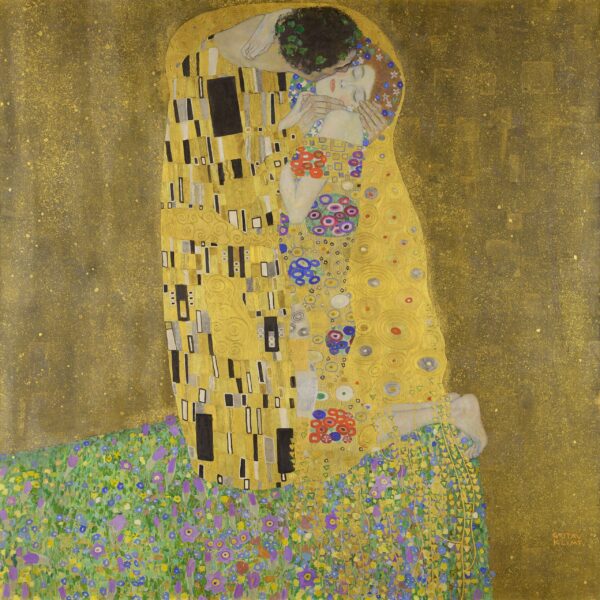
The painting stands at a turning point, between Klimt’s academic beginnings and his golden period, and our gallery shows the whole path. Idyll of 1884 comes from his early years; Music I of 1895 shows a woman playing a golden kithara and shares the theme of music; Love of the same year has the same soft, dreamy light; and with The Kiss he reached the gold that made him famous.
Choose Schubert at the Piano if you love music, if you play the piano yourself, or if you want a Klimt with warm candlelight instead of gold. Its landscape format fits above a piano, a sofa or a sideboard. If you want the famous golden Klimt, The Kiss is the stronger choice; Schubert at the Piano is the warmer, more intimate one.
How do we paint Schubert at the Piano by hand?
The painter works from the surviving colour reproduction and first lays in the dark background and the warm light of the candles, because the whole painting depends on that contrast. Then come the figures: Schubert set down firmly in his dark coat, and around him the women in light dresses, painted with short, loose strokes so that they shimmer.
The hardest part is keeping the softness: if the dresses become too sharp, the dream is gone. A printed oil painting reproduction flattens the flicker of the brushwork; by hand the strokes stand on the canvas and catch the light. Every painting is a hand-painted copy made for your order, so no two are ever quite the same.
Which size for which wall?
Short answer: 100 x 80 cm above a sofa or a sideboard, 120 x 100 cm for a large wall or a room with a grand piano, and 65 x 52 or 70 x 60 cm for a study, a hallway or the wall above an upright piano. The original was large, about 200 by 150 cm, so even our largest size is smaller; a larger canvas can be painted to measure.
There are five landscape sizes: 65 x 52, 70 x 60, 90 x 70, 100 x 80 and 120 x 100 cm, width first. They stay close to the original’s proportion of four to three, so the group around the piano keeps its balance. A painting for the living room should take up about two thirds of the width of the furniture below it; above a sofa 150 cm wide, that is 100 x 80 cm.
Hang it with the centre of the canvas about 150 cm above the floor, and 20 to 30 cm above a sofa, a sideboard or a piano.
Custom size, stretcher and frame
If none of the five sizes fits your wall, we paint it to measure, also larger, up to the size of the original; keep it in landscape and close to four to three, so that the scene is not stretched. Send us the width and height you want and we will quote a price and a lead time. Every painting we make is stretched over a wooden stretcher and ready to hang.
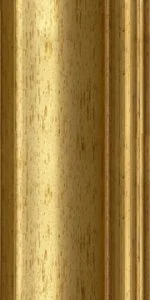
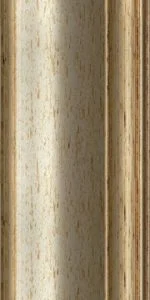
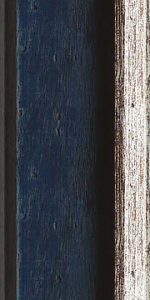
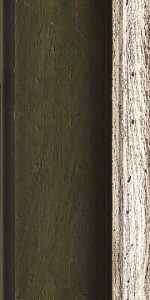
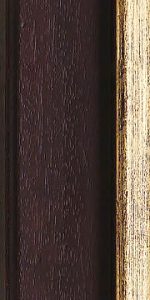
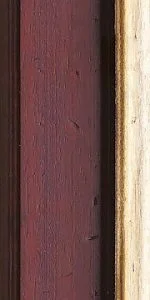
For the moulding, use our 3D application: it shows every one of our frame profiles on this subject, so you can compare gold, silver, black, white and natural wood before deciding – the application is for choosing the frame only. If you would like to see how the painting will look on your own wall, that is our separate room placement service. A dark wood or warm gold frame suits the candlelight; a thin black frame looks calm and modern.
Delivery and guarantee
Every painting is made to order in our studio in Slovenia, so allow 15 to 45 days depending on the size you choose. We ship it stretched and protected for transport, framed if you chose a frame, across the EU with no customs. Before dispatch you receive a photograph of the finished work to approve; if anything is not right, we correct it while the canvas is still in our workshop. Our returns policy applies to every order.
If it is a present and you do not know the right size, there is a wall art voucher. Every other Klimt work we paint is in the Gustav Klimt gallery, and there is more on the painter in our article ten interesting facts about Gustav Klimt.
Frequently asked questions
Where is the original of Klimt’s Schubert at the Piano?
The original no longer exists. In May 1945 it was destroyed when an SS unit set fire to Schloss Immendorf in Lower Austria, where thirteen Klimt paintings were stored; eyewitnesses said no artwork survived. Today the painting is known only from reproductions made earlier, including a colour reproduction, after which we paint our copy.
What does Klimt’s Schubert at the Piano show?
It shows the composer Franz Schubert at the piano, a little off-centre, in a dark formal coat and glasses, with his fingers above the keys. Around him stand three women in light dresses of the 1820s and at least one man, all listening. Warm candlelight falls on the group against a dark background.
Who commissioned Schubert at the Piano?
Possibly Nikolaus Dumba, a Greek-born industrialist in Vienna, in 1898, for his music salon; the sources are not certain, so we keep it at possibly. What is certain is that Klimt finished the painting in 1899 and that it was a companion to Music II, another painting on the theme of music, which was also lost in 1945.
Why did Klimt paint Schubert?
Klimt painted Schubert as a tribute to music and to old Vienna. Franz Schubert (1797–1828) was a Viennese composer who often played for friends at small musical evenings, and the painting imagines such an evening by candlelight. It turns a historic figure into a warm, dreamlike memory rather than a formal portrait.
Can I still buy Schubert at the Piano if the original was destroyed?
Yes. Because the original burned in 1945, no one can own it or see it in a museum, but you can have a hand-painted version. We paint it in oil on canvas after the surviving colour reproduction, in one of five sizes or to measure, and send you a photograph of the finished painting for approval before dispatch.
Which size of Schubert at the Piano should I choose?
For most rooms 100 x 80 cm above a sofa or sideboard is the best choice. 120 x 100 cm suits a large wall or a room with a grand piano, and 65 x 52 or 70 x 60 cm suits a study, a hallway or the wall above an upright piano. Larger sizes, up to the size of the original, are possible to measure.
Which room does Schubert at the Piano suit?
It suits a living room, a music room, a study or any wall above a piano. The warm candlelight and dark background go well with wood, leather and deep colours, and the scene brings a calm evening mood. For anyone who plays or loves music, a canvas painting like this one easily becomes the centre of the room.
Is Schubert at the Piano a good gift for a musician?
Yes, it is one of the most fitting Klimt paintings for a pianist, a music teacher, a singer or anyone who loves classical music. It is unusual, personal and warm. If you are unsure of the size, choose 100 x 80 cm, or give a voucher so that the recipient can choose the painting and the size.
What is the difference between Schubert at the Piano and Music I?
Both are about music, but they look very different. Music I (1895) is small and symbolic: a woman playing a golden kithara beside a sphinx, with an early touch of gold. Schubert at the Piano (1899) is a large, warm candlelit scene of a real composer among listeners. Choose Music I for symbolism, Schubert for atmosphere.
- Subject: Franz Schubert at the piano by candlelight, among women in light dresses who listen.
- Original: 1899, oil on canvas, about 150 x 200 cm, destroyed in 1945 at Schloss Immendorf.
- Ours: a Klimt reproduction painted by hand in oil on canvas after the surviving colour reproduction, in five landscape sizes or made to measure.
- Worth knowing: you receive a photograph of the finished work for approval before dispatch.