


Description
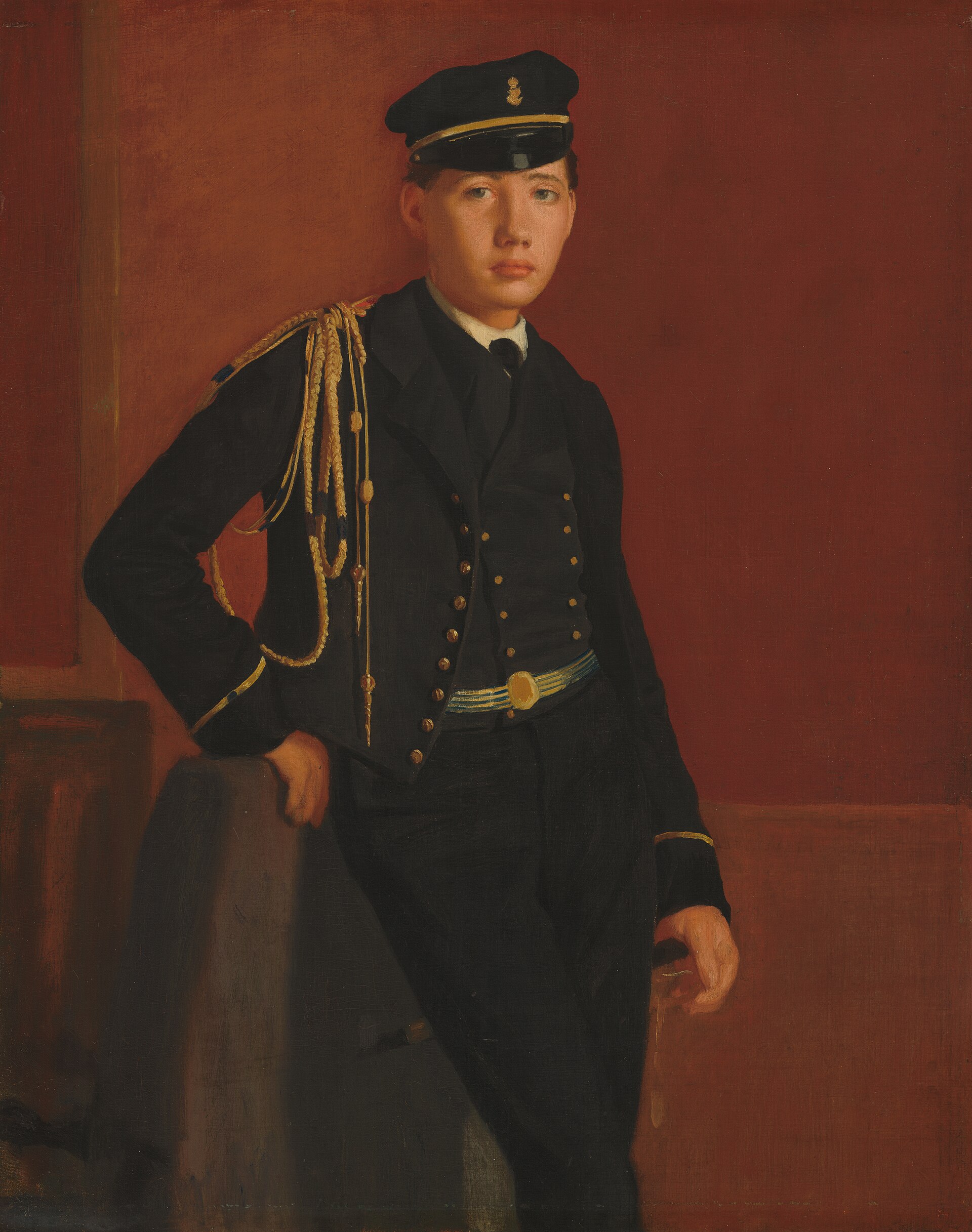
Achille De Gas in the Uniform of a Cadet shows a very young man in a dark blue naval uniform, standing in front of a plain red-brown wall. On his head is a black peaked cap with a gold anchor and a gold band; a gold cord with tassels hangs over his left shoulder, and a blue-and-gold striped belt with a gold buckle runs round his waist. His right hand rests on a dark chair back behind him, his left hangs at his side. He has turned his head slightly and looks past us. The original is an oil painting on canvas and is held by the National Gallery of Art in Washington under the accession number 1963.10.123. We make it as a hand-painted work, in sizes from 30 x 45 to 100 x 140 cm or to your own measurements, and you receive a photograph of the finished work for approval before dispatch.
| Title: | Achille De Gas in the Uniform of a Cadet |
| Other titles: | Achille de Gas en aspirant de marine |
| Painter: | Edgar Degas (1834–1917) |
| Year of execution: | circa 1857 |
| Original size: | 64 cm x 51 cm |
| Original technique: | Oil on canvas |
| Painting style: | Impressionism |
| Located at: | National Gallery of Art, Washington (acc. no. 1963.10.123) |
| Our reproduction: | hand-painted oil on linen canvas, 8 sizes from 30 x 45 cm to 100 x 140 cm, custom sizes on request |
Achille De Gas in the Uniform of a Cadet – Edgar Degas
Who is shown?
A single young man, whom the title names: Achille De Gas, a naval cadet. He looks very young — the face is smooth, round, still boyish, and above it sits a cap that seems too large for the age. He stands to the knee, his body turned towards us, but his head is turned a little and he looks past us to the right. His right hand rests on a dark chair back beside him, his left hangs at his side with the fingers half closed. There is nobody else.
What is on the canvas?
Two colours and some gold. The uniform is almost black-blue, the wall behind it a plain red-brown; between them there is nothing else. The gold sits exactly where the uniform requires it: the anchor on the cap, the band above the peak, two rows of buttons on the waistcoat and one on the jacket, the tasselled cord over the left shoulder, the blue-and-gold striped belt with its gold buckle, a narrow trim at the cuff. At the left the vertical edge of panelling is visible, at the lower right the low line of a skirting. The face and the two hands are the only bright places on the canvas.
Why does this particular scene matter?
Because the uniform is painted more exactly than the boy. Every button, every braid, every stripe on the belt is worked through; the face, by contrast, is smooth and still unfinished in the way all very young faces are unfinished. The scene is therefore the portrait of a set of clothes on someone still too young for them — and Degas does not hide it. The second thing is the look. The boy does not look at us but past us, which moves the scene away from posing and towards observation.
What does the scene mean?
The beginning of a profession rather than the profession. Impressionism for Degas always meant exactness in looking at a person he knew, and here that exactness shows on both sides: on the gold and on the skin. An impressionist painting of this kind is closer to a family memory than to an official portrait. As wall art it is collected and quiet; the red-brown ground reads warm and does not need a pale wall. A canvas painting for a study or a hallway in a darker key suits it very well.
The motif among Degas’s works
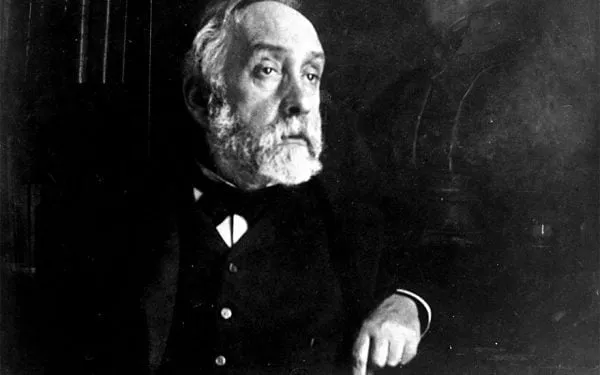
Degas painted his own family first. Hilaire de Gas is the portrait of his grandfather, Edmondo and Thérèse Morbilli a double portrait from the same family, and The Bellelli Family the largest of them. This work is catalogued in the Degas catalogue raisonné as MS 718, and how Degas saw himself in those years is shown by the Self-Portrait at the Art Institute of Chicago.
How is our hand-painted version made?
With a brush and oil colours, not a printer, and here the technique of the original is the same as ours: oil on canvas. Every one of our canvases is made layer after layer, and in this motif the relation between the black and the red is the hardest part. The uniform must not become a hole: folds and transitions have to stay visible inside it, or the figure loses its body. We reach that by building the dark blue in several thin layers over a warm ground. The other demanding part is the gold: braid and buttons are painted with sparing, exact touches rather than with a shining colour — laid on too heavily, the uniform glitters like a costume. We paint the face last. Every reproduction is made afresh and no two copies are ever quite the same, because the hand does not repeat the same stroke twice; every hand-painted copy is therefore its own. For this work we have no photographs of our finished canvases, so we show and describe none here. The photograph of your canvas reaches you before dispatch.
Which size for which wall?
If you do not know which: 50 x 70 cm. The original measures 64 x 51 cm; our 50 x 70 cm size comes nearest to it in size, while in proportion the nearest is 80 x 110 cm, because our sizes run narrower and taller than the original. The 30 x 45 and 40 x 60 cm sizes are for a narrow space or the wall beside a door. The 50 x 70 and 57 x 82 cm sizes are the most frequent choice above a chest of drawers. The 70 x 100 and 80 x 110 cm sizes are for a larger wall, where the figure holds up from a distance. The 90 x 130 cm size is for a tall room, and at 100 x 140 cm we are at the sizes where a large painting really breathes and the boy stands close to life size. Measure your chosen size on the wall with a paper cut-out first; with an upright format the mistake is usually made in the height. None of the sizes is held in stock as a finished item: every copy is made to order and stays a single piece.
Custom size, stretcher bar and frame
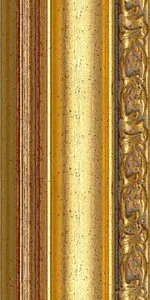
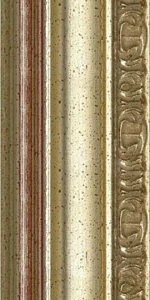
If none of the eight sizes suits you, or if you want the original’s proportion, we paint to your measurements and keep the proportions of the scene, so that the cap above stays whole and the hand on the chair back is not cut off; that is our painting made to order. Every copy is delivered stretched on a wooden bar, ready to hang. For the frame, use our 3D application: on this motif it shows every moulding profile we carry, so you can compare gold, silver, black, white and natural wood – it is for choosing a frame and nothing else. If you want to see how the work looks on your own wall, that is our separate room-placement service.
Delivery and guarantee
Every copy is made to order in our studio in Slovenia, so allow 15 to 45 days depending on the size you choose; for the largest sizes the time is usually at the upper end. We send it stretched and protected for transport, framed if you chose a frame, to sixteen countries in the European Union, without customs duties. You receive a photograph of the finished work for approval before dispatch, and our returns policy applies to every order. The whole range is in the Edgar Degas gallery, and the painter’s life is described in our article about Edgar Degas.
Frequently asked questions
Who is the sitter?
Achille De Gas, who carries the painter’s family name. The work was later owned by René de Gas, the painter’s brother.
What uniform is this?
A naval one. The catalogue of works titles it “Achille de Gas as midshipman”, and the cap carries a gold anchor.
Why does he not look at us?
He has turned his head slightly and looks past us. The scene is therefore not a pose but an observation.
What is in the background?
A plain red-brown wall, with the vertical edge of panelling at the left and the low line of a skirting at the lower right. Nothing else.
Where is the original located?
In the National Gallery of Art in Washington, under the accession number 1963.10.123.
How large is the original?
64 by 51 cm. Our 50 x 70 cm size comes nearest to it in size.
Why is the year given as “circa”?
Because that is how the catalogue of works gives it: circa 1857. Where the year is not exactly settled, we do not settle it either.
Are your sizes in the same proportion as the original?
No – ours run narrower and taller. In proportion the nearest is 80 x 110 cm; if you want the original’s proportion, we paint it to your measurements.
Is this a print?
No. The work is painted by hand in oil colours; the brushstrokes are visible and can be felt.
Can I have a size that is not listed?
Yes, we paint to measure and keep the proportions of the scene while doing it.
Is it suitable as a gift?
Yes, especially for someone connected with the sea or with the navy. Because every copy is made to order, allow for the making time; if you would rather leave the choice to them, there is our gift voucher.
- Subject: a very young naval cadet in a dark blue uniform with gold braid and belt, against a plain red-brown wall, looking past us
- Original: Edgar Degas, an oil painting on canvas, 64 x 51 cm, National Gallery of Art in Washington (1963.10.123)
- Ours: hand-painted in oil, eight sizes from 30 x 45 to 100 x 140 cm, stretched and framed on request
- Worth knowing: the uniform is painted more exactly than the boy – every button and braid worked through, while the face is still smooth and unfinished