



Description
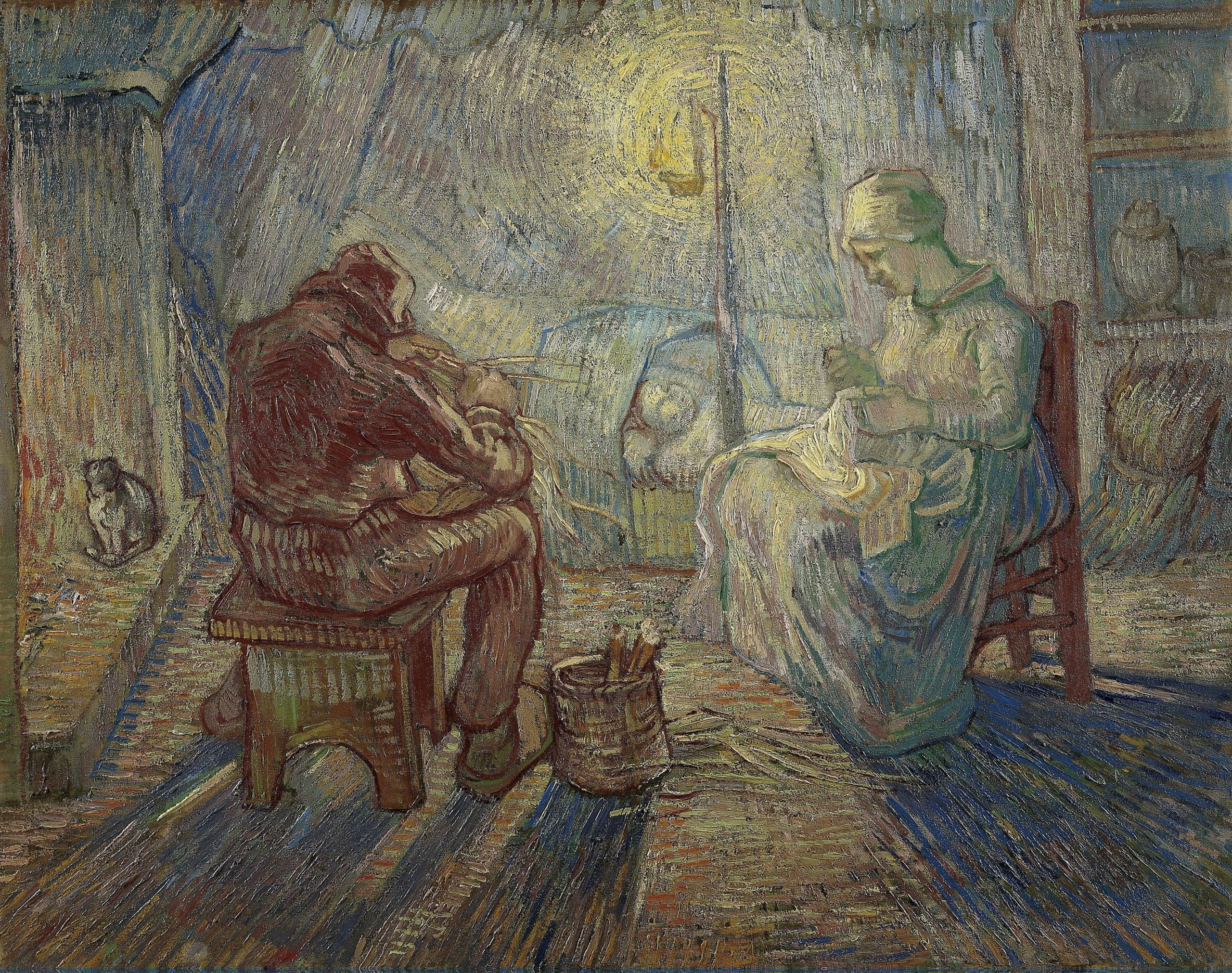
The Night (after Millet) is the painting Vincent van Gogh made in Saint-Rémy-de-Provence in the autumn of 1889 after a work by Jean-François Millet: a peasant family sits in its cottage in the evening under a hanging oil lamp, the man bent over his work on a low stool, the woman sewing on a chair, their child asleep in a cradle between them. The original, oil on canvas, measures 74.2 x 93 cm and is in the Van Gogh Museum in Amsterdam. We paint it by hand in oil on canvas, in 17 sizes from 50 x 40 to 190 x 151 cm or to your own measurements, and send you a photograph of the finished painting for approval before dispatch.
| Title: | The Night (after Millet) |
| Other titles: | Evening (after Millet) · Evening Hours (after Millet) |
| Painter: | Vincent van Gogh (1853–1890) |
| Year painted: | October–November 1889, Saint-Rémy-de-Provence |
| Original size: | 74.2 cm x 93 cm |
| Original technique: | Oil on canvas |
| Painting style: | Post-Impressionism |
| Located at: | Van Gogh Museum, Amsterdam (accession no. s0174V1962) |
| Our reproduction: | Hand-painted oil on canvas, 17 sizes or made to measure |
The Night (after Millet) – Vincent van Gogh
What does The Night (after Millet) show?
The scene is the inside of a small cottage in the evening. High in the middle hangs an oil lamp, its light spreading in yellow rings across the wall. On the left a man in brown work clothes sits on a low wooden stool, his back half turned to us, bent over the wicker basket he is making. On the right a woman sits on a red-brown wooden chair, her head lowered over the white cloth in her lap: she is mending clothes.
Between them, a little further back, stands a hooded cradle with a sleeping child. A round basket sits on the floor by the man’s feet, and on the far left a small cat sits near the fireplace. Shelves with dishes run along the right wall. The floor is painted in long strokes of blue, violet and ochre, crossed by the long shadows of the stool and the figures.
Why did Van Gogh paint it after Millet?
Because he greatly admired Jean-François Millet, the French painter of peasant life. According to the Van Gogh Museum, during his stay in the psychiatric hospital in Saint-Rémy Theo sent him a series of prints after paintings by Millet, and Van Gogh used one of them as his model. The English Wikipedia article on Van Gogh’s copies places that print in Millet’s series of the four times of day.
Millet’s sheet was black and white, so the colours are Van Gogh’s own. The museum says he ‘translated’ the print into a painting in colour, using gentle purple and violet tones to capture the calm of the evening. He described the method himself: ‘not copying pure and simple, but rather translating into another language, the one of colours, the impressions of chiaroscuro and of white and black’.
What does the painting mean?
The museum sums up the mood in one line: the canvas radiates a quiet serenity. It is evening, yet the hands are still busy, and the lamp gathers father, mother and child into one circle of light. Wikipedia reads it as the happy life of a rural family and notes that the scene seems bathed in yellow light like that of the Holy Family.
Theo wrote to him that the copies after Millet were perhaps the best things he had done yet.
Where is the original today?
The original is in the Van Gogh Museum in Amsterdam and belongs to the Vincent van Gogh Foundation. The museum lists it as Evening (after Millet), Saint-Rémy-de-Provence, October–November 1889, oil on canvas, 74.2 x 93 cm, under the object number s0174V1962.
At the beginning of January 1890 Van Gogh sent it from Saint-Rémy to his brother Theo in Paris. After Theo died on 25 January 1891, it passed to his widow, Jo van Gogh-Bonger, and their son, Vincent Willem van Gogh, who transferred it to the Vincent van Gogh Foundation on 10 July 1962.
The Night (after Millet) or another Van Gogh – which should you choose?
Two paintings in our range belong to the same Saint-Rémy group of copies after Millet. The Siesta, painted at Saint-Rémy in 1890, shows a man and a woman resting in the hay at noon; Wikipedia notes that Van Gogh stays true to Millet’s composition while using colour to show the peace of the midday rest. First Steps, from January 1890, shows a father kneeling in a garden with open arms while the mother holds up their child.
The Sower, painted in Arles in 1888, takes another of Millet’s subjects outdoors: a man sowing a field. The Starry Night, painted at Saint-Rémy in June 1889, shows the night outside, a sky of swirling stars over a village. Choose The Night for a quiet family scene indoors in greens and violets, The Siesta for warm yellows, First Steps for a garden in daylight and The Starry Night for deep blue.
How is our hand-painted version of The Night (after Millet) made?
The painter first draws the two figures, the stool, the chair, the cradle and the lamp. Then come the walls, the floor with its long shadows and the clothes, and last the rings of lamplight, the faces and the hands. Our oil painting reproduction is painted by hand on canvas, with real impasto: the paint goes on thickly, so the brushstrokes stand up from the canvas as they do in the original and catch the light.
On this painting the relief shows most in the rings of light around the lamp, in the long strokes of the floor and in the folds of the woman’s skirt. A print is completely flat; on our painting every brushstroke stands out in real paint.
Every painting is a hand-painted copy made for your order, so no two are quite the same.
Which size for which wall?
Short answer: 60 x 50 or 70 x 55 cm for a bedroom or a hallway, 92 x 73 or 100 x 80 cm above a sideboard or a bed, and 130 x 102 or 150 x 120 cm above a sofa or on a large wall.
There are 17 sizes: 50 x 40, 60 x 50, 70 x 55, 80 x 60, 85 x 67, 92 x 73, 100 x 80, 105 x 85, 110 x 90, 120 x 100, 130 x 102, 140 x 105, 150 x 120, 160 x 127, 170 x 134, 180 x 142 and 190 x 151 cm (width x height). The original is 93 cm wide and 74.2 cm high, so our 92 x 73 cm size comes closest to it, and 50 x 40, 100 x 80 and 150 x 120 cm keep its proportions almost exactly. The greens and violets look best on a white or cream wall. A painting for the living room should cover about two thirds of the width of the furniture below it.
Hang it with the centre about 150 cm above the floor, leaving 20 to 30 cm between the top of the furniture and the bottom of the canvas.
What if I need a custom size or a frame?
If none of the 17 sizes fits your wall, we paint it to measure. Send us the width and height you want and we will quote you a price and a delivery time. Every painting we make is mounted on a wooden stretcher, ready to hang.
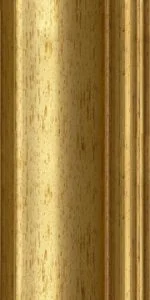
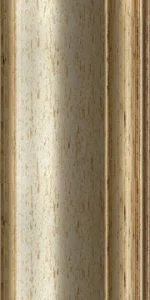
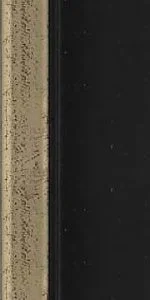
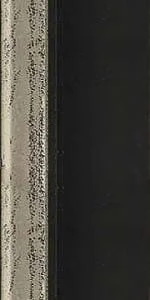
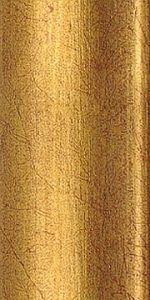
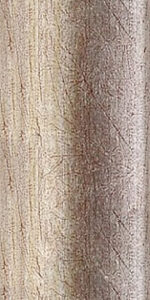
Our 3D app shows each of our frame profiles on this painting, so you can compare gold, silver, black, white and natural wood. The app is for choosing the frame only. To see the painting on your own wall, use our separate room placement service. A gold frame picks up the yellow lamplight, while a dark wood frame suits the browns of the stool, the chair and the man’s clothes.
How does delivery work, and what is the guarantee?
Every painting is made to order in our studio in Slovenia, so allow 15 to 45 days depending on the size you choose. We ship it on its stretcher, carefully packed (and framed, if you chose a frame), across the EU with no customs duty. Before dispatch we send you a photograph of the finished painting to approve, and we correct anything that is not right. Our returns policy applies to every order.
You will find more of Van Gogh’s famous works among all our Vincent van Gogh paintings, and there is more about the painter in our article on Vincent van Gogh. If you are giving it as a present and are not sure of the size, a wall art voucher lets the recipient choose.
Frequently asked questions
Where is the original of The Night (after Millet) today?
In the Van Gogh Museum in Amsterdam; it belongs to the Vincent van Gogh Foundation. The museum lists it as Evening (after Millet), Saint-Rémy-de-Provence, October–November 1889, oil on canvas, 74.2 x 93 cm, with the object number s0174V1962. Van Gogh sent it to Theo in Paris at the beginning of January 1890, and it stayed with the Van Gogh family until it was transferred to the foundation in 1962.
When and where did Van Gogh paint The Night (after Millet)?
In October and November 1889, in Saint-Rémy-de-Provence in the south of France, while he was staying at the psychiatric hospital there. The Van Gogh Museum dates it to those two months. It belongs to the twenty-one paintings he made in Saint-Rémy after the work of Jean-François Millet, and he sent it to Theo at the beginning of January 1890.
Which Millet work is The Night (after Millet) based on?
On a black-and-white print. The Van Gogh Museum writes that Theo sent him a series of prints after paintings by Millet and that he used one of them as his model. Wikipedia places it in Millet’s series of the four times of day. The colours, the purple and violet tones and the brushwork are Van Gogh’s own.
Is The Night (after Millet) the same painting as Evening (after Millet)?
Yes. Evening (after Millet) is the title the Van Gogh Museum uses for this canvas, and Wikipedia lists it as Evening Hours. Night (after Millet) is another name under which the same painting is known, and we keep it in our title. Whatever the name, it is the canvas of 74.2 x 93 cm with the object number s0174V1962, painted in Saint-Rémy in 1889.
What does The Night (after Millet) mean?
It shows a quiet evening in a peasant home: in the museum’s words, the canvas radiates a quiet serenity. Wikipedia reads it as the happy life of a rural family and notes that the scene seems bathed in yellow light like that of the Holy Family. Van Gogh himself called such works a translation of Millet into another language, the one of colours.
How big is the original of The Night (after Millet)?
74.2 cm high and 93 cm wide, according to the Van Gogh Museum: a landscape format. Our 92 x 73 cm size is almost exactly the size of the original. If you want the scene larger, there are 17 sizes up to 190 x 151 cm, and we also paint custom sizes in the proportions your wall needs.
Does your Night (after Millet) have the raised brushstrokes of the original?
Yes. We paint it in impasto, building up each brushstroke in thick oil, so the surface is raised like Van Gogh’s original. You see this best in the rings of light around the lamp, in the long strokes of the floor and the shadows, and in the folds of the woman’s skirt, where the relief catches the light and changes as you walk past.
Is The Night (after Millet) a good gift?
It suits someone drawn to Van Gogh’s figure paintings, to Millet’s peasant scenes or simply to a calm evening mood, and its subject of a family at home makes it a fitting present for a new home or a family occasion. As a canvas painting in greens, violets and lamplight yellow it works in a dining room, a bedroom or a reading corner, and a voucher lets the recipient choose the size.
- Subject: a peasant family indoors in the evening under an oil lamp: the man working on a basket, the woman sewing, the child asleep in a cradle, a cat by the fireplace.
- Original: October–November 1889, Saint-Rémy-de-Provence, oil on canvas, 74.2 x 93 cm, Van Gogh Museum, Amsterdam.
- Ours: a Van Gogh reproduction painted by hand in oil on canvas, in 17 sizes from 50 x 40 to 190 x 151 cm or made to measure.
- Worth knowing: our 92 x 73 cm size is almost exactly the size of the original in Amsterdam.