





Description
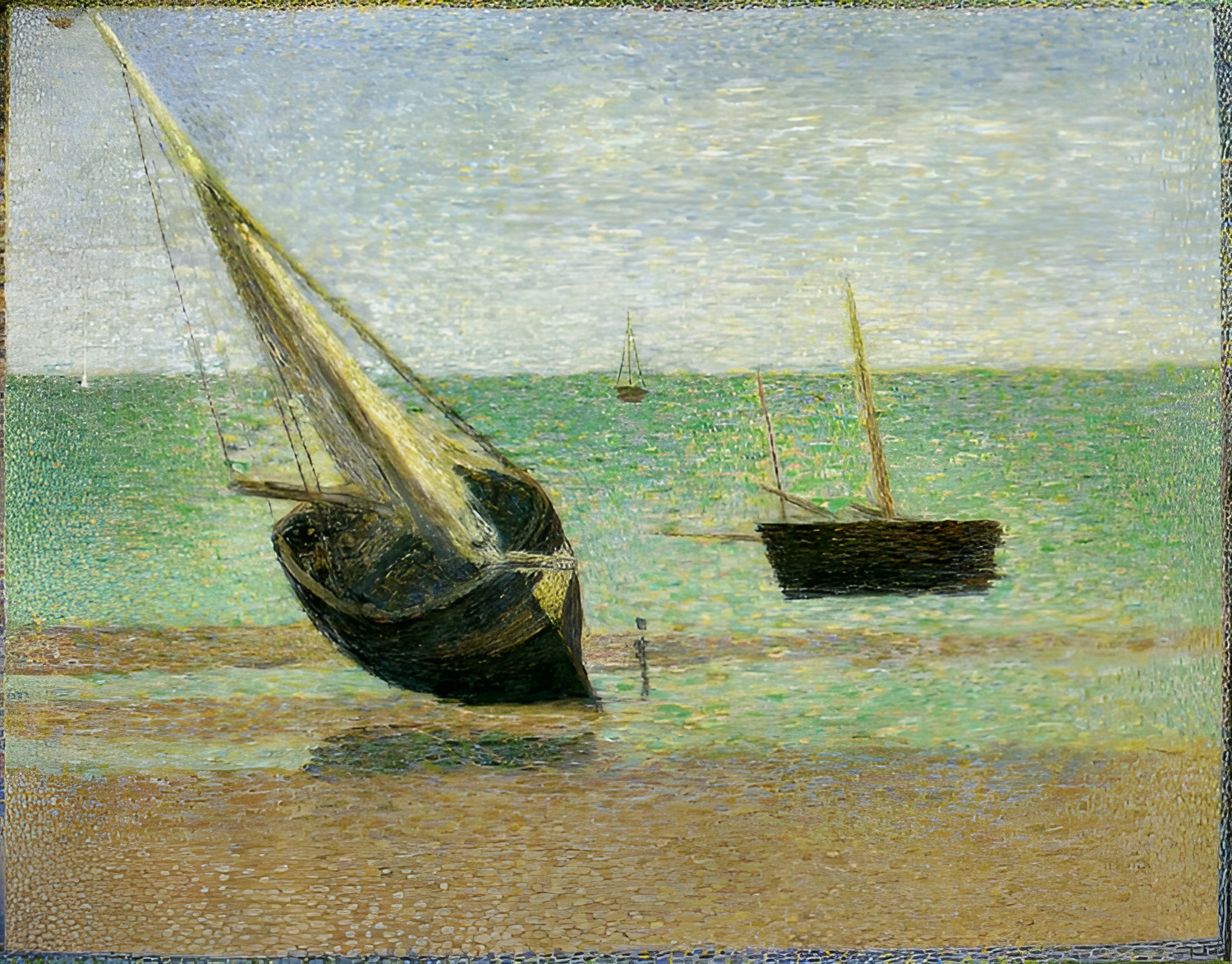
Boats, Low Tide, Grandcamp is a coastal scene from the Normandy shore: boats left on the wet sand as the tide goes out. Which of Seurat’s Grandcamp canvases this is has not been established – no public collection uses this title – so you will find no year, no size and no accession number here. From us it is painted entirely by hand, oil on canvas, in eight sizes or to your own measurements, and before dispatch you receive a photograph of the finished work for approval.
| Title: | Boats, Low Tide, Grandcamp |
| Painter: | Georges Seurat |
| Original technique: | not established – no institution says anything about this work |
| Our reproduction: | hand-painted oil on canvas, 8 sizes from 50 x 40 cm to 150 x 120 cm, custom size on request |
Boats, Low Tide, Grandcamp – Georges Seurat
What is in the painting?
Low water. The title describes the scene, and we go no further than the title, because no museum has described this canvas: boats left on the wet sand as the tide goes out, and the shore behind them. Grandcamp is a small fishing harbour on the Normandy coast, and Seurat spent the summers of his last years in places like it, coming back each year with a run of coastal canvases.
The scene is therefore what interested the painter on that coast: not an event but a state. The tide leaves sand, boats and water in three clear bands, and that ordering is what he was after at the sea – a subject already arranged, which does not need arranging.
Why is there no year, no size and no collection here?
What we deliberately do not state here: this work is not held by any public collection and none of them uses this title, so there is no published object record, no measured dimensions and no accession number. That is why you will not find a year of execution, a collection name or an accession number on this page. We say what can be checked against an institution, and nothing else.
This page used to look different. It carried a year, a size in centimetres and the name of a London gallery. That gallery was an art dealer, not a museum, and a dealer’s stock is not a collection: what passes through does not stay. So there is no published object record and no accession number to check, and all three entries have been removed.
What remains is ours and therefore reliable: our execution, our sizes, our process. About the original we say exactly as much as can be checked, and that is very little.
Which of Seurat’s Grandcamp paintings is this?
It cannot be established, and we checked rather than guessed. The Art Institute of Chicago holds thirteen works by Seurat and not one carries Grandcamp in its title. The Metropolitan Museum in New York holds twenty-five Seurat objects, and again none. The title we sell this work under is therefore the catalogue title of no public collection.
One Grandcamp canvas in public hands does exist: Le Bec du Hoc, Grandcamp, shown in London by the National Gallery on loan from Tate. And that comparison is exactly what shows why ours cannot be identified with it: that one is a headland, not boats, and the size does not agree – the museum gives 64.8 x 81.6 centimetres, which in our notation of width by height is 81.6 x 64.8, against the 80.3 x 64.4 stored here. Nearness is not identity, and we will not round it until it fits.
What does an untraceable original mean for you?
Three practical consequences. The first: there is no museum to go and see, and no high-resolution museum photograph anyone can open. The second: because nobody has published a measured size, we cannot promise a one-to-one match – our fourth size measures 80 x 64 cm and was in the range before, but we do not present it as the size of the original.
The third, and this one is in your favour: because the original is nowhere accessible, a hand-painted copy is the only way to have such a scene on a wall. We paint from the subject, not from a museum object, so the ratio of the sides and the size you choose matter more than a number nobody stands behind. Pointillism carries a small format as well as a large one, because the size of the dot adapts to the canvas.
Where does this work stand among Seurat’s paintings?
Among the coastal scenes, of which we sell several and most of which are well documented. Seascape at Port-en-Bessin comes from the same Normandy coast and is held in Washington; Evening, Honfleur is in New York. Against them stands The Seine at Courbevoie, which sits in our Seurat gallery with no institution just as this one does, and Sunday Afternoon on the Island of La Grande Jatte, his most famous painting.
The wider movement Seurat led is neo-impressionism, and its technique is the one everyone knows by name: colour laid down in small separate dots that mix not on the canvas but in the eye. That is why a fine art reproduction from this circle looks different under different light – it breaks into points of colour close up and reassembles from across the room. This French painter died before the idea had finished spreading.
How is our hand-painted version made?
By hand and with a brush, never with a printer. Our painter works in oils on a stretched canvas, and here the wet sand is the hardest part: it reflects the sky and has to be light and heavy at once, or the scene empties out. The boats must sit rather than float – you see it in how they meet their own shadow. Every copy is one of a kind; this is not a print but a painting made from scratch. Before dispatch we photograph it and send you the photograph for approval.
For this subject we currently have no studio photographs of our own of the finished work. When we next paint it, we will photograph it, and the photographs will appear on this page.
Which size for which wall?
If you do not know which: 100 x 80 cm. The format is landscape, which suits a coastal scene – the eye runs along the horizon rather than upward. A landscape work sits well over a sofa, a sideboard or a bed, where the wall is wider than it is tall.
We offer eight sizes, and with no measured size for the original we cannot call any of them the original one; choose the one that suits the wall. 50 x 40 and 60 x 50 cm for a smaller wall, a hallway or an office. 70 x 55 and 80 x 64 cm for a living room where the work is not alone. 90 x 70 and 100 x 80 cm stand on their own. 120 x 100 and 150 x 120 cm for large rooms, where the horizon gets its proper measure. Every canvas painting of this subject is made to order.
Custom size, stretcher and frame
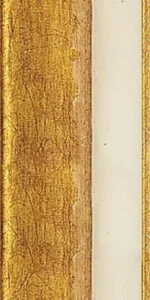
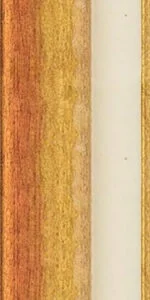
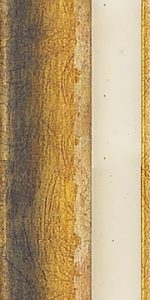
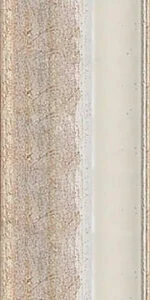
If none of the eight sizes fits your wall, we paint it to your measurements and keep the ratio of the subject, so the horizon is never stretched; that is our custom size painting. You can order the painting in three forms: as a rolled canvas without a stretcher, stretched on a wooden stretcher and ready to hang, or framed; you choose the form when you order. You choose the frame in our 3D frame viewer, which shows all our profiles side by side – gold, silver, black, white and natural wood. To see the work on your own wall, use our separate room-placement service.
Delivery and guarantee
Every copy is made to order in our studio in Slovenia, so allow 15 to 45 days depending on size. We ship it in the form you chose when ordering — rolled, stretched or framed — protected, across the EU, customs-free. Before dispatch you receive a photograph of the finished work for approval, and our returns policy applies. The full range by this painter is in the Georges Seurat gallery, and his coastal summers are in our article on Georges Seurat.
Frequently asked questions
Where is the original?
We do not know, and we do not guess. No public collection records this work. The name that used to stand here belonged to a London art dealer, not a museum.
Why is there no year on the page?
Because no institution publishes one. Until the work is traced to an object record, we write no year.
Why is the size of the original not given?
Because no public collection has measured the canvas. The dimensions circulating online have no institution behind them, and we would rather give none than a wrong one.
Is this really a Grandcamp painting by Seurat?
The subject and the title are Grandcamp, but no public collection uses the title, so we cannot say which of his Grandcamp canvases it shows. We checked at three institutions and write it down as we found it.
Which Grandcamp painting is in a museum, then?
Le Bec du Hoc, Grandcamp, shown in London by the National Gallery on loan from Tate. It is not ours: that one is a headland rather than boats, and the size does not agree.
Who was the painter?
Georges Seurat, who developed painting in small separate dots and died very young. His dates are absent because this page writes none without a verifiable object record.
Which size should I choose?
For a living room, 100 x 80 cm. The landscape format works well over a sofa or a sideboard; the full size guide is above.
Does any size match the original?
We cannot claim that. No institution has measured the original, so we mark none of our sizes as its size.
Can I have a size that is not on the list?
Yes. We paint to measure and keep the ratio of the sides.
Is this a print?
No. It is hand-painted in oils on canvas; the strokes can be seen and felt, which a print cannot imitate.
Is it suitable as a gift?
Yes. A coastal scene is quiet and suits almost any room. To leave the choice to the recipient, there is a gift voucher.
- Subject: boats left on the wet sand of the Normandy shore at Grandcamp as the tide goes out
- Original: untraced – no public collection uses this title, so there is no year, no size and no accession number
- Our version: a hand-painted oil painting reproduction on canvas, eight sizes from 50 x 40 to 150 x 120 cm
- Checked: thirteen Seurats in Chicago and twenty-five in New York, not one with Grandcamp in its title