




Description
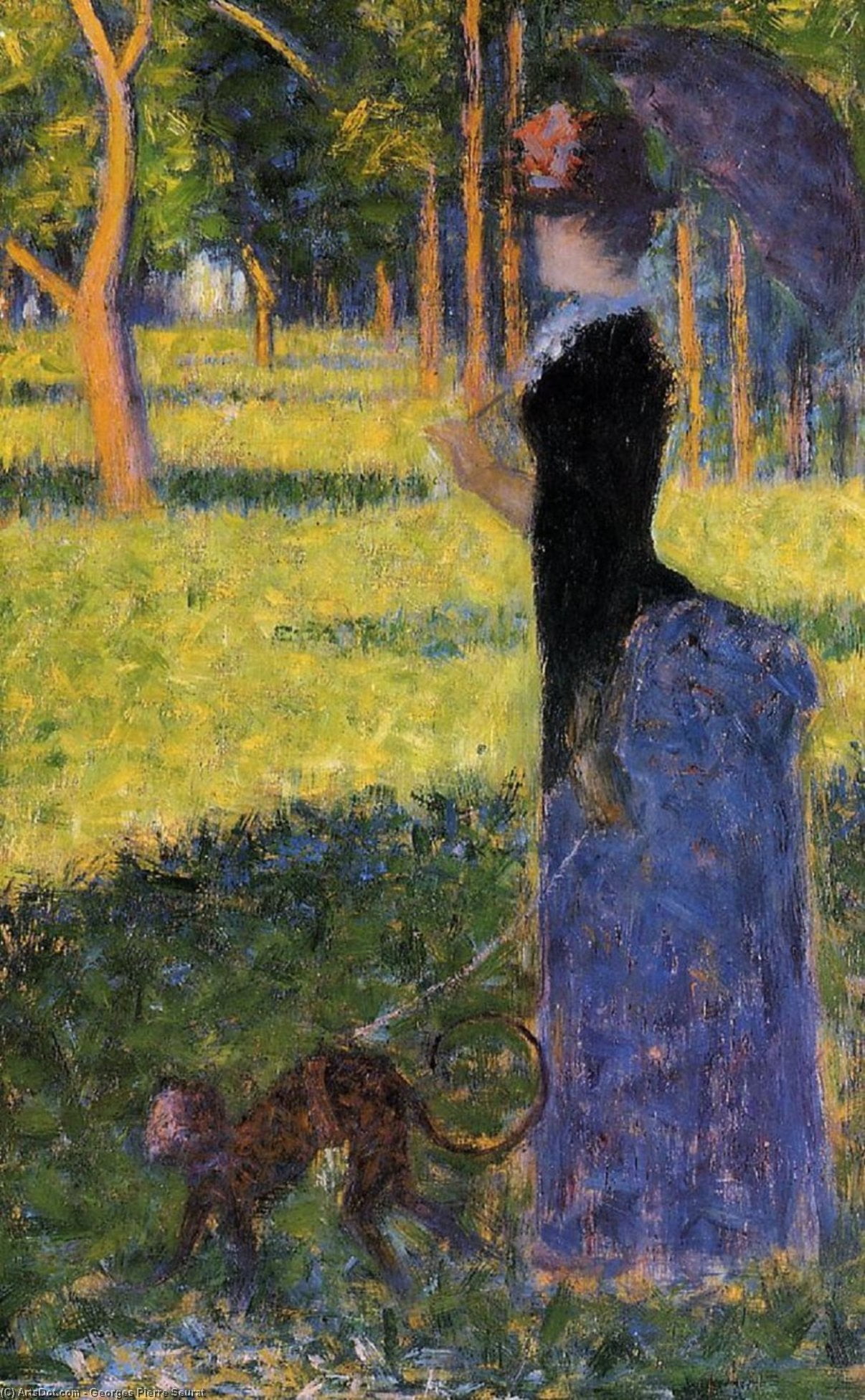
Lady with a Monkey is Seurat’s oil study on wood from 1884: a woman in a blue-violet dress stands in profile, her parasol over one shoulder, and beside her dress a small brown monkey walks on a lead. That same pair later stands at the right edge of Sunday Afternoon on the Island of La Grande Jatte. The original is held by the Smith College Museum of Art in Northampton under accession number SC 1934:2-1. We make it as a hand-painted canvas painting in oils, in eight sizes or to your own measurements, and you receive a photograph of the finished work for approval before dispatch.
| Title: | Lady with a Monkey |
| Other titles: | Woman with a Monkey · Femme au singe |
| Painter: | Georges Seurat (1859–1891) |
| Year painted: | 1884 |
| Original size: | 15.9 cm x 24.8 cm |
| Original technique: | Oil on wood |
| Painting style: | Not stated |
| Located at: | Smith College Museum of Art, Northampton (acc. no. SC 1934:2-1) |
| Our reproduction: | hand-painted in oil on linen, 8 sizes from 16 x 25 cm to 100 x 160 cm, custom sizes on request |
Lady with a Monkey – Georges Seurat
Who is in the painting?
A woman and a monkey, whom the catalogue does not name. The woman stands in profile facing right, in a long blue-violet dress with a dark bodice and a pronounced bustle; a closed parasol rests on her shoulder and a reddish ornament sits on her hat. At the lower left edge a small brown monkey walks with its long tail curled upward, on a thin lead the woman holds. Between the two lies only a few paces of sunlit grass. Who the woman was is not known; the painter drew people he saw in the park and wrote down no names. The monkey has no name either — in those Paris years it was a living fashion accessory rather than a pet in today’s sense, and that is exactly why it stands here so matter-of-factly.
What is on the panel?
An upright wooden panel barely the size of a hand. The background is a meadow in strong yellow-greens, crossed by tree shadows in cooler blue and violet. Thin trunks stand to the left and above, which the sun divides into a lit side and a shaded one. The figure takes the right half and reaches almost to the upper edge; the dress is painted in dense vertical strokes that make it heavy and quiet. The paint is not yet laid in fine dots but in short, crossing strokes that stay visible one by one.
Why does this study matter?
Because one of the most recognisable pairs in painting came out of it. The woman with the parasol and the monkey on a lead stands at the far right of Sunday Afternoon on the Island of La Grande Jatte, Seurat’s largest canvas; here we see her alone, without company, and without the dots that came only later. A French painter of method, Seurat built his large scenes this way: figure by figure, each on its own panel, on the spot. Pointillism was the last step and not the first; these studies show what came before it. A whole run of such panels and drawings was made for the large canvas; this is among those where a single figure is carried far enough to stand on its own.
What does the scene mean?
Sunday display. A monkey on a lead was a mark of luxury and eccentricity in the Paris of the 1880s, just as the parasol, the gloves and the bustle were; the woman does nothing in particular, she walks and lets herself be seen. That is exactly why the subject still reads: it is a small gesture of city life, not a story. At home it is upright and quiet, with a warm meadow that lets the figure come forward. Because the subject is narrow and tall, it takes a wall with little room to either side and asks for neither great distance nor strong light.
Where does this study sit in Seurat’s work?
Among the preparations for the largest canvas. Sunday Afternoon on the Island of La Grande Jatte, held by the Art Institute of Chicago, is what they lead to. We also sell Study for La Grande Jatte (London), Study for La Grande Jatte (right) and Study for A Sunday on La Grande Jatte, the last large colour study.
How is our hand-painted version made?
It is made with a brush and oil paint, never a printer. Our painter works from a high-resolution file and keeps exactly what this work is: short, crossing strokes and a visible direction of brush on the dress and in the grass. Fine dots would be wrong here, because the panel was made before the painter had worked them out, and they would turn it into a different work. Because everything is done by hand, no two canvases are ever quite alike and every hand-painted copy stays a one-off. We do not yet hold our own photographs of a finished canvas for this subject; the first time it is painted we will photograph it and the photographs will appear here.
Which size for which wall?
If you do not know which: 60 x 95 cm. The original measures 15.9 x 24.8 cm, so our smallest size, 16 x 25 cm, is effectively one to one with it. The format is upright, close to a 5 : 8 ratio, so it fits beside a door, between two windows, or in a narrow recess where a landscape shape has no room. 40 x 60 and 50 x 80 cm suit a hallway or bedroom; 60 x 95 and 70 x 110 cm are the everyday living-room sizes; 80 x 125, 90 x 140 and 100 x 160 cm are for tall walls and stairwells, where the figure reaches nearly life-size. Every oil painting reproduction of this subject is made to order.
Custom size, stretcher bar and frame
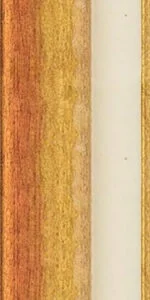
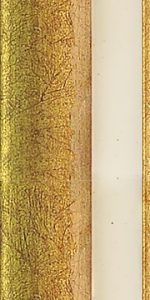
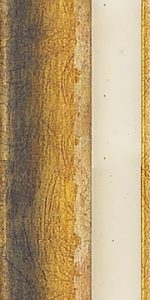
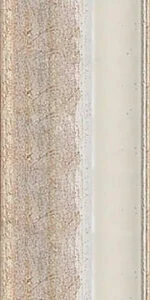
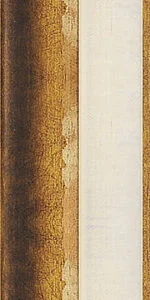
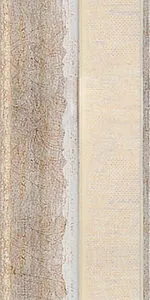
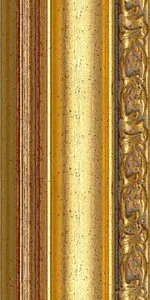
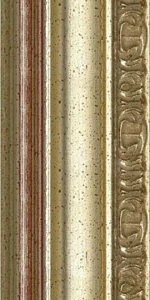
If none of the eight sizes fits your wall, we paint to your measurements and keep the ratio of the original so the figure does not become wider or shorter than she is; that is our custom size painting service. You can order the painting in three forms: as a rolled canvas without a stretcher, stretched on a wooden stretcher bar and ready to hang, or framed; you choose the form when you order. You choose the frame in our 3D frame viewer: on this subject it shows every profile we carry — gold, silver, black, white and natural wood — and it is for choosing a frame and nothing else. To see how the work looks on your own wall, use our separate room-visualisation service, ordered on its own.
Delivery and guarantee
Every copy is made to order in our Slovenian studio, so allow 15 to 45 days depending on the size. We ship it in the form you chose when ordering — rolled, stretched or framed — protected for transport, across the EU, customs-free. Before dispatch you approve a photograph of the finished work, and our returns policy applies to every order. The full range is in the Georges Seurat gallery, and his career and neo-impressionism are described in our article about Georges Seurat, which also explains what separates a good fine art reproduction from a poor one.
Frequently asked questions
Where is the original?
In the Smith College Museum of Art in Northampton, USA, under accession number SC 1934:2-1. The museum publishes no collection page we can read from here, so we do not link to one; Catherine Grenier’s catalogue Seurat: catalogue complet des peintures (Bordas, Paris) carries it as no. 140 and places it in this museum.
Is this woman really on the Grande Jatte?
The same figure with parasol and monkey stands at the far right of the large canvas. This panel is her study on its own.
Why are there no dots here?
Because the panel dates from 1884, before the painter had worked out his dotted method. Adding them would be correcting history.
Is this a print?
No. The work is painted by hand in oil on canvas; the brushwork is visible and can be felt.
Which size should I choose?
For a living room, 60 x 95 cm; for the size of the original, 16 x 25 cm. The full guide is above.
Can I have a size that is not listed?
Yes. We paint to measure, keeping the side ratio of the original.
Why is there a monkey?
A monkey on a lead was a luxurious, faintly eccentric companion in the Paris of the day, much like a parasol or a pair of gloves. What the painter meant by it, the catalogue does not say.
How big was the original panel?
15.9 x 24.8 cm — smaller than a sheet of A5 paper. Our smallest size matches it almost exactly.
Is the original for sale and what is it worth?
No. The panel is in the public collection of the Smith College Museum of Art and is not for sale; a hand-painted canvas from us is the only way to have it at home.
How high should I hang it?
Centre at eye level, about 145–150 cm from the floor. At the large upright sizes hang it lower, so the figure’s head does not leave your field of view.
Is it suitable as a gift?
Yes, especially in the smaller sizes; the subject is witty and quiet at the same time. If you would rather leave the choice to the person receiving it, there is our gift voucher.
- Subject: a woman with a parasol and a monkey on a lead in a sunlit meadow – 1884
- Original: 15.9 x 24.8 cm, oil on wood, Smith College Museum of Art (acc. no. SC 1934:2-1)
- Ours: a famous painting recreated by hand in oils, eight sizes from 16 x 25 to 100 x 160 cm, as a rolled canvas, stretched or framed — your choice
- Worth knowing: the same pair stands at the far right of Sunday Afternoon on the Island of La Grande Jatte