




Description
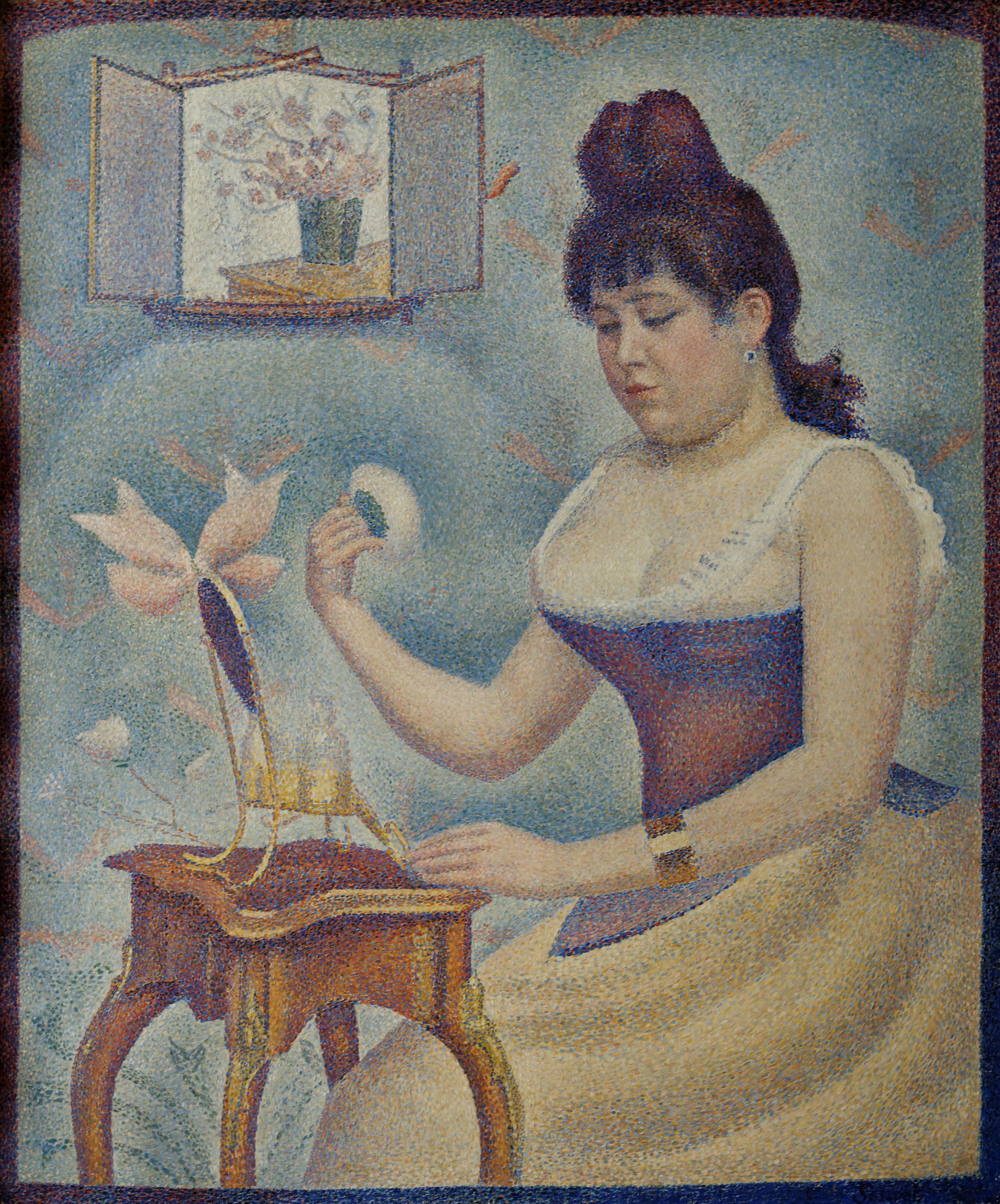
Young Woman Powdering Herself is the only major portrait Georges Seurat painted: his companion Madeleine Knobloch sits at a small table, raising the powder puff to her cheek. It was made around 1888–1890, measures 79.5 x 95.5 centimetres and is held in London by The Courtauld under inventory number P.1932.SC.396. From us it is painted entirely by hand, oil on canvas, in eight sizes or to your own measurements, and before dispatch you receive a photograph of the finished work for approval.
| Title: | Young Woman Powdering Herself |
| Other titles: | Jeune femme se poudrant · Young Woman Powdering Herself |
| Painter: | Georges Seurat (1859–1891) |
| Year painted: | circa 1888–1890 |
| Original size: | 79.5 cm x 95.5 cm |
| Original technique: | Oil on canvas |
| Painting style: | Pointillism |
| Located at: | The Courtauld, London (inv. no. P.1932.SC.396) |
| Our reproduction: | hand-painted oil on canvas, 8 sizes from 40 x 50 cm to 120 x 140 cm, custom size on request |
Young Woman Powdering Herself – Georges Seurat
Who is the woman?
Madeleine Knobloch, Seurat’s companion. The museum names her, and so do we: this is not an anonymous figure but the only person the painter portrayed at any scale. She sits at a small table, turned three-quarters towards us, raising the powder puff to her face. Seurat lived with her without telling his friends; the work was exhibited in 1890 and a year later the painter died at thirty-one. This French painter therefore left a single major portrait, and the woman in it is one his circle knew almost nothing about.
What is on the canvas?
The figure fills almost the whole height of the upright canvas. She sits at a thin-legged table, puff in hand, bottles and a powder box on the top. The ground is not a flat wall but a weave of violet, green and warm rose dots that never settles into a single surface. A framed picture of a vase of flowers hangs at the upper left. The museum describes Seurat’s method as a “skin” of coloured dots laid on the surface to animate the work and give it volume, and records that, following the then newly formulated optical theories, he set colours from opposite sides of the colour wheel — orange beside blue, pink beside green — next to each other for greater contrast.
Why does this painting matter?
Because it is Seurat’s only major portrait, and because in it the subject and the technique say the same thing. The museum record puts it plainly: the theme of nature and artifice, represented by the use of cosmetics, is echoed in the painter’s technique. She lays colour on her face; he lays colour on the canvas; both build an appearance out of tiny deposits. Pointillism here is not decoration but a claim about how an image comes into being. The work belongs to the painter’s last years, when he looked for subjects indoors and under artificial light rather than by the river.
What does the work mean?
Less reproach and more attention than a powdering scene usually invites. The nineteenth century liked to paint a woman at her toilette either as a seductress or as a lesson; neither is meant here. Madeleine is shown composed and unmocked, with the weight of a real body, in a room that does not pretend to be grand. The canvas painting that results is domestic in the literal sense: a scene from the flat two people shared. That is exactly why it reads as modern — closer to an everyday photograph than to an allegory.
What happened to the original?
The museum publishes the whole route, and it begins with the woman in the painting. The canvas belonged first to Madeleine Knobloch in Paris, then to Félix Fénéon, the critic who gave the movement its name, then to Dikran Khan Kélékian. At the Kélékian Sale at the American Art Association in New York on 31 January 1923 it went as lot 154; then Eugene O. M. Liston in New York, Percy Moore Turner in London, John Quinn in New York, Paul Rosenberg in Paris and the French Gallery in London. Samuel Courtauld bought it in 1926 and gave it in 1932. That ownership history is the museum’s; we add nothing to it.
Where does it sit in Seurat’s work?
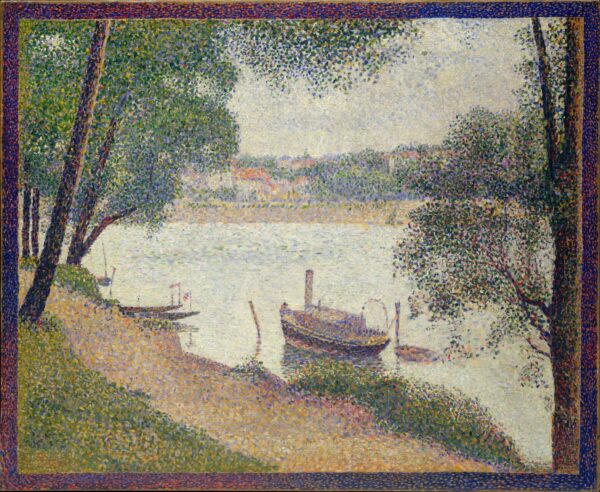
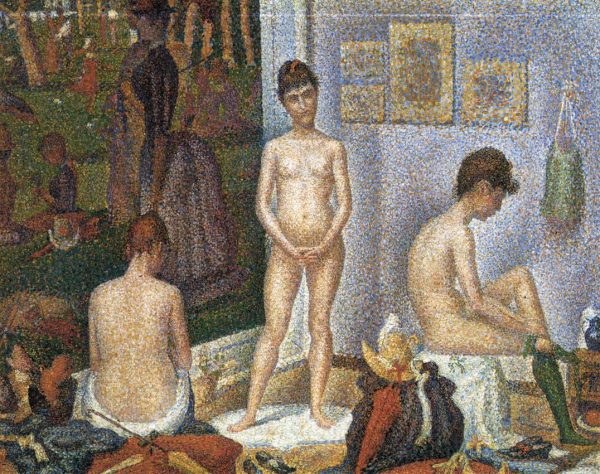
Among the last. Le Chahut is from the same years, also a scene under artificial light, and a few years earlier came The Models (Les Poseuses) and its preparatory Model Facing Front (Study for Models), where the painter treated the same body as a colour problem rather than a person. The opposite pole is Sunday Afternoon on the Island of La Grande Jatte, held by the Art Institute of Chicago: a crowd out of doors there, one person in a room here. The neo-impressionism is the same in both; the subject is the reverse.
How is our hand-painted version made?
By hand and with a brush, never with a printer. Our painter works in oil paint on linen and builds the surface the way it is built on the original: dot beside dot, the warm tones of skin against the cool dots of the ground, so the colour assembles only in the eye. On this subject the work is slow, because the face is small and must stay soft while the background stays open and restless. Every hand-painted copy is therefore one of a kind and no two are quite alike; this is not an oil painting reproduction printed onto canvas but a painting made from scratch. Before dispatch we photograph the piece and send you the photograph for approval.
We hold no studio photographs of the finished work for this subject at present. When it is next painted we will photograph it and the shots will appear on this page.
Which size for which wall?
If you do not know which: 70 x 85 cm. The original measures 79.5 x 95.5 cm, so our 80 x 96 cm is practically one to one with it — the only size at which the figure stands at the original’s own scale. The format is upright, close to a 5 : 6 ratio, so it sits well on a narrow wall or between two doors: 40 x 50 and 50 x 60 cm work beside a mirror or in a hallway, 60 x 70 and 70 x 85 cm are the everyday choice for a bedroom, 90 x 110 and 100 x 120 cm ask for a wall of their own, and 120 x 140 cm belongs in a large room where the figure becomes present like a guest. Every fine art reproduction of this subject is made to order.
Custom size, stretcher bar and frame
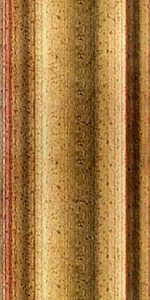
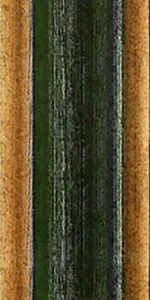
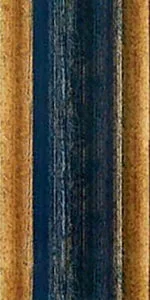
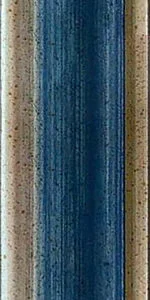
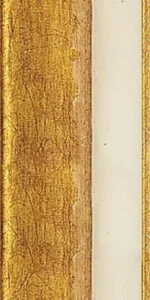
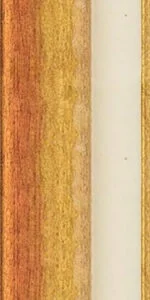
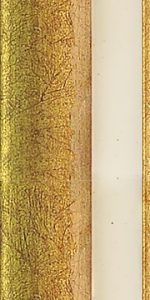
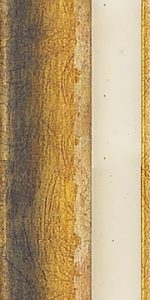
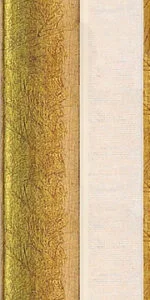
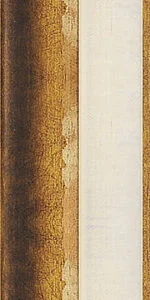
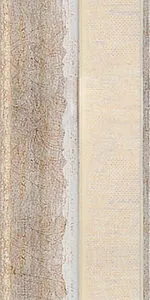
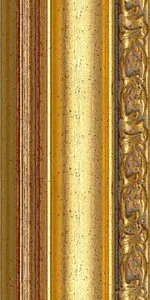
If none of the eight sizes fits your wall, we paint the work to your measurements and keep the ratio of the original so the figure is never stretched; that is our custom size painting service. You can order the painting in three forms: as a rolled canvas without a stretcher, stretched on a wooden stretcher bar and ready to hang, or framed; you choose the form when you order. You choose the frame in our 3D frame viewer: on this subject it shows every frame profile we carry, so you can compare gold, silver, black, white and natural wood — it is for choosing a frame and nothing else. To see how the work will look on your own wall, use our separate room-visualisation service, ordered on its own.
Delivery and guarantee
Every copy is made to order in our studio in Slovenia, so allow 15 to 45 days depending on the size you choose. We ship it in the form you chose when ordering — rolled, stretched or framed — protected for transport, across the EU, customs-free. Before dispatch you receive a photograph of the finished work for approval, and our returns policy applies to every order. The full range by this painter is in the Georges Seurat gallery, and his career is described in our article about Georges Seurat, which also explains what separates a good famous painting copy from a poor one.
Frequently asked questions
Where is the original?
In London, in the collection of The Courtauld (Samuel Courtauld Trust), under inventory number P.1932.SC.396. Samuel Courtauld bought it in 1926 and gave it in 1932.
Who is the woman in the painting?
Madeleine Knobloch, Seurat’s companion. The museum record names her; this is the only major portrait the painter made.
Is “Jeune femme se poudrant” the same work?
Yes. That is the French title of the same canvas; in English it appears as “Young Woman Powdering Herself”. It is one and the same work.
Is this a print?
No. The work is painted by hand in oil on linen; the strokes and dots are visible and can be felt, which a print cannot imitate.
Which size should I choose?
For a bedroom, 70 x 85 cm; if you want the size of the original, choose 80 x 96 cm. The full size guide is above.
Can I have a size that is not listed?
Yes. We paint to measure, keeping the side ratio of the original.
How is it delivered?
In the form you chose (rolled, stretched on a stretcher or framed), 15 to 45 days after you approve the photograph of the finished work.
What is the work about, in one sentence?
She lays colour on her face and he lays colour on the canvas: two versions of the same task.
What was under the vase of flowers?
The museum records that the frame above her head once held a mirror showing the reflection of Seurat at his easel. After being ridiculed by a friend, he replaced it with a vase of flowers, painting over his only known self-portrait.
Is the original for sale and what is it worth?
No. The canvas is in the public collection of The Courtauld and is not for sale; a hand-painted canvas is the only way to have the subject at home.
Is it suitable as a gift?
The smaller sizes are rewarding as a gift because they are quiet and fit almost any wall. If you would rather leave the choice to the person receiving it, there is a gift voucher.
- Subject: Madeleine Knobloch at her table, powder puff in hand – Seurat’s only major portrait
- Original: 79.5 x 95.5 cm, oil paint on canvas, The Courtauld, London (P.1932.SC.396)
- Ours: a hand-painted oil, eight sizes from 40 x 50 to 120 x 140 cm, as a rolled canvas, stretched or framed — your choice
- Worth knowing: the frame above her head once held a mirror with the painter reflected in it – he covered it with a vase of flowers