


Description
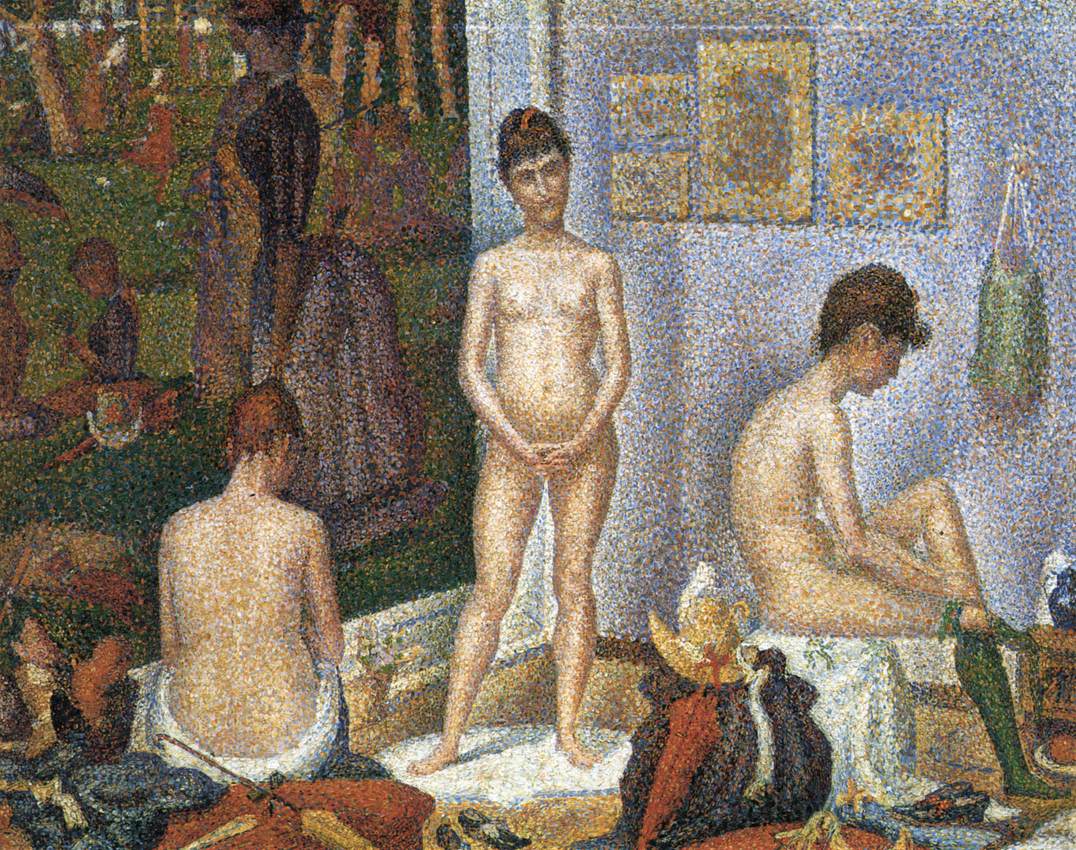
The Models (Les Poseuses) is Seurat’s large canvas of 1886–1888: three nude figures stand and sit in the painter’s studio, and on the left-hand wall hangs his own Sunday Afternoon on the Island of La Grande Jatte. The museum records that with this work the painter answered the critics who held his method too cold for a subject as noble as the nude. The original is held by the Barnes Foundation in Philadelphia under accession number BF811. We make it as a hand-painted canvas painting in oils, in eight sizes or to your own measurements, and you receive a photograph of the finished work for approval before dispatch.
| Title: | The Models (Les Poseuses) |
| Other titles: | Models (Poseuses) · Les Poseuses |
| Painter: | Georges Seurat (1859–1891) |
| Year painted: | 1886–1888 |
| Original size: | 249.9 cm x 200 cm |
| Original technique: | Oil on canvas |
| Painting style: | Pointillism |
| Located at: | Barnes Foundation, Philadelphia (acc. no. BF811) |
| Our reproduction: | hand-painted in oil on linen, 8 sizes from 70 x 55 cm to 246 x 197 cm, custom sizes on request |
The Models (Les Poseuses) – Georges Seurat
Who is in the painting?
Three nude figures in the studio, whom the museum record does not name. At the left a woman sits with her back to us, reddish-haired, a white cloth beneath her. In the middle a second stands facing the viewer, hands clasped low in front of her, dark hair pinned up. At the right the third sits in profile, pulling on a stocking. The museum says the painter shows the bodies life-size and from several angles at once; it does not claim that these are three different people, and neither do we.
What is on the canvas?
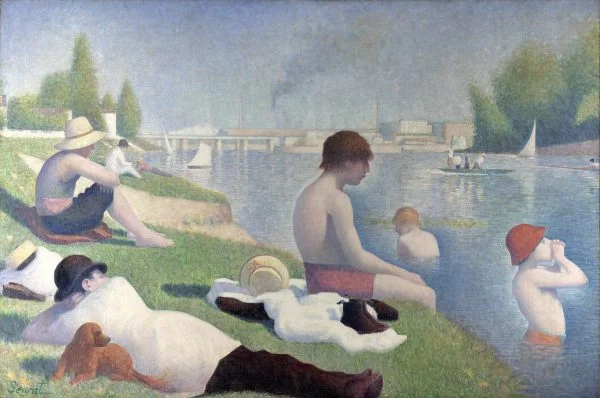
The painter’s studio, and in it his own work. The left third is taken by a piece of Sunday Afternoon on the Island of La Grande Jatte: green grass, the woman with the parasol, a seated man, and the water along the upper edge. To the right a pale blue-grey wall carries two framed sheets in yellowish tones, and a green parasol hangs at the right edge. Along the floor lies a heap of set-aside clothing: a red-orange skirt, a dark dress, a straw hat with an ochre brim, shoes and green stockings. All of it is built from tiny dots, including the narrow band along the edge of the canvas that the painter laid himself.
Why does this work matter?
Because it is an answer to a charge. The museum explains that critics held Seurat’s method too cold and too methodical, a style that could never be applied to a subject as noble as the nude. A French painter of method, Seurat answered with a whole canvas of nudes painted in exactly that method, and showed it for the first time in 1888 at the Salon des Indépendants in Paris. As his evidence he put his own earlier large work into the scene, so that the two stand side by side and can be compared. Pointillism here is no longer a proposal but a demonstration. Neo-impressionism thereby stepped onto ground that had been denied it — the large figure subject, painted until then with a smoothed surface and not with separate dots of pure colour.
What does the scene mean?
The passage between public and private. On the left is the Sunday, the clothes, the hats, the company; on the right the same people without any of it, in the room where the painting is done. The clothing on the floor is the link: exactly what everyone on the Grande Jatte is wearing. The scene is neither a stage nor a story but an observation of what is left of a person once the role is set down. At home it is a large, quiet work with warm light and three silent figures who do not address the viewer.
Where does this work sit in Seurat’s work?
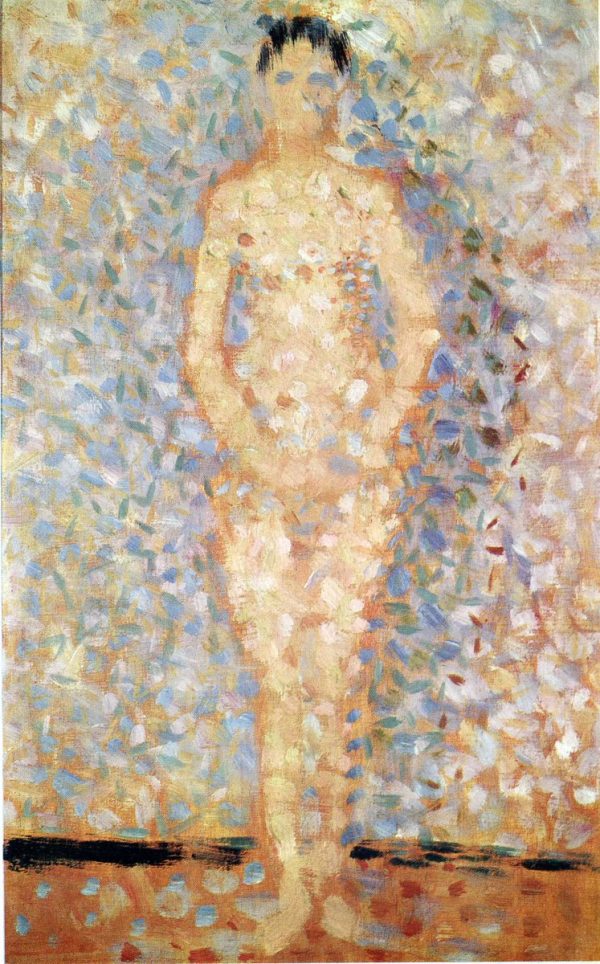
Directly after the largest canvas. Sunday Afternoon on the Island of La Grande Jatte, held by the Art Institute of Chicago, is painted here inside a new work. For the central figure there is a separate oil study, Model Facing Front (Study for Models), held by the Musée d’Orsay, which we also sell. Later came The Eiffel Tower and The Circus, the painter’s last, unfinished canvas.
How is our hand-painted version made?
It is made with a brush and oil paint, never a printer. On this subject the dotted method is the substance of the work: our painter sets dot after dot, because they are what build the bodies and the air around them, and because a smoothed skin would make a different work. We also keep the narrow band of dots along the edge of the canvas — that is not a frame but part of the work. Because everything is done by hand, no two canvases are ever quite alike and every hand-painted copy stays a one-off. We do not yet hold our own photographs of a finished canvas for this subject; the first time it is painted we will photograph it and the photographs will appear here.
Which size for which wall?
If you do not know which: 120 x 100 cm. The original measures 249.9 x 200 cm and our largest size, 246 x 197 cm, is effectively one to one with it — the figures are then as large as in life. The format is horizontal, close to a 5 : 4 ratio, and asks for a wide, unbroken wall. 70 x 55 and 100 x 80 cm suit smaller rooms and an office; 120 x 100 and 140 x 110 cm are the everyday sizes above a sofa; 160 x 130, 180 x 140 and 200 x 160 cm work in large living rooms, and 246 x 197 cm is the size for a gallery wall. Every oil painting reproduction of this subject is made to order.
Custom size, stretcher bar and frame
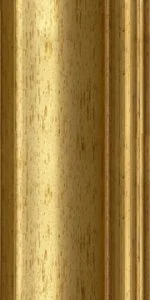
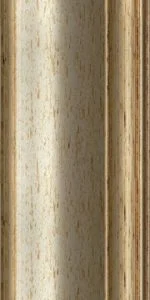
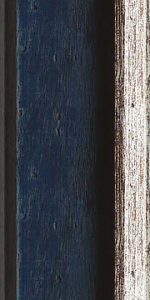
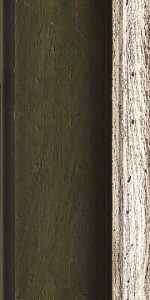
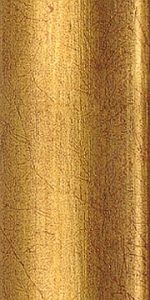
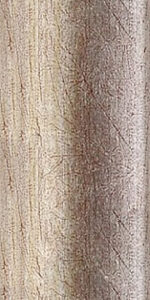
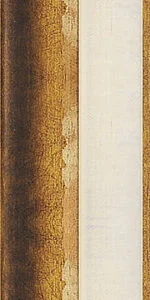
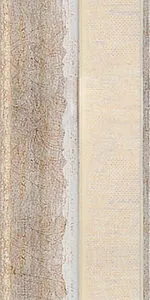
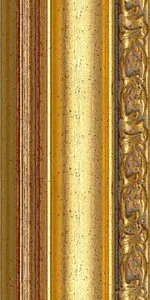
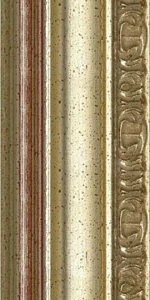
If none of the eight sizes fits your wall, we paint to your measurements and keep the ratio of the original so the balance between the studio and the work on its wall does not shift; that is our custom size painting service. You can order the painting in three forms: as a rolled canvas without a stretcher, stretched on a wooden stretcher bar and ready to hang, or framed; you choose the form when you order. You choose the frame in our 3D frame viewer: on this subject it shows every profile we carry — gold, silver, black, white and natural wood — and it is for choosing a frame and nothing else. To see how the work looks on your own wall, use our separate room-visualisation service, ordered on its own.
Delivery and guarantee
Every copy is made to order in our Slovenian studio, so allow 15 to 45 days depending on the size; the largest take longer. We ship it in the form you chose when ordering — rolled, stretched or framed — protected for transport, across the EU, customs-free. Before dispatch you approve a photograph of the finished work, and our returns policy applies to every order. The full range is in the Georges Seurat gallery, and his career is described in our article about Georges Seurat, which also explains what separates a good fine art reproduction from a poor one.
Frequently asked questions
Where is the original?
In the Barnes Foundation in Philadelphia, under accession number BF811. The museum shows it in the main room of the collection, on the west wall.
Which work hangs on the wall in the background?
Seurat’s own Sunday Afternoon on the Island of La Grande Jatte of 1884–1886, today in the Art Institute of Chicago. The museum says so expressly.
Are these three different women?
The museum record does not say. It states only that the bodies are shown life-size and from several angles, so we claim neither one nor the other.
Is this a print?
No. The work is painted by hand in oil on canvas; the dots are set one by one and can be felt.
Which size should I choose?
For the wall above a sofa, 120 x 100 cm; for the size of the original, 246 x 197 cm. The full guide is above.
Can I have a size that is not listed?
Yes. We paint to measure, keeping the side ratio of the original.
When was it first exhibited?
In 1888, at the fourth Salon des Indépendants in Paris, as number 613. That detail is the museum’s.
Why did the painter choose the nude?
Because he was told his method was too cold for such a subject. The museum reads the work as his answer to that criticism.
Is the original for sale and what is it worth?
No. The canvas is in the public collection of the Barnes Foundation and is not for sale; a hand-painted canvas from us is the only way to have it at home.
How high should I hang it?
Centre at eye level, about 145–150 cm from the floor. At the largest sizes hang it lower and allow a few metres to stand back.
Is it suitable as a gift?
The smaller sizes make a good gift, and the subject is intimate rather than provocative. If you would rather leave the choice to the person receiving it, there is our gift voucher.
- Subject: three nude figures in the studio in front of the painter’s own large canvas – 1886–1888
- Original: 249.9 x 200 cm, oil colour on canvas, Barnes Foundation, Philadelphia (acc. no. BF811)
- Ours: a famous painting recreated by hand in oils, eight sizes from 70 x 55 to 246 x 197 cm, as a rolled canvas, stretched or framed — your choice
- Worth knowing: our largest size is almost one to one with the original – the figures are then as large as in life